Introduction
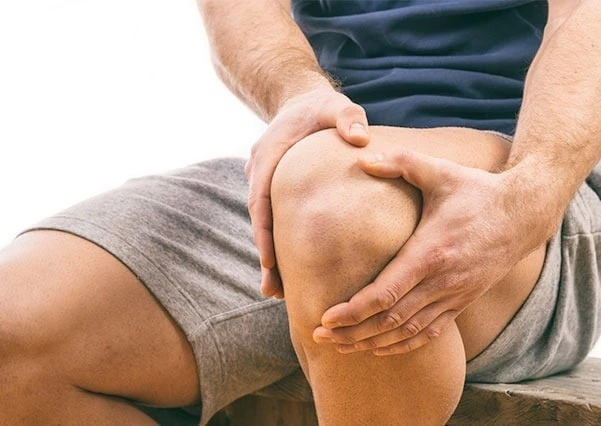
Joint pain is a common health issue affecting people of all ages. It can occur due to arthritis, injury, aging, or inflammation. Persistent joint pain can limit mobility and affect daily activities. While medical treatment is often necessary for severe cases, several natural remedies can help manage pain and improve flexibility. Here are the top 7 home remedies for joint pain relief
1. Turmeric with Milk
Turmeric contains curcumin, a powerful anti-inflammatory compound that helps reduce swelling and stiffness. Drinking warm turmeric milk daily can ease pain and improve joint function naturally.
2. Ginger Tea
Ginger is well known for its anti-inflammatory and antioxidant properties. Drinking ginger tea or applying ginger oil directly to the affected joints can reduce discomfort and improve blood circulation.
3. Hot and Cold Compress
Alternating between hot and cold compresses can provide instant relief. A hot compress improves blood flow and relaxes muscles, while a cold compress reduces swelling and numbs sharp pain.
4. Epsom Salt Bath
Epsom salt is rich in magnesium, which helps relax muscles and joints. Soaking in warm water mixed with Epsom salt for 15–20 minutes can reduce stiffness and provide soothing relief.
5. Olive Oil Massage
Massaging joints with warm olive oil improves circulation, reduces stiffness, and strengthens the surrounding muscles. Regular massage can also enhance flexibility and mobility.
6. Fenugreek Seeds
Fenugreek is an age-old Ayurvedic remedy for joint pain. Soak fenugreek seeds overnight and consume them in the morning, or use fenugreek seed powder with warm water for effective relief.
7. Stay Active with Gentle Exercise
Mild exercises like yoga, stretching, or walking help keep joints flexible and prevent stiffness. Regular activity also strengthens muscles that support the joints, reducing long-term pain.
Conclusion
Joint pain can be managed effectively with simple home remedies. Natural solutions like turmeric, ginger, massages, and gentle exercises not only reduce pain but also promote long-term joint health. However, if pain persists or worsens, it’s important to consult a healthcare professional.