A well-organized workplace is easier to navigate, easier to manage, and more comfortable for the people who use it every day. Employees, visitors, service providers, and other guests may enter and leave throughout the day, while meetings, deliveries, and regular tasks continue in the background. Without simple processes, these activities can sometimes create unnecessary confusion.
Workplace organization does not have to involve complicated rules. In many cases, small improvements in everyday routines can make a meaningful difference. Here are five practical ways organizations can create a more structured and welcoming workplace.
1. Keep Everyday Procedures Simple
Clear procedures help people understand what they are expected to do. When instructions are complicated or inconsistent, employees may spend additional time trying to understand routine activities.
Simple procedures can cover areas such as:
- Workplace entry and exit
- Meeting arrangements
- Visitor reception
- Delivery handling
- Emergency communication
- Reporting workplace concerns
The purpose is not to create rules for every situation. Instead, organizations can focus on common activities and make their processes easy to understand.
2. Maintain Organized Information
Information is an important part of everyday workplace coordination. Records that are difficult to find or understand can slow down routine activities and create unnecessary communication between teams.
Organizations can improve information management by:
- Keeping records in clearly defined locations
- Updating information regularly
- Avoiding unnecessary duplication
- Using consistent formats
- Limiting access to information where appropriate
Well-organized information can help employees find what they need without spending excessive time searching through different records.
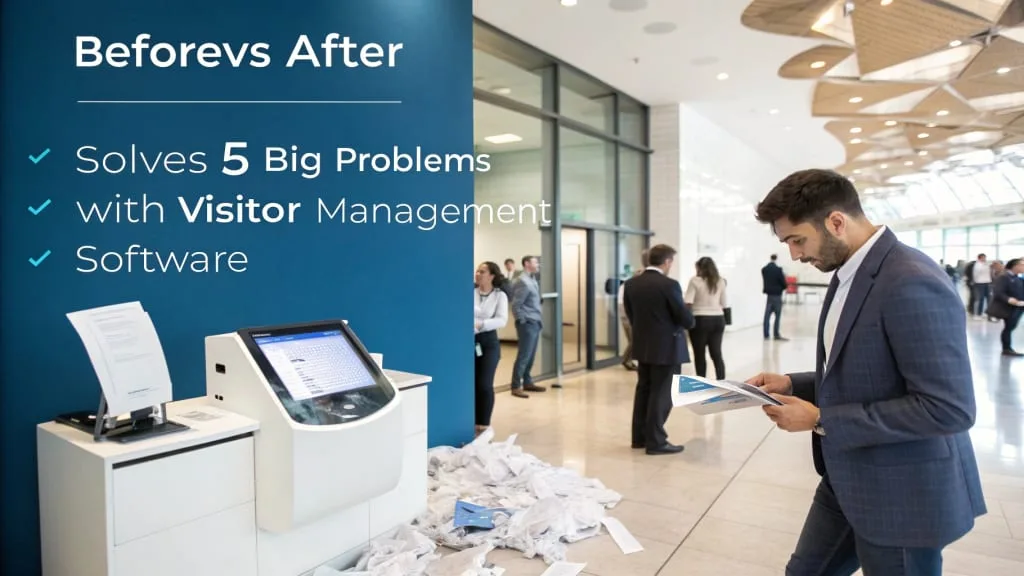
3. Create a Clear Visitor Process
Visitors can arrive at a workplace for many different reasons, including meetings, interviews, deliveries, maintenance activities, or scheduled appointments. A consistent arrival process can make their experience more straightforward while also helping employees manage their daily responsibilities.
A visitor management system can support an organized approach to visitor registration and help maintain relevant visit information.
However, good visitor handling is not only about recording information. The overall experience can also be improved through simple measures such as:
- Clear entrance signs
- Easy-to-follow instructions
- A suitable waiting area
- Helpful communication
- Clear directions to meeting areas
These details can make the workplace easier for visitors to navigate.
4. Encourage Clear Communication
Communication plays an important role in workplace organization. Employees should know where to find information and whom to contact when they have questions or encounter an unusual situation.
Good communication practices can include:
- Sharing important updates on time
- Keeping instructions easy to understand
- Defining responsibilities clearly
- Encouraging employees to raise concerns
- Reviewing communication methods regularly
Clear communication can reduce misunderstandings and help different teams coordinate their activities more effectively.
5. Review Workplace Practices Regularly
A workplace changes over time. Teams may grow, responsibilities may shift, and daily activities may become different from what they were previously. For this reason, organizations can benefit from periodically reviewing their existing processes.
A simple review can ask:
- Which processes are working well?
- Where do employees experience confusion?
- Are visitors receiving clear instructions?
- Is important information easy to access?
- Are there unnecessary steps that could be simplified?
Regular reviews do not have to result in major changes. Even small adjustments can make everyday activities more practical.
Creating a Better Everyday Environment
A well-organized workplace is built through consistent habits rather than a single major change. Simple procedures, organized information, clear communication, thoughtful visitor practices, and regular reviews can all contribute to a smoother environment.
The goal should be to create processes that people can understand and follow naturally. When everyday activities are structured without becoming unnecessarily complicated, employees can focus on their responsibilities while visitors can move through the workplace with greater confidence.
Ultimately, workplace organization is about making daily experiences more predictable, accessible, and comfortable. Small improvements maintained consistently can help create an environment that works better for everyone.