Phone calls drive more business than most people expect. A sales inquiry, a follow-up, a support call from someone on the fence before buying these conversations happen constantly, and losing visibility into them costs money.
The problem is that teams no longer sit behind a single office phone system. Sales reps call from smartphones. Many agents work from home. Managers run distributed teams across cities. Conversations happen everywhere, and without a system built for that reality, tracking performance and managing follow-ups becomes a mess.
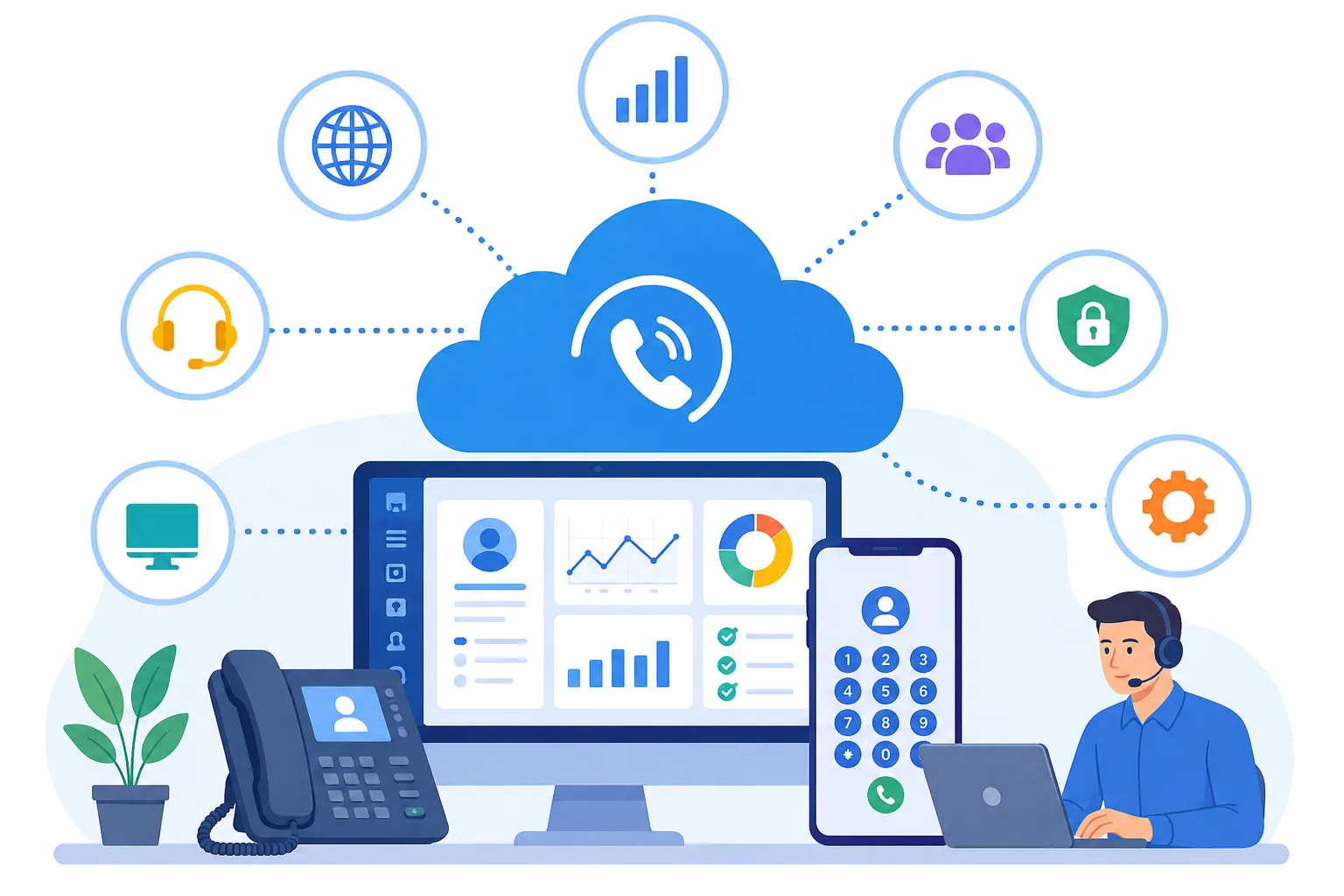
A cloud-based call management platform solves for this. It organizes communication, holds teams accountable, automates repetitive steps, and gives managers a clear view of what's actually happening on calls.
Below, we've reviewed ten platforms worth considering covering teams of different sizes, from field sales operations to large contact centers.
What Is a Cloud-Based Call Management Platform?
A Cloud-Based Call Management Platform is a system that helps businesses manage inbound and outbound calls through cloud infrastructure instead of traditional on-premise phone systems.
Most platforms include features such as:
- Call routing
- Call recording
- IVR systems
- Call monitoring
- Team performance tracking
- Analytics and reporting
- CRM integrations
- Call queues and distribution
- Mobile and remote access
Unlike traditional phone setups that require dedicated hardware, cloud-based platforms can be accessed from virtually anywhere. This flexibility makes them particularly useful for modern sales teams, customer support departments, remote workforces, and growing businesses.
How We Evaluated These Platforms
Not every call management platform is built for the same purpose.
Some focus heavily on contact center operations. Others prioritize sales productivity, mobile workforce visibility, or customer service automation.
For this review, we evaluated each platform based on:
- Call management capabilities
- Reporting and analytics
- Ease of deployment
- Integration ecosystem
- Mobile accessibility
- Scalability
- Team management features
- Suitability for different business types
Top 10 Cloud-Based Call Management Platform Providers in 2026
1. Callyzer
Best for: SMBs and enterprise teams that rely on mobile conversations to drive sales, support, marketing, and customer engagement.
One of the biggest challenges for businesses is that customer conversations no longer happen from a single office phone system. Calls are made from employee smartphones, field teams work on the move, and managers are often left without a clear view of who called whom, what was discussed, and whether follow-ups actually happened.
Callyzer is built to solve exactly that problem.
It gives businesses a centralized way to track, monitor, and analyze calling activity across distributed teams, turning everyday mobile calls into actionable business data.
Instead of relying on manual updates or fragmented call records, managers get a clear picture of team performance, customer engagement, and follow-up discipline in one place.
Callyzer is especially useful for businesses that depend on mobile calling as part of their daily workflow. As a call management solution, it helps businesses capture call activity from employee’s Android devices, organize that data automatically, and make it easier for managers to understand how teams are performing without interrupting their existing process.c
For companies where calls are happening outside a traditional desk phone setup, this kind of visibility can be difficult to achieve with standard communication tools.
The platform is also valuable because it connects calling activity to business outcomes. Teams can review call volumes, missed calls, response patterns, and follow-up behavior, while managers can identify which employees are consistently engaging prospects and customers and where gaps may exist.
That makes it easier to improve accountability, coach teams, and reduce the chances of important conversations slipping through the cracks.
Key Features
- Automatic call logging and call history
- Call recording synchronization
- Team-wise call analytics
- Real-time performance dashboards
- Employee activity and productivity tracking
- Missed call and unanswered call tracking
- Follow-up reminders and visibility
- CRM integration and lead Management
- Role-based reports and access control
What Stands Out
Callyzer is especially valuable for businesses where calling is a core part of daily operations but visibility is limited. Callyzer helps bridge that gap by bringing all calling activity into a centralized view.
Important Consideration
Organizations looking for a traditional enterprise contact center platform with advanced IVR ecosystems may need a more contact-center-focused solution.
2. CloudTalk
Best for: Customer support teams, sales teams, and cloud-based contact centers.
CloudTalk has built a strong reputation among businesses that need a flexible cloud calling environment with extensive automation and routing capabilities.
Key Features
- Smart call routing
- Interactive Voice Response (IVR)
- Skill-based routing
- Power Dialer
- Call monitoring
- Call recording
- Real-time analytics
- CRM integrations
- Workflow automation
- International calling support
What Stands Out
CloudTalk combines sales and support functionality in a platform that remains relatively easy to deploy compared to many enterprise-focused alternatives.
Important Consideration
Smaller businesses may not require the full range of advanced routing and contact center features available within the platform.
3. RingCentral
Best for: Businesses looking for unified communications beyond voice calls.
RingCentral is often selected by organizations that want voice, video, messaging, and collaboration tools under a single platform.
Key Features
- Cloud phone system
- Video meetings
- Team messaging
- Call routing
- Auto-attendant
- Call recording
- Analytics and reporting
- Mobile applications
- CRM integrations
- Unified communications tools
What Stands Out
RingCentral brings multiple communication channels together, reducing the need for separate software platforms.
Important Consideration
Companies seeking a specialized call management solution may find some of the broader collaboration features unnecessary.
4. Vonage
Best for: Businesses that need communication APIs alongside cloud calling capabilities.
Vonage combines business communication tools with developer-friendly customization options.
Key Features
- Voice calling
- Call routing
- Virtual receptionist
- Video meetings
- Team messaging
- Call recording
- Analytics
- Mobile applications
- API integrations
- CRM connectivity
What Stands Out
The platform offers flexibility for businesses that want to build customized communication workflows.
Important Consideration
Organizations with straightforward calling requirements may not fully utilize the platform's development-focused capabilities.
5. Freshdesk Contact Center
Best for: Teams that want their support operations and communication tools connected within a single Freshworks ecosystem.
Freshdesk Contact Center focuses heavily on customer service operations and support workflows.
Key Features
- Intelligent call routing
- IVR
- Call queues
- Call masking
- Call recording
- Agent performance tracking
- Real-time dashboards
- Omnichannel integrations
- Freshworks integrations
- Analytics and reporting
What Stands Out
The platform fits naturally into customer support environments where ticketing and customer service operations are closely connected.
Important Consideration
Businesses outside the customer service space may not benefit from its support-centric design.
6. 8x8
Best for: Organizations with global communication requirements.
8x8 serves businesses that need unified communications and contact center capabilities across multiple regions.
Key Features
- Voice calling
- Video conferencing
- Team messaging
- Contact center functionality
- Call recording
- Analytics
- Call routing
- Workforce engagement tools
- International coverage
- CRM integrations
What Stands Out
Its global reach makes it attractive for organizations operating across multiple countries.
Important Consideration
Smaller businesses may find some enterprise-oriented functionality more than they need.
7. Dialpad
Best for: Businesses interested in AI-powered communication tools.
Dialpad has gained attention for embedding artificial intelligence into everyday calling workflows.
Key Features
- AI-powered call transcription
- Real-time call summaries
- Voice intelligence
- Business phone system
- Call recording
- Call routing
- Analytics
- Video meetings
- Messaging
- CRM integrations
What Stands Out
Managers and sales leaders can quickly review conversations without listening to entire recordings.
Important Consideration
Businesses that primarily need straightforward call tracking may not place significant value on AI-focused features.
8. Talkdesk
Best for: Enterprise contact centers.
Talkdesk is designed for larger organizations managing complex customer support operations.
Key Features
- AI-powered customer service tools
- Omnichannel engagement
- Workforce management
- Call routing
- Quality management
- Call recording
- Customer journey analytics
- Automation tools
- Reporting dashboards
- Enterprise integrations
What Stands Out
Talkdesk offers extensive capabilities for managing large-scale customer service teams.
Important Consideration
Its feature depth can be excessive for small and mid-sized businesses.
9. JustCall
Best for: Sales and support teams that rely heavily on outbound calling.
JustCall combines calling, SMS, and customer communication tools in one platform.
Key Features
- Auto dialer
- SMS campaigns
- Call recording
- Call monitoring
- CRM integrations
- Sales analytics
- Workflow automation
- Call routing
- Shared phone numbers
- Team management tools
What Stands Out
The platform provides a balanced mix of sales engagement and customer communication functionality.
Important Consideration
Companies with highly complex contact center requirements may need more advanced routing capabilities.
10. CallHippo
Best for: Startups and growing businesses looking for a straightforward cloud calling platform.
CallHippo focuses on helping teams establish business communication systems quickly without significant complexity.
Key Features
- Virtual phone numbers
- Call forwarding
- IVR
- Power dialer
- Call recording
- Call analytics
- Team collaboration
- Call queues
- CRM integrations
- Global number support
What Stands Out
The platform is relatively easy to set up and suitable for businesses adopting cloud calling for the first time.
Important Consideration
Larger organizations may eventually require more advanced capabilities as operations scale.
Comparison Table
PlatformBest ForAnalyticsCall RecordingMobile SupportCloud DeploymentCallyzerMobile-first sales teamsAdvancedYesExcellentYesCloudTalkContact centers and support teamsAdvancedYesGoodYesRingCentralUnified communicationsAdvancedYesExcellentYesVonageFlexible communication workflowsAdvancedYesGoodYesFreshdesk Contact CenterCustomer support teamsAdvancedYesGoodYes8x8Global businessesAdvancedYesGoodYesDialpadAI-powered callingAdvancedYesExcellentYesTalkdeskEnterprise contact centersAdvancedYesGoodYesJustCallOutbound sales teamsAdvancedYesGoodYesCallHippoStartups and SMBsAdvancedYesGoodYes
How to Choose the Right Cloud-Based Call Management Platform
The best Cloud-Based Call Management Platform depends largely on how your team communicates with customers.
For businesses that rely on SIM-based calling, maintaining visibility across customer conversations can quickly become a challenge. Calls happen from multiple employee devices, teams work across locations, and managers often have limited insight into call activity, follow-ups, and overall performance. Callyzer is designed to solve this problem by providing a centralized view of business calls, helping organizations track communication, monitor team productivity, identify missed opportunities, and ensure important customer interactions don't slip through the cracks.
In case your company operates a customer support center, you are going to give more attention to IVR system, intelligent call routing, call queuing, and agent management tools provided by service providers like CloudTalk, Freshdesk Contact Center, and Talkdesk.
If your company needs a one-stop Call Management Platform providing voice, messaging, and collaboration capabilities, then RingCentral and 8x8 are more suitable choices.
As for companies interested in AI-driven communication workflows, Dialpad is worth considering.
The best call management platform is always the one that will suit your team's workflows, reporting requirements, and growth goals. Before making the final choice, make sure to understand how your team communicates with clients and identify what issues need to be addressed.
Final Thoughts
The cloud communication technology market keeps growing, allowing businesses more choice than ever. Now there is a cloud call management solution tailored specifically for every type of business, from contact center, enterprises to mobile-focused sales organizations.
It all comes down to finding a solution that meets your needs, and not just a platform with the most features.
If your priorities include customer service, sales effectiveness, managing a remote workforce, or making use of call data, the right call management platform will help you achieve your goal.