
Some days begin with a busy schedule, but the mind seems even more active than the body. You wake up thinking about pending work, unread messages, or small concerns that suddenly feel overwhelming. Even when the day slows down, your thoughts may continue to race, replaying situations again and again.
Many people experience this without realizing that these are early signs linked to deeper anxiety causes that develop gradually through daily habits and internal imbalances. Understanding these causes is important because most people focus only on temporary relief instead of addressing the root problem.
From an Ayurvedic perspective, anxiety is not just a mental condition—it is connected to lifestyle, digestion, and emotional patterns. By identifying the underlying imbalance, it becomes easier to manage anxiety naturally and effectively.
What Anxiety Really Feels Like
Anxiety doesn’t always appear in an extreme form. Often, it begins subtly. You may feel restless without any clear reason or notice your thoughts constantly shifting from one worry to another. Even in moments of rest, the mind may struggle to stay calm.
These early signs are often ignored as everyday stress, but they are actually signals from the body and mind. Difficulty concentrating, mild irritation, or a sense of uneasiness can all be early indicators linked to anxiety causes.
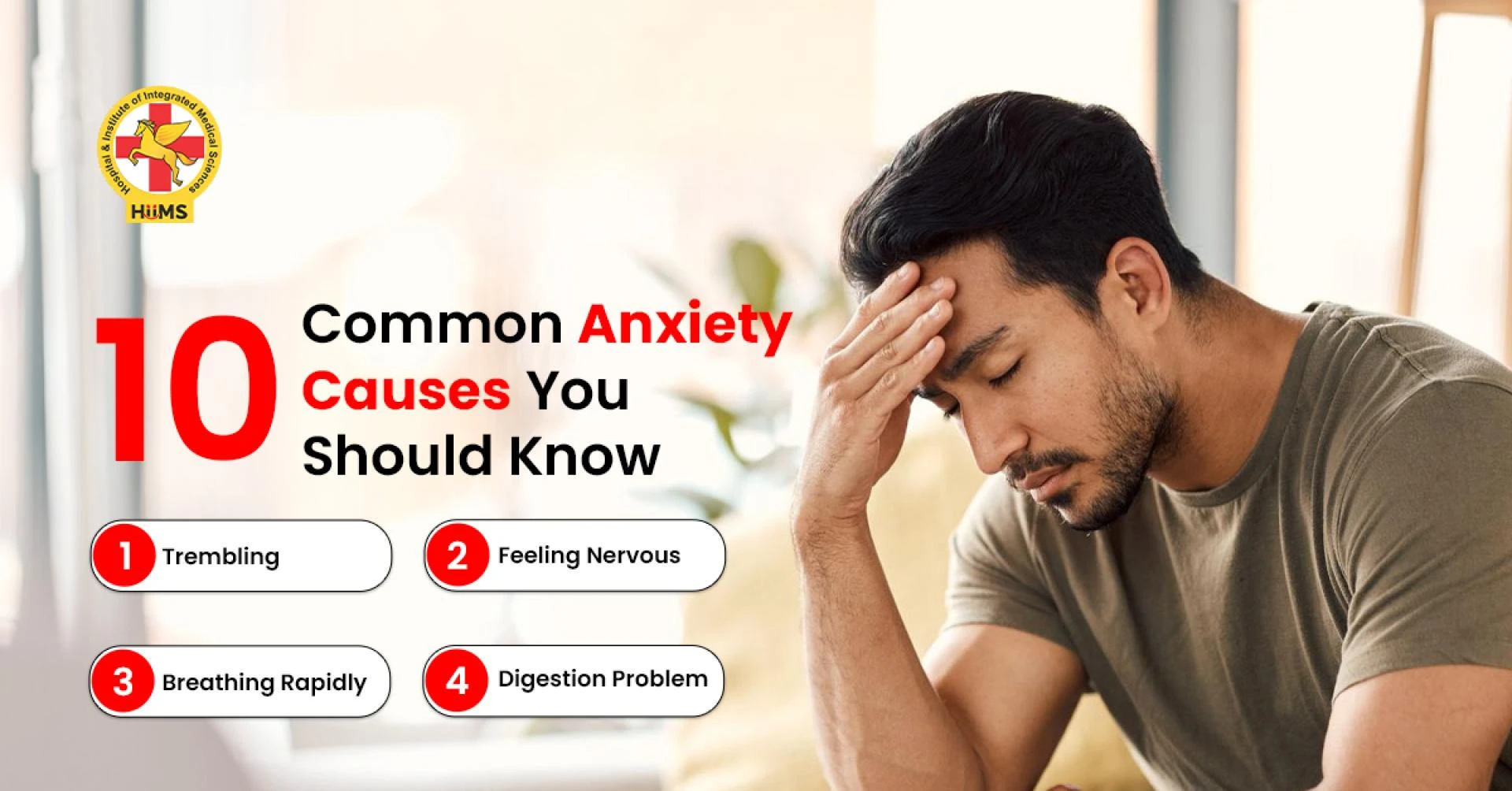
10 Common Anxiety Causes
1. Continuous Stress
Ongoing stress from work, responsibilities, or finances can keep the mind in a constant state of alertness, gradually leading to anxiety.
2. Poor Sleep Patterns
Lack of proper sleep prevents mental recovery, making even simple tasks feel exhausting and overwhelming.
3. Excessive Screen Time
Too much time on screens, especially at night, overstimulates the brain and disturbs natural sleep cycles.
4. Weak Digestion
According to Ayurveda, poor digestion affects both body and mind. Gut imbalance can directly impact emotional stability.
5. High Intake of Caffeine
Excess tea, coffee, or energy drinks can overstimulate the nervous system, creating restlessness and unease.
6. Lack of Physical Activity
A sedentary lifestyle prevents the release of stress, causing tension to build up within the body.
7. Hormonal Imbalances
Conditions like thyroid issues or PCOS can influence mood and contribute to anxiety.
8. Unresolved Past Experiences
Emotional stress or past experiences may continue to affect thoughts and reactions over time.
9. Overthinking
Constantly worrying about the future or dwelling on the past increases mental pressure and anxiety.
10. Loneliness
Lack of emotional connection can amplify negative thoughts and lead to inner imbalance.
Signs of an Anxiety Attack
When anxiety builds up, it may lead to sudden physical symptoms such as:
- Rapid heartbeat or chest discomfort
- Shortness of breath
- Sweaty or shaky hands
- Feeling light-headed or disconnected
Recognizing these signs early can help you manage anxiety before it becomes overwhelming.
Simple Ways to Manage Anxiety
Managing anxiety doesn’t always require complex steps. Small daily habits can make a big difference:
- Maintain a consistent sleep routine
- Reduce screen time, especially before bed
- Engage in light physical activity like walking
- Practice simple breathing exercises
- Take short breaks to relax your mind
These small changes, when followed regularly, support long-term mental balance.
When to Seek Help
If anxiety starts affecting your daily routine, sleep, focus, or relationships, it’s important to seek guidance. Early support can prevent the condition from becoming more severe.
Conclusion
Anxiety does not develop overnight. It builds slowly through patterns that often go unnoticed. By understanding these anxiety causes, you can begin to recognize what your mind and body are trying to communicate.
With awareness and small lifestyle adjustments, managing anxiety becomes more achievable. And when needed, guided care can help you move toward a calmer and more balanced life.