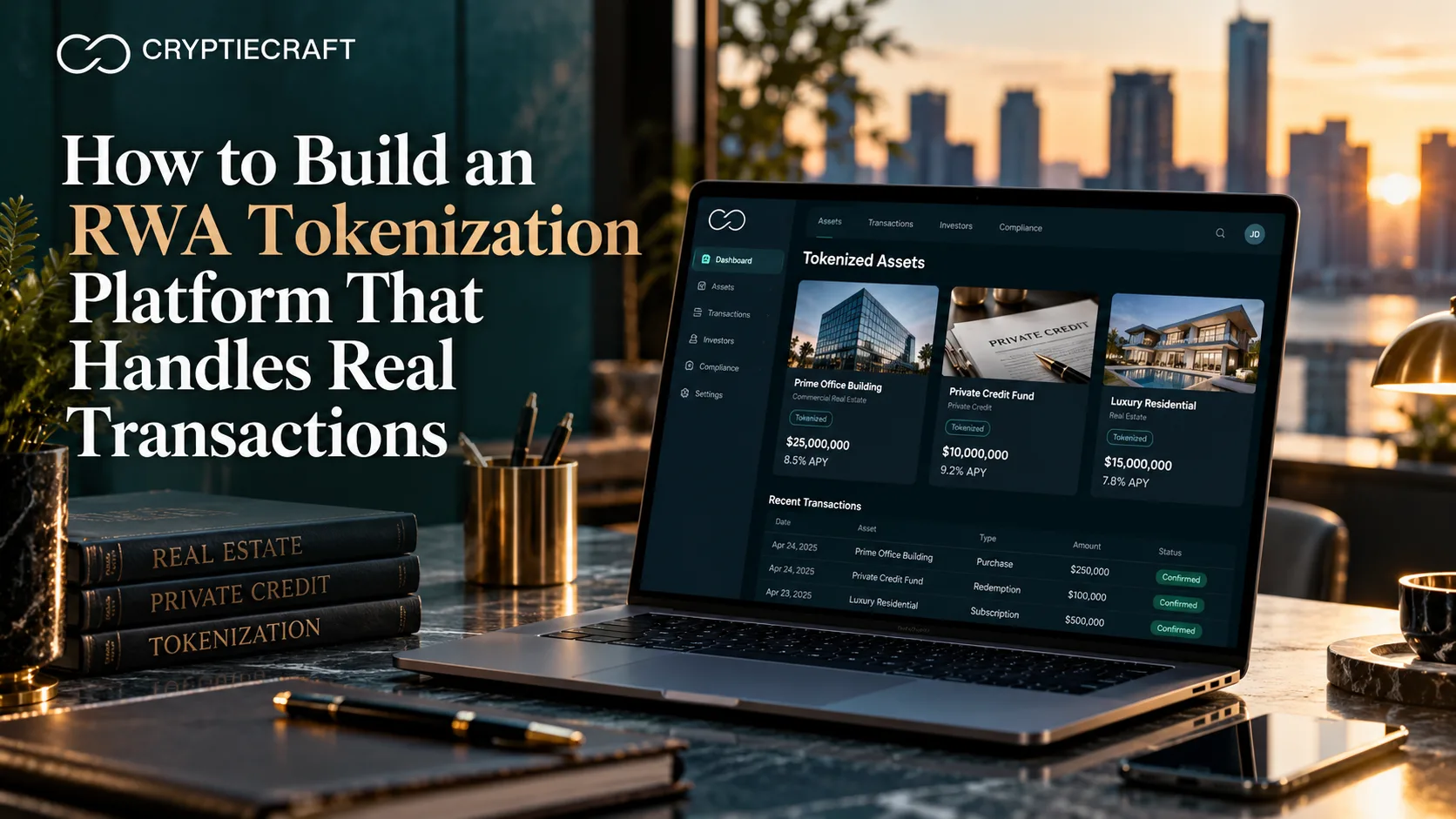
The real estate sector is undergoing a transformative shift driven by blockchain technology, with real estate tokenization emerging as a key innovation. By 2026, the adoption of real estate tokenization platforms is expected to reach unprecedented levels across global markets. This blog explores the top ten trends propelling this adoption, providing insights into how investors, developers, and enterprises are leveraging this technology for efficiency, transparency, and global market reach.
1. Growing Demand for Fractional Ownership in Real Estate
One of the main drivers behind the surge in real estate tokenization is the growing demand for fractional ownership. Traditional real estate investment often requires substantial capital, which limits participation to high-net-worth individuals. Real estate tokenization platforms allow properties to be divided into smaller digital tokens, enabling more investors to participate with lower capital.
Methods and Points:
- Investors can purchase tokens representing a fraction of high-value properties.
- Fractional ownership improves liquidity as tokens can be traded on secondary markets.
- Real Estate Tokenization Services ensure secure and transparent ownership records.
- Real Estate Tokenization Development companies are designing platforms that simplify fractional investment processes.
By facilitating fractional ownership, Real Estate Tokenization Platform Development is democratizing real estate investment, making it accessible to a broader audience worldwide.
2. Integration of Blockchain Technology for Transparency
Blockchain technology underpins real estate tokenization platforms by providing a transparent, immutable, and secure ledger. This trend is central to driving global adoption as it addresses long-standing issues such as opaque property ownership records and fraudulent transactions.
Methods and Points:
- Smart contracts automate transactions, ensuring compliance and reducing intermediaries.
- Real Estate Tokenization Development Services leverage blockchain to provide tamper-proof records.
- Enhanced transparency builds trust among investors, driving platform adoption.
- Real Estate Tokenization companies are focusing on blockchain integration to ensure data integrity.
Blockchain integration ensures that investors can verify ownership and transaction history in real time, increasing confidence in tokenized real estate investments.
3. Regulatory Clarity and Legal Frameworks
The adoption of real estate tokenization platforms is heavily influenced by regulatory clarity. Governments and financial regulators are gradually establishing legal frameworks that define the rights of token holders and the compliance requirements for Real Estate Tokenization companies.
Methods and Points:
- Real Estate Tokenization Development companies are aligning their platforms with emerging regulatory standards.
- Legal frameworks reduce risks associated with cross-border investments.
- Real Estate Tokenization Services provide legal support to ensure compliance in multiple jurisdictions.
- Adoption accelerates when investors feel secure about the regulatory standing of tokenized assets.
With a clear legal environment, investors can confidently engage in real estate tokenization development without fear of legal uncertainties.
4. Enhanced Liquidity Through Digital Marketplaces
Liquidity has traditionally been a challenge in real estate investment, as properties cannot be easily sold or transferred. Real estate tokenization platforms are addressing this problem by creating digital marketplaces where tokens can be traded efficiently.
Methods and Points:
- Real Estate Tokenization Platform Development includes the creation of secure token trading platforms.
- Secondary markets allow investors to buy and sell tokens instantly.
- Real Estate Tokenization Development Services optimize marketplaces for seamless transactions.
- Increased liquidity attracts institutional investors seeking diversified portfolios.
These digital marketplaces are making real estate investment more flexible and liquid, a major trend pushing adoption globally.
5. Institutional Investment and Corporate Adoption
Institutional investors are increasingly recognizing the potential of tokenized real estate as a viable asset class. Banks, hedge funds, and real estate investment trusts are entering the market, driving the need for sophisticated Real Estate Tokenization Services.
Methods and Points:
- Real Estate Tokenization Development companies design platforms catering to large-scale investments.
- Institutions can manage portfolios of tokenized assets efficiently.
- Adoption by corporate investors enhances market credibility and trust.
- Real Estate Tokenization Services provide tailored solutions for compliance, reporting, and asset management.
As institutions embrace real estate tokenization development, smaller investors also gain confidence in the technology, fueling global adoption.
6. Cross-Border Investment Opportunities
Real estate tokenization platforms are breaking down geographical barriers, enabling investors to access properties across borders without complex processes.
Methods and Points:
- Real Estate Tokenization Development Services facilitate global payment solutions and currency conversion.
- Tokenization platforms provide legal and regulatory guidance for international investors.
- Real Estate Tokenization companies enable fractional ownership of foreign properties.
- Cross-border investment increases diversification and reduces risks for investors.
By providing seamless international access, Real Estate Tokenization Platform Development is creating a truly global marketplace.
7. Integration with Artificial Intelligence and Data Analytics
AI and data analytics are becoming critical for optimizing real estate tokenization platforms. Platforms are using predictive models to evaluate property values, forecast rental income, and assess investment risks.
Methods and Points:
- Real Estate Tokenization companies use AI to provide personalized investment recommendations.
- Data-driven insights help investors make informed decisions in real time.
- Real Estate Tokenization Development Services integrate AI-powered dashboards for performance tracking.
- Machine learning models identify trends in property markets to enhance token valuation.
The integration of AI improves decision-making for investors, which significantly contributes to the adoption of tokenized real estate solutions.
8. Sustainability and Green Real Estate Initiatives
Sustainability is increasingly influencing investment decisions, and real estate tokenization platforms are enabling eco-conscious investments. Tokenized assets can include sustainability metrics, attracting investors focused on environmental, social, and governance (ESG) criteria.
Methods and Points:
- Real Estate Tokenization Development companies highlight energy-efficient buildings and sustainable projects.
- Tokenized green properties appeal to investors prioritizing ESG standards.
- Real Estate Tokenization Services provide ESG verification and reporting tools.
- Sustainability metrics increase investor confidence and differentiate tokenized assets in the market.
Green investments are becoming a trend that drives adoption, particularly among younger and environmentally conscious investors.
9. Customizable Real Estate Investment Products
The tokenization of real estate allows for highly customizable investment products. Investors can choose properties based on type, location, risk, and expected returns, providing flexibility not possible in traditional real estate.
Methods and Points:
- Real Estate Tokenization companies offer diversified portfolios combining residential, commercial, and industrial properties.
- Real Estate Tokenization Development Services create tailored investment plans for individual and institutional clients.
- Customizable tokens enhance investor engagement and satisfaction.
- Platforms can bundle multiple tokenized properties to create balanced investment portfolios.
Customization of investment products drives adoption by meeting the diverse needs of global investors.
10. Technological Innovations in Platform Development
Continuous technological advancements are crucial for the growth of real estate tokenization. Platforms are adopting robust security measures, user-friendly interfaces, and integration with digital wallets to improve user experience.
Methods and Points:
- Real Estate Tokenization Platform Development focuses on blockchain scalability and platform efficiency.
- Real Estate Tokenization Development companies implement secure smart contracts to ensure trust.
- Platforms incorporate mobile accessibility for global reach.
- Innovations in technology reduce operational costs and enhance investor confidence.
By combining cutting-edge technology with real estate expertise, Real Estate Tokenization companies are shaping the next generation of investment platforms.
Conclusion
The adoption of real estate tokenization platform is set to accelerate globally by 2026, driven by trends such as fractional ownership, blockchain transparency, regulatory clarity, and technological innovation. Real Estate Tokenization Development companies and service providers are playing a crucial role in enabling secure, scalable, and efficient platforms that meet the demands of modern investors.
Real Estate Tokenization Services, combined with AI integration, global marketplaces, and sustainability-focused investments, are creating a dynamic and inclusive real estate investment ecosystem. As institutional and retail adoption grows, tokenized real estate is poised to redefine how global investors access, manage, and profit from real estate assets.
Investors, developers, and enterprises who leverage Real Estate Tokenization Development Services now will be at the forefront of a financial revolution that is reshaping the global property market for the next decade and beyond.