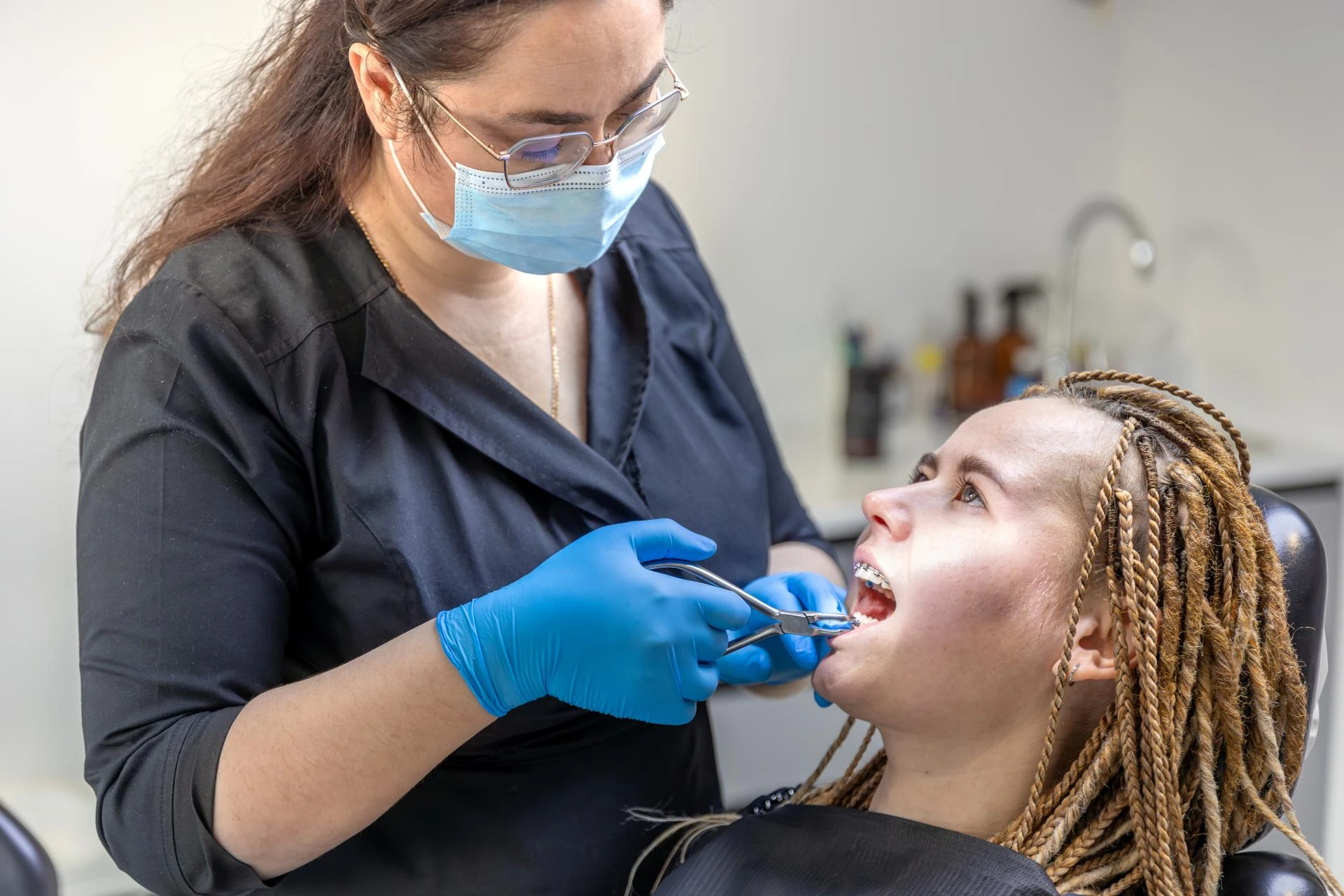
Many people are intimidated by the prospect of having to visit their local dentist for an extraction. But this unpleasant mental image is outdated. Modern dental practices have streamlined the extraction process to be as quick and painless as possible.
After the procedure, it is important to keep pressure on the area with an ice pack and take prescribed pain medication as directed. Do not rinse vigorously, suck on straws, smoke or brush the area.
The Tooth Extraction Process
Tooth extractions Knightdale NC are an unfortunate but necessary occurrence in today’s dental practices. A number of factors can lead to the need for a tooth to be removed from the mouth including severe decay, unrepairable damage due to trauma or poor preventative oral health practices and impacted wisdom teeth.
During the process of a tooth extraction you will be numb from the root to the gum surrounding it with a local anesthetic. Sedation or general anesthesia may also be chosen depending on your specific needs. You will feel a lot of pressure during the procedure but it is from firmly rocking and widening the socket in preparation for removal rather than pain as the nerves that transmit pressure have been numbed by the anesthetic.
Once a tooth is extracted there is a gap left behind which can be problematic if it is not filled, particularly if adjacent teeth are crowded and the space has a potential to drift/rotate over time. This can cause esthetic issues, eating problems and even jaw joint complications.
The Tooth Extraction Procedure
There are several reasons for tooth extraction, including severe decay, periodontal disease, broken teeth that can’t be repaired, or crowded teeth. A dentist may also recommend removal of a molar (wisdom) tooth to reduce the risk of alveolar osteitis, which is a painful and serious condition that can damage surrounding teeth and lead to jaw bone loss.
Before the extraction your doctor will numb the tooth, the gum tissue around the tooth, and the jaw bone with a local anesthetic. Depending on your specific needs, you may also receive sedation dentistry.
Once the anesthesia is administered, we will gently and carefully remove your tooth. You may feel some pressure during the extraction but no pain because the anesthetic numbs the nerves that transfer sensation of pressure. After the tooth is removed, we will ask you to bite firmly on a piece of gauze for about 20 minutes to control bleeding and encourage healing. If your mouth continues to bleed, change the gauze and repeat as needed until the bleeding stops.
The Tooth Extraction Aftercare
The extraction of a tooth may be necessary for a number of reasons, including severe decay or a damaged root. Occasionally, an overcrowded mouth requires removal of adult teeth to facilitate orthodontic treatment. Regardless of the reason, the procedure is relatively painless.
After the dentist removes a problematic tooth, they will place gauze over the surgical site to help control bleeding and promote clotting. It is important to bite firmly on the gauze for about 24 hours, and to rinse your mouth in a salt solution (1 teaspoon of salt dissolved in 8 ounces of water) at ten-minute intervals.
After a few weeks, you can resume your normal diet. Avoid crunchy or sticky foods, as they can irritate the surgical site and dislodge a blood clot. In addition, it is important to get plenty of rest. If pain is persistent or worsens, call your doctor. They may recommend a stronger painkiller or other treatments to help manage discomfort.
The Tooth Extraction Recovery
If you’ve had a tooth extracted, it is important to follow the aftercare instructions provided by your dentist. It’s vital that you don’t rinse vigorously, suck on straws or smoke around the extractions Knightdale NC site for 72 hours, as this may dislodge or dissolve the blood clot that has formed and hinder healing. Instead, you should rest and try to keep swelling to a minimum by placing an ice pack (an unopened bag of frozen peas or corn will do!) over the area. Take pain medication as directed and drink plenty of fluids to help speed healing.