Modern businesses depend on technology to manage daily operations, protect information, support employees, and deliver services efficiently. As organizations expand, their technology requirements become more complex. Reliable enterprise it hardware plays an essential role in maintaining performance, supporting business growth, and building a stable IT environment. From servers and storage systems to networking devices and computer components, every hardware element contributes to the overall efficiency of business infrastructure.
Selecting the right equipment requires careful planning. Businesses must consider performance, compatibility, scalability, security, and long-term maintenance when investing in technology. A well-planned hardware environment helps organizations reduce operational interruptions while preparing their infrastructure for future demands.
Understanding Enterprise Hardware Requirements
Every organization has different technology requirements depending on its size, industry, workforce, and operational objectives. Small businesses may need basic server and networking equipment, while large enterprises often require advanced computing systems capable of handling complex workloads.
Enterprise Hardware Solutions provide the physical foundation for business applications, databases, communication systems, and digital services. These solutions commonly include rack servers, processors, memory modules, storage drives, network switches, and other essential components.
Before purchasing equipment, IT teams should evaluate current workloads and expected growth. Understanding these requirements helps businesses avoid unnecessary spending and select hardware that delivers suitable performance without exceeding their budgets.
Choosing Reliable Enterprise Computer Hardware
Hardware reliability directly affects business productivity. Slow systems, outdated components, and frequent equipment failures can interrupt workflows and increase maintenance costs.
Enterprise Computer Hardware should be selected according to the applications and workloads it needs to support. High-performance processors are important for virtualization, database management, and resource-intensive applications. Sufficient memory helps systems manage multiple tasks, while suitable storage devices improve data access and application performance.
Organizations should also evaluate component compatibility. Processors, memory, storage devices, and expansion cards must work correctly with the selected server or workstation platform. Checking manufacturer specifications and hardware documentation before purchasing can help prevent installation problems.
Business IT Hardware and Infrastructure Planning
Effective infrastructure planning allows organizations to maintain consistent technology performance as their operations grow. Business IT Hardware includes desktops, workstations, servers, networking equipment, storage devices, and replacement components used across different departments.
IT administrators should establish clear hardware standards and maintenance schedules. Regular inspections, firmware updates, and component testing can help identify potential problems before they affect business operations.
Another important consideration is lifecycle management. Hardware does not remain suitable indefinitely. Businesses should monitor equipment performance, warranty coverage, manufacturer support, and replacement availability to determine when upgrades are necessary.
The Role of Enterprise Server Hardware
Servers are central to many business technology environments. They support applications, file sharing, databases, virtualization platforms, and internal communication systems.
Enterprise Server Hardware must provide sufficient processing power, memory capacity, storage performance, and reliability for the workloads it supports. Organizations running multiple virtual machines may require additional CPU cores and memory, while database environments may benefit from faster storage solutions.
Businesses should also consider redundancy when selecting server components. Redundant power supplies, compatible replacement drives, and suitable cooling systems can help reduce the impact of individual component failures.
Planning server capacity carefully ensures that infrastructure can accommodate additional users, applications, and workloads without requiring frequent replacements.
Building Reliable Enterprise Networking Equipment
Connectivity is another important part of business infrastructure. Employees, servers, cloud services, and connected devices depend on reliable network communication.
Enterprise Networking Equipment includes managed switches, routers, network adapters, gateways, and other connectivity devices. These components help organizations establish secure and efficient communication between systems and locations.
Network switches are particularly important in environments with multiple connected devices. Managed switches provide configuration options such as VLANs, traffic prioritization, and network monitoring. These features help IT teams organize network resources and manage performance.
Businesses should evaluate port capacity, supported network speeds, power requirements, and compatibility before purchasing networking equipment. A properly planned network can support future expansion while maintaining dependable connectivity.
Selecting Suitable Data Center Hardware
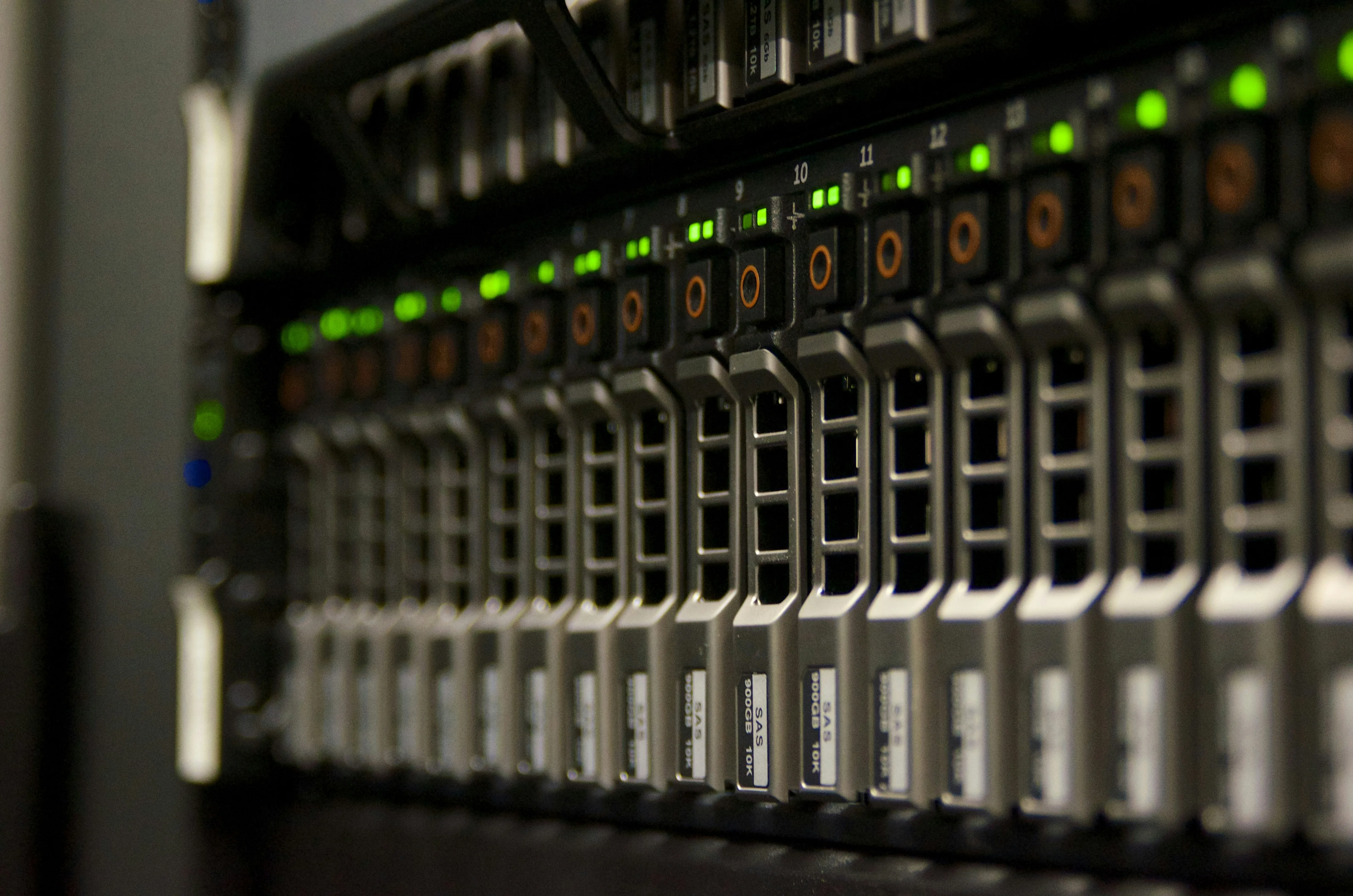
Data centers require carefully selected equipment to maintain availability, performance, and operational efficiency. Data Center Hardware typically includes rack servers, storage arrays, network switches, power distribution equipment, and cooling infrastructure.
Hardware selection should reflect the organization's computing and storage requirements. High-density servers may help optimize rack space, while efficient storage systems can support growing data volumes.
Power consumption and cooling requirements also deserve attention. Equipment that generates excessive heat or requires significant electrical capacity can increase operating expenses. Evaluating energy efficiency alongside performance helps businesses make more sustainable infrastructure decisions.
Organizations should also maintain accurate hardware inventories and document system configurations. This makes troubleshooting, maintenance, and future expansion easier for IT administrators.
Enterprise Storage Solutions for Business Data
Data storage requirements continue to increase as organizations generate more files, application data, backups, and business records.
Enterprise Storage Solutions include solid-state drives, hard disk drives, network-attached storage, and storage area network systems. Each option serves different workloads and performance requirements.
SSDs offer fast data access and are useful for applications requiring low latency. HDDs can provide larger storage capacities for environments where cost per terabyte is an important consideration. Businesses may combine both technologies to balance performance and storage capacity.
A complete storage strategy should also include regular backups, recovery procedures, and appropriate redundancy. Redundancy improves availability, but it should not replace independent backup systems.
Considering Refurbished Enterprise IT Equipment
Purchasing new hardware is not always the most practical option. Organizations with limited budgets or specific replacement requirements may consider Refurbished Enterprise IT Equipment as an alternative.
Refurbished servers, memory modules, processors, networking devices, and storage components can help extend existing infrastructure and reduce hardware acquisition costs.
However, buyers should evaluate the condition and specifications of refurbished products carefully. Testing procedures, warranty coverage, component compatibility, and return policies are important purchasing considerations.
Working with an experienced IT hardware supplier can help businesses identify suitable replacement components and maintain older systems when new equipment is difficult to source.
Preparing Enterprise IT Infrastructure for Future Growth
Technology planning should extend beyond immediate hardware requirements. Enterprise IT Infrastructure must be flexible enough to support additional users, increased data volumes, new applications, and changing business needs.
Organizations should periodically review server capacity, network performance, storage utilization, and equipment lifecycles. These assessments help IT teams identify upgrade requirements and allocate budgets more effectively.
Keeping essential Business Server Components available can also reduce maintenance delays. Replacement processors, memory modules, storage drives, power supplies, and network adapters help organizations maintain existing systems when individual components fail.
Conclusion
Reliable business operations depend on carefully selected hardware and effective infrastructure management. From enterprise servers and networking devices to storage systems and replacement components, every investment should support performance, compatibility, and long-term business objectives.
By evaluating workloads, planning hardware lifecycles, and considering both new and refurbished equipment, organizations can build infrastructure that supports present operations and future expansion. A practical approach to hardware procurement helps businesses maintain dependable technology environments while managing costs and operational risks.