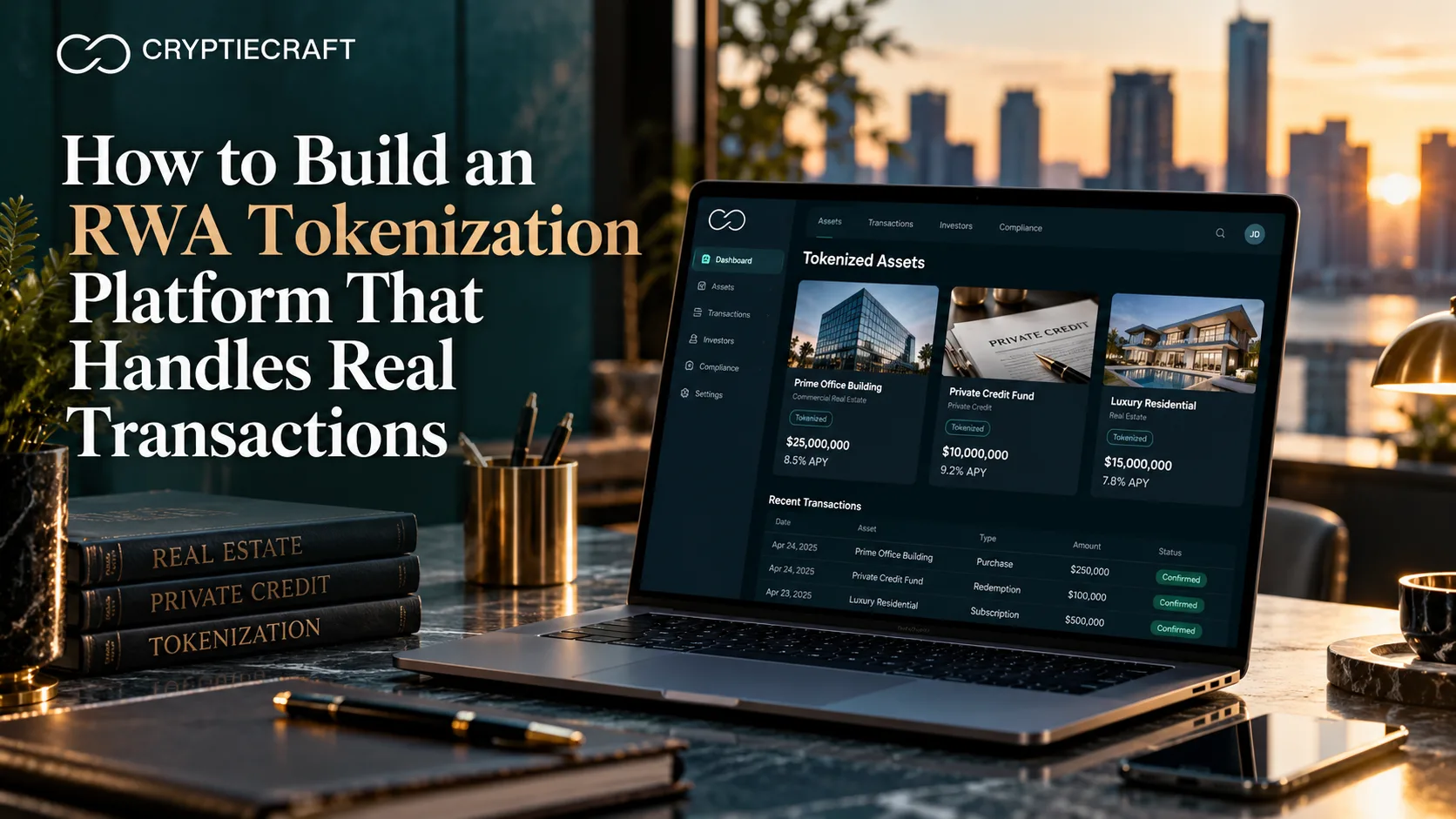
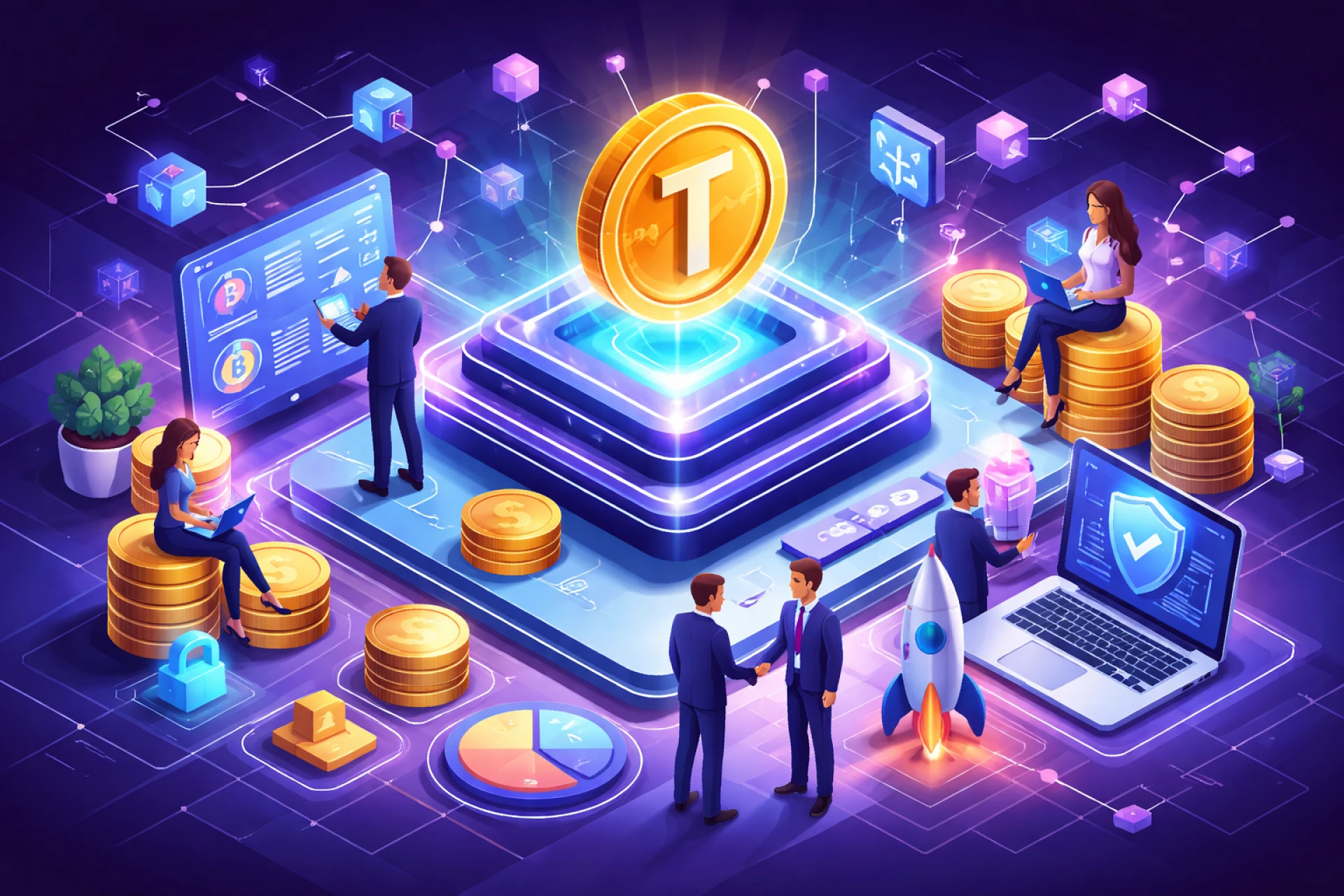
Digital ownership is shifting toward fractional access, global participation, and round-the-clock trading. Businesses that once depended on traditional investment structures are now considering token-based models to represent real-world and digital assets. Tokenization Platform Development sits at the center of this shift, offering a path for entrepreneurs to convert ownership rights into digital tokens that can be issued, traded, and managed on blockchain networks.
This guide walks through the full journey from idea validation to launch. It is written for founders, business leaders, and product teams who want a practical understanding of how to plan, design, and deploy a tokenization platform without unnecessary complexity.
Understanding the Business Case for Tokenization
Before writing code or choosing a blockchain, it is necessary to define why tokenization makes sense for your business. Tokenization is not just a technical upgrade. It changes how assets are owned, divided, and exchanged.
A few common business motivations include:
- Expanding investor access through fractional ownership
- Improving liquidity for traditionally illiquid assets
- Reducing dependency on intermediaries
- Creating new revenue channels through token issuance and trading fees
Tokenized asset platform development is widely used in sectors such as real estate, private equity, commodities, art, and intellectual property. Each sector comes with its own compliance and operational requirements, which must be evaluated early.
Step 1: Idea Validation and Market Research
Every successful platform begins with a clear concept backed by research. The goal here is to determine whether your idea solves a real market need.
Start by identifying the asset class you want to tokenize. This could be residential property, commercial real estate, fine art, or even revenue streams. Then analyze the following:
- Who are your target investors
- What problem are you solving for them
- How current solutions fall short
- What legal restrictions apply in your target regions
At this stage, founders often consult an Asset tokenization development company to understand feasibility from both technical and regulatory angles.
Practical approach:
- Conduct competitor analysis
- Study user behavior in similar platforms
- Validate demand through surveys or pilot programs
Step 2: Choosing the Right Asset Model
Not all assets behave the same when tokenized. You must define how ownership will be represented and managed.
There are typically two models:
- Equity-based tokens
- Represent shares in an asset or company
- Asset-backed tokens
- Represent direct ownership of a physical or digital asset
Each model affects how dividends, voting rights, and transfers are handled. Asset Tokenization Platform Development depends heavily on this structure since it impacts smart contract logic and compliance processes.
Points to consider:
- Ownership rights and legal enforceability
- Revenue distribution mechanisms
- Exit options for investors
Step 3: Legal and Regulatory Planning
Regulation is one of the most complex areas in tokenization. Ignoring it can delay or shut down a project.
Different countries treat tokenized assets differently. Some classify them as securities, while others apply hybrid frameworks. You need to determine:
- Whether your token qualifies as a security
- KYC and AML requirements
- Licensing requirements for operation
- Restrictions on cross-border investments
Tokenization Platform Development Services usually include legal consultation or partnerships with law firms to guide businesses through compliance.
Basic compliance checklist:
- Investor identity verification
- Transaction monitoring
- Data protection compliance
- Smart contract audit readiness
Step 4: Platform Architecture Planning
Once the business and legal foundation is set, the next phase is technical planning. This defines how your platform will function.
A typical tokenization platform includes:
- User interface for investors and asset owners
- Admin dashboard for platform control
- Blockchain layer for token issuance and transactions
- Smart contracts for automation
- Payment gateways for fiat and crypto transactions
An experienced Asset Tokenization Platform Development Company can help structure the architecture based on your use case.
Architecture planning points:
- On-chain vs off-chain data storage
- Custody solutions for digital assets
- Integration with external services such as KYC providers
- API layer for future expansion
Step 5: Blockchain Selection
Choosing the right blockchain network is critical. Each network offers different capabilities in terms of transaction cost, speed, and ecosystem support.
Popular choices include Ethereum, Polygon, Binance Smart Chain, and others. The decision should be based on:
- Transaction fees
- Developer ecosystem
- Security track record
- Compatibility with token standards
Tokenized asset platform development often uses widely adopted token standards like ERC-20 or ERC-721 depending on whether assets are fungible or non-fungible.
Step 6: Smart Contract Development
Smart contracts define how tokens behave. They handle issuance, transfers, compliance checks, and investor rights.
This stage requires careful coding and testing. Even small errors can lead to financial loss or legal complications.
Smart contract features may include:
- Token minting and burning
- Ownership tracking
- Dividend distribution
- Transfer restrictions based on compliance rules
Asset tokenization development services usually include contract auditing to identify vulnerabilities before launch.
Step 7: UI/UX Design and User Experience
While blockchain handles the backend, user experience determines adoption. A complicated interface can discourage users, especially those unfamiliar with crypto systems.
Your platform should offer:
- Simple onboarding process
- Clear asset listings
- Easy transaction flow
- Portfolio tracking dashboard
The goal is to make investing feel similar to traditional platforms while maintaining the benefits of blockchain-based ownership.
Step 8: Integration with Payment Systems
Investors may want to participate using fiat currency, cryptocurrencies, or both. Your platform must support flexible payment options.
Common integrations include:
- Bank transfers
- Credit and debit cards
- Crypto wallets
Tokenization Platform Development Services often include integration with payment gateways and custodial solutions to handle funds securely.
Step 9: Security and Testing
Security is not optional in tokenization platforms. Since financial assets are involved, even minor flaws can lead to major consequences.
Testing should cover:
- Smart contract vulnerabilities
- Platform performance under load
- Data security and encryption
- User authentication systems
Security practices:
- Conduct third-party audits
- Use multi-signature wallets
- Implement role-based access controls
Step 10: Launch Strategy
Launching a tokenization platform involves more than going live. You need a structured rollout plan.
Typical launch phases:
- Private beta
- Limited users test platform functionality
- Public beta
- Broader audience with monitored performance
- Official launch
- Full release with marketing campaigns
An Asset Tokenization Platform Development Company often supports businesses during launch with technical monitoring and updates.
Step 11: Marketing and User Acquisition
A well-developed platform still needs users. Marketing plays a significant role in attracting investors and asset owners.
Effective strategies include:
- Educational content explaining tokenization
- Community building through social channels
- Partnerships with asset providers
- Targeted campaigns for investor groups
Trust is a major factor in this space, so clear communication and consistent updates matter.
Step 12: Post-Launch Operations
After launch, the focus shifts to maintenance, updates, and growth.
Ongoing tasks include:
- Platform monitoring and bug fixes
- Adding new asset listings
- Updating compliance measures
- Expanding to new markets
Tokenized asset platform development does not end at launch. It requires continuous improvement based on user feedback and regulatory changes.
Cost Factors in Tokenization Platform Development
Understanding cost is important for planning. Expenses vary based on platform complexity, region, and features.
Major cost components:
- Development and design
- Legal and compliance
- Smart contract auditing
- Infrastructure and hosting
- Marketing and user acquisition
Working with an experienced Asset tokenization development company can help optimize costs by avoiding unnecessary features in early stages.
Challenges Businesses Should Expect
While tokenization offers many opportunities, it also comes with challenges:
- Regulatory uncertainty in some regions
- Limited user awareness
- Technical complexity
- Integration with traditional financial systems
Addressing these challenges requires a combination of planning, expertise, and ongoing adaptation.
Future Outlook
Tokenization is moving toward wider adoption as institutions and governments begin to recognize its potential. Real estate, private equity, and alternative investments are expected to see increased participation through token-based platforms.
Businesses entering this space today are positioning themselves in a market that is still developing, with room for innovation and differentiation.
Conclusion
Tokenization Platform Development is a multi-stage process that blends business strategy, legal planning, and technical execution. From idea validation to launch and beyond, each step requires careful decision-making.
For entrepreneurs and organizations, the opportunity lies in identifying the right asset class, building a compliant structure, and delivering a platform that users can trust and understand. With the right approach and support from experienced Tokenization Platform Development Services, it is possible to move from concept to a fully operational platform that connects assets with global investors.