
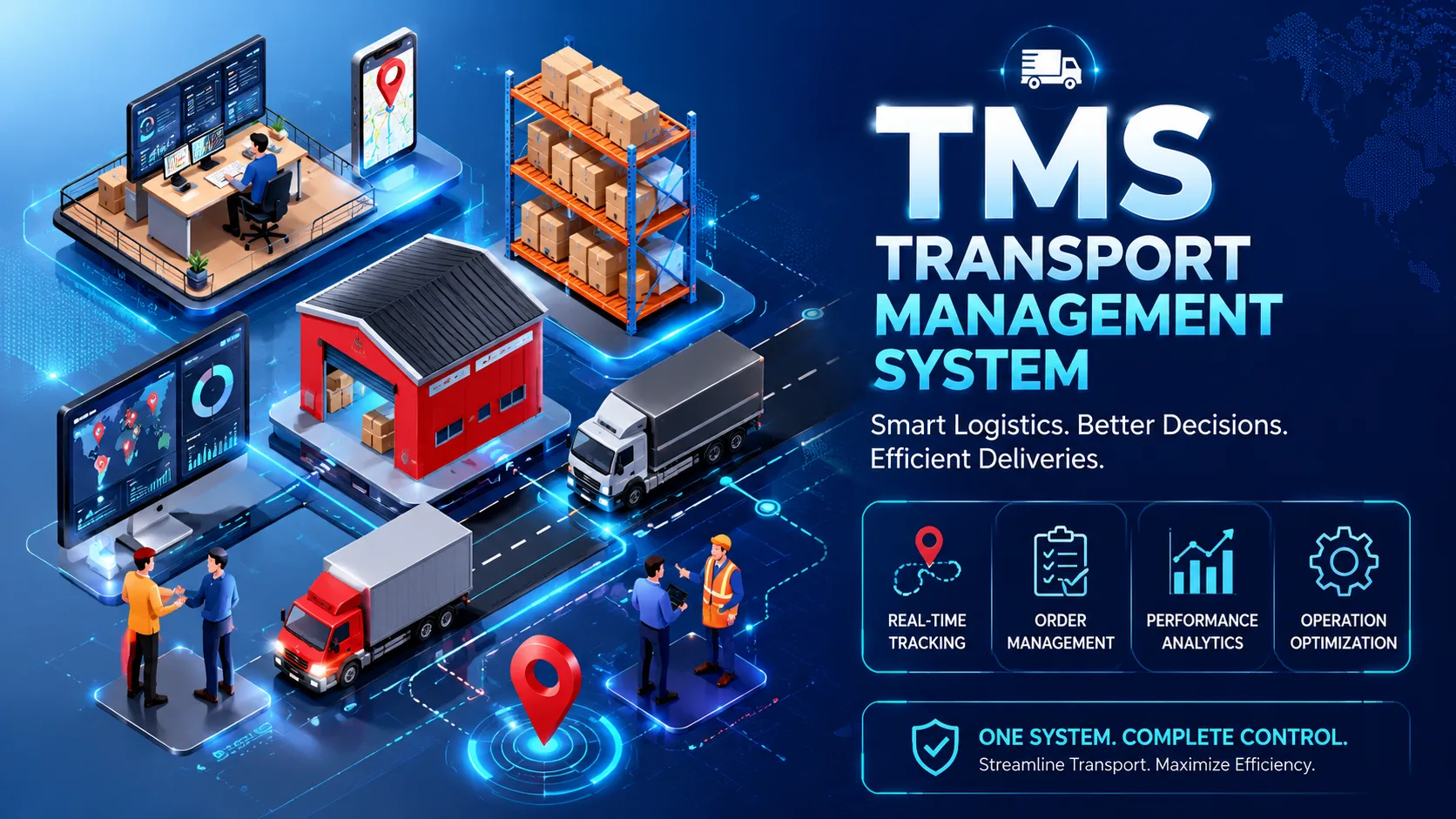
The logistics landscape is shifting fast, and businesses that rely on outdated processes are falling behind. A modern TMS transport management system has become the backbone of efficient freight operations, helping companies plan, execute, and optimize the movement of goods with greater speed and accuracy. As we move deeper into 2026, new trends are reshaping how shippers, carriers, and logistics teams approach transportation, making it essential to understand where the industry is headed.
The Rise of AI-Driven Decision Making
Artificial intelligence is no longer a futuristic add on. It has become a core part of how a transportation management system operates. AI powered tools now analyze historical shipping data, predict potential delays, and recommend optimal routes in real time. This allows logistics teams to make faster decisions without relying purely on manual planning. Predictive analytics is helping companies avoid disruptions before they happen, giving them a competitive edge in an unpredictable market.
Greater Focus on Real Time Visibility
Shippers today expect full transparency across every stage of the shipping journey. Modern transport management software integrates GPS tracking, IoT sensors, and live status updates so businesses and customers can monitor shipments at any moment. This level of visibility reduces uncertainty, improves customer trust, and allows teams to respond quickly when issues arise on the road.
Deeper Integration With Supply Chain Ecosystems
A logistics management system is no longer working in isolation. In 2026, TMS platforms are becoming tightly connected with warehouse management systems, ERP platforms, and procurement tools. This integration creates a unified data flow across the entire supply chain, reducing manual entry errors and improving coordination between departments. Companies that adopt connected systems are seeing smoother operations and fewer communication gaps between teams.
Sustainability as a Core Priority
Environmental responsibility has moved from a nice to have feature to a business requirement. Many organizations now use their supply chain management software to track carbon emissions, optimize load planning, and choose greener transportation options. Reducing empty miles and consolidating shipments not only supports sustainability goals but also improves overall efficiency and lowers operational strain.
Automation Taking Over Routine Tasks
Manual processes like carrier selection, rate comparison, and freight audit are increasingly being automated. This shift allows logistics professionals to focus on strategic planning rather than repetitive administrative work. Automation also minimizes human error, speeds up order processing, and ensures more consistent execution across every shipment.
Cloud Based Platforms Becoming the Standard
Cloud technology continues to dominate the transportation software space. Cloud based systems offer flexibility, easier scalability, and remote accessibility, which has become essential for logistics teams managing operations across multiple locations. Businesses are moving away from legacy systems toward cloud native platforms that can adapt quickly to changing demands.
Enhanced Collaboration Between Carriers and Shippers
Modern platforms are improving communication between carriers and shippers through shared dashboards, digital documentation, and automated updates. This collaborative approach reduces delays caused by miscommunication and helps build stronger long term partnerships across the transportation network.
Why Businesses Need to Adapt Now
Companies that continue relying on outdated tools risk falling behind competitors who are already leveraging smarter technology. The shift toward automation, AI, and deep system integration is not a passing trend. It represents the future of logistics operations, and businesses that adapt early will be better positioned to handle rising customer expectations and market complexity.
Take the Next Step Toward Smarter Logistics
The future of freight management belongs to businesses that embrace innovation today. If your company is still struggling with outdated systems, delayed shipments, or limited visibility, now is the time to make a change. Upgrading to a smarter, more connected platform can transform the way your business handles transportation, reduces costs, and strengthens customer satisfaction.
At nVision Global, we help businesses simplify their logistics operations with advanced technology built for the demands of modern supply chains. Reach out today to discover how our solutions can help your business stay ahead in this rapidly evolving industry.