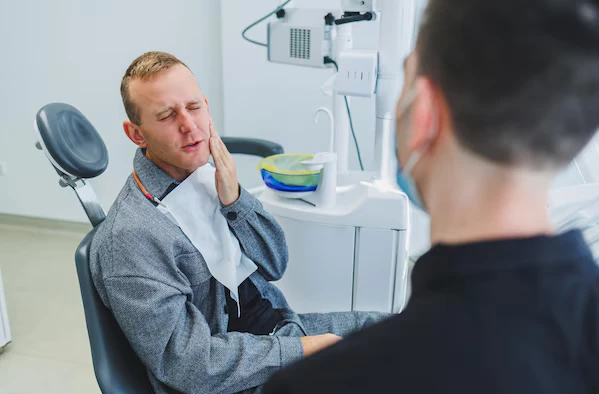
Many people with TMJ problems have tight muscles that cause jaw, head, and neck pain. These muscles often develop "trigger points" that are extremely tender to the touch.
Medications, physical therapy, and changing bad habits can all help ease your symptoms. You should also see a specialist like an oral surgeon or otolaryngologist.
Medications
If you have a clicking or grating sound or limited movement of the jaw joint and are experiencing pain, it’s likely that you have a TMJ therapy Raleigh NC disorder. TMJ treatment aims to alleviate pain and improve jaw function.
Medication like NSAIDs (over the counter or prescription) is often effective in relieving TMJ related pain. We may also prescribe muscle relaxants to help you get a restful night’s sleep and to reduce the intensity of your jaw clenching or grinding known as bruxism.
Another approach involves using regenerative medications such as PRP, AMPP and BMAC that encourage your body’s natural healing mechanisms to improve the function of your TMJ. These treatments are non-invasive and require minimal recovery time.
Physiotherapy
Physiotherapy is a non-invasive, natural treatment option that helps relieve TMJ pain and improve jaw movement. Manual therapy techniques such as soft tissue massage and joint mobilization can reduce muscle tension that may contribute to TMJ symptoms. In addition, physical therapy can address posture issues that can exacerbate TMJ pain, such as poor alignment between the neck and the rest of the spine.
During a physiotherapy session, your provider will complete a thorough assessment of your TMJ disorder. This will include taking a detailed history and doing a physical assessment, including testing your jaw movements to see what makes your symptoms worse. They may also use trigger point massage to help relax tight knots in your jaw muscles. They can also use modalities such as heat or cold, ultrasound and electrical stimulation to decrease TMJ pain and stiffness.
Other modalities that may be used include arthroscopy (a procedure in which the provider inserts a tube with a camera into your TMJ to visualize the joint) and corticosteroid injections. During arthroscopy, your provider can also remove scar-like tissues or reposition the TMJ disc in your jaw.
Orthotics
When trauma or overuse afflicts the temporomandibular joint, it can cause discomfort, inflammation and a feeling of stiffness that radiates to other parts of the face, ears, neck, shoulders. This intricate joint requires a nuanced understanding and a targeted approach to therapy.
The most common treatment is an orthotic device that helps bring the jaw down and forward into a healthier position. This takes pressure off the damaged discs, allowing them to remodel and heal. This can cause a little bit of discomfort at the beginning of treatment, such as sore muscles, tightness in the throat or cheek bones, and increased saliva production.
It can take time to adjust to a new bite, so patients are instructed to wear the orthotic consistently to avoid re-injury and return to a more stable, healthy position. Once this is done, Phase 2 can begin to correct the broken bite and provide stability for longer-term relief. Lifestyle modifications like a soft diet, stress management techniques and avoiding teeth grinding and jaw clenching are also encouraged at this stage to maximize results.
Surgery
If nonsurgical therapies, medications and lifestyle changes do not relieve your symptoms, surgery may be an option. However, this is typically considered a last resort as it permanently alters the temporomandibular joint (TMJ) and cannot be reversed.
Your provider will make a small cut next to your ear and insert a slender tube with a camera and light (you might hear this procedure called keyhole surgery). They can wash out the joint, remove scar tissue and even try to reposition the disk in the joint.
This minimally invasive therapy targets tight knots of muscle that trigger jaw pain. Your therapist will use massage to relax the muscles and prevent the formation of scar tissue. This approach can be especially effective for patients with myofascial pain syndrome, which accounts for 45% of TMJ therapy Raleigh NC disorders. It can produce headaches, ringing in the ears, swallowing difficulties and jaw pain. It often results from poor posture, teeth clenching and stress.