
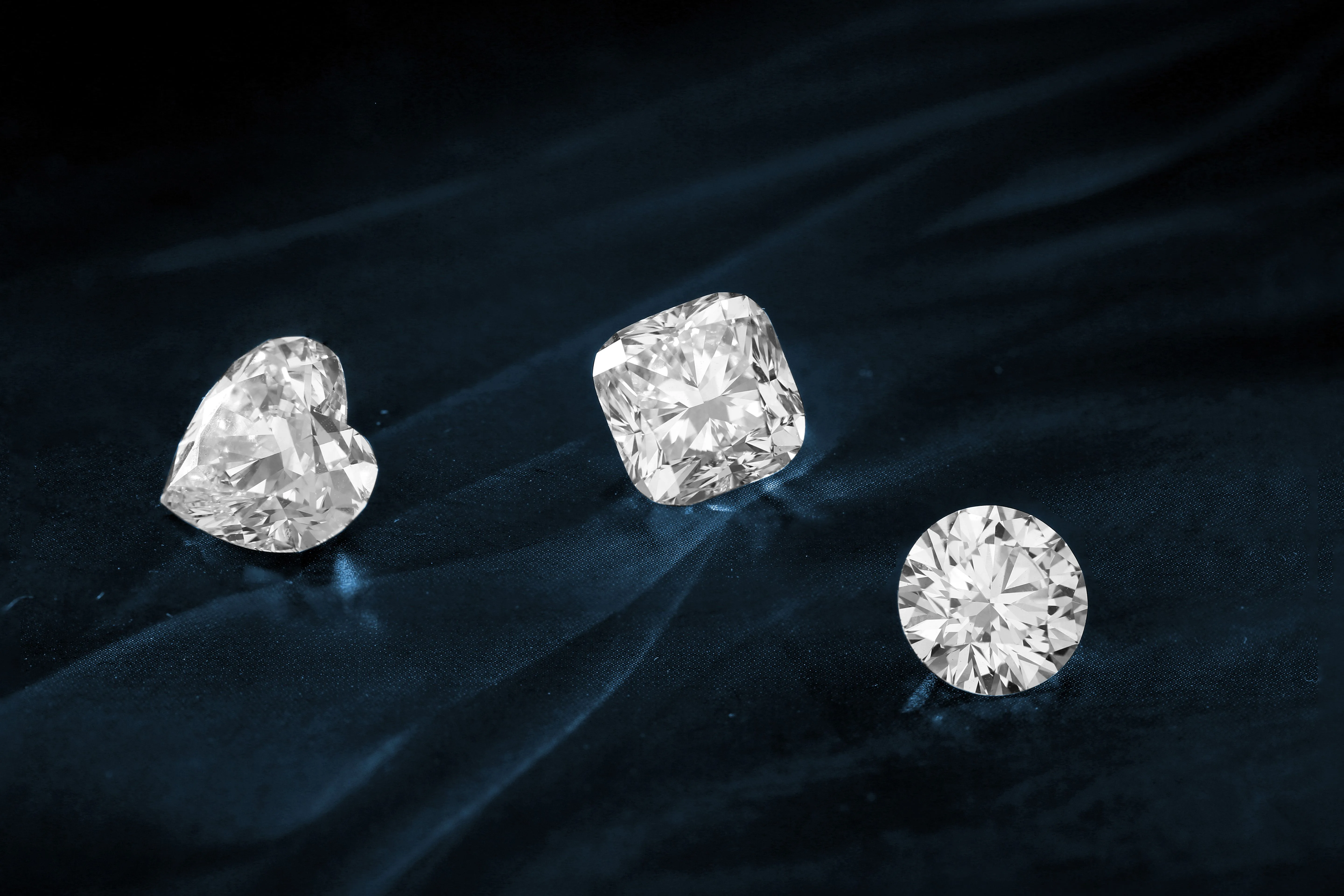
Choosing a diamond is an exciting experience, especially when selecting a stone for an engagement ring, anniversary gift, or custom jewelry design. However, finding the right diamond requires more than simply choosing an attractive shape or size. Buyers need to understand diamond quality, pricing, certification, and personal preferences before making a final decision.
Loose diamonds offer flexibility because buyers can select a stone separately and pair it with a setting that matches their style. Whether you prefer a classic round diamond or a modern oval shape, understanding a few essential factors can help you make a confident purchase.
Here are some useful tips to consider when choosing the perfect loose diamond.
1. Understand the 4Cs of Diamond Quality
The first step in selecting a quality diamond is understanding the 4Cs: cut, color, clarity, and carat weight. These characteristics influence a diamond's appearance, quality, and overall price.
Cut: Cut affects how a diamond reflects light. A well-cut diamond generally displays better brilliance and sparkle.
Color: Diamond color is graded from D to Z. Colorless diamonds fall within the highest grades, while lower grades may show noticeable yellow or brown tones.
Clarity: Clarity measures natural inclusions and external blemishes. Higher clarity grades generally have fewer visible characteristics.
Carat: Carat represents diamond weight, not its exact visual size. Different diamond shapes can appear larger or smaller despite having the same carat weight.
Understanding these factors helps buyers identify which characteristics matter most when selecting a diamond.
2. Choose a Diamond Shape That Matches Your Style
Diamond shape plays an important role in the overall appearance of jewelry. Different shapes create different visual effects, so consider your personal style before choosing one.
Popular diamond shapes include:
- Round: A timeless choice known for its brilliant sparkle.
- Oval: An elegant shape that can create an elongated appearance.
- Princess: A square shape with a contemporary look.
- Emerald: Recognized for its rectangular shape and step-cut facets.
- Pear: A distinctive teardrop shape that combines rounded and pointed edges.
- Cushion: Features soft corners and a romantic appearance.
Think about the jewelry design and setting you plan to use before making your selection.
3. Set a Realistic Diamond Budget
Setting a budget before shopping can help narrow down your options and prevent unnecessary spending. Loose diamond prices vary depending on their 4Cs, shape, origin, certification, and market conditions.
Rather than focusing only on carat weight, consider balancing the different quality characteristics.
For example, a slightly lower color or clarity grade may provide attractive visual quality at a more affordable price. The right balance depends on your preferences and the individual diamond.
4. Check Diamond Certification
Certification is an important consideration when purchasing a loose diamond. A grading report provides information about the diamond's characteristics and helps buyers understand what they are purchasing.
Look for reports from recognized gemological laboratories, such as the Gemological Institute of America (GIA).
Before buying, review:
- Diamond carat weight and measurements.
- Cut, color, and clarity grades.
- Diamond identification or report number.
- Recorded inclusions and other identifying characteristics.
- Whether the report matches the actual diamond.
A reliable grading report can make comparing different diamonds easier and more transparent.
5. Compare Loose Diamonds Before Buying
One of the most useful steps in diamond shopping is comparing multiple options. Two diamonds with similar specifications may have different prices, appearances, and overall characteristics.
When you compare loose diamonds, pay attention to:
- Cut quality and light performance.
- Color and clarity grades.
- Carat weight and measurements.
- Diamond shape and proportions.
- Certification and asking price.
Online comparison platforms make this process more convenient by allowing buyers to explore different stones and review their specifications in one place.
6. Examine Diamond Images and Videos
Diamond grading reports provide valuable information, but visual inspection is equally important. Images and videos can help buyers understand a diamond's appearance before purchasing.
Pay attention to the following details:
- Overall brightness and sparkle.
- Visible inclusions.
- Color appearance.
- Symmetry and proportions.
- Any noticeable imperfections.
If possible, review high-quality images and videos under different lighting conditions. This can provide a better understanding of how the diamond looks beyond its grading information.
7. Consider Natural and Lab-Grown Diamonds
Buyers can choose between natural and lab-grown diamonds based on their preferences and budget.
Natural diamonds form naturally beneath the Earth's surface over geological periods. Lab-grown diamonds are created using controlled technological processes and have essentially the same chemical composition and crystal structure as natural diamonds.
Both options can offer attractive appearance and durability. However, they differ in origin, market pricing, and resale considerations.
Understanding these differences can help you choose the option that suits your priorities.
8. Select a Suitable Setting
After choosing a loose diamond, consider how it will look in its final setting. The setting affects the overall appearance, protection, and style of the jewelry.
Some popular engagement ring settings include:
- Solitaire setting for a simple and timeless design.
- Halo setting for additional visual presence.
- Bezel setting for a secure, modern appearance.
- Three-stone setting for a balanced design.
- Pavé setting for extra sparkle around the center stone.
Make sure the setting is compatible with your chosen diamond's shape and measurements.
Conclusion
Choosing the perfect loose diamond requires careful research and attention to detail. Understanding the 4Cs, selecting the right shape, setting a realistic budget, and checking certification can make the buying process easier.
Taking time to compare different diamonds and examine their visual characteristics also helps you identify a stone that matches your expectations. By considering quality, appearance, and price together, you can make a more informed decision and choose a loose diamond that suits your style and budget.
For More Information Visit Us :-
Website :- https://www.diamondhedge.com/
Email :- contact@diamondhedge.com