When disaster strikes a business property—whether from water damage, fire, mold, or sewage overflow—choosing the right commercial restoration contractor in Beaverton can make or break the recovery timeline. In Beaverton, where rapid seasonal shifts and urban development intersect, commercial buildings often face unique restoration demands. Property owners must ensure that their selected team is skilled, certified, and equipped to handle both emergency mitigation and long-term structural recovery.
This guide provides actionable tips for identifying a reliable restoration partner who understands the complexity of commercial projects in Beaverton. It explores service distinctions, vetting strategies, risk factors, and contractor attributes that make a lasting difference in restoration success.
Understanding the Role of a Commercial Restoration Contractor
Commercial restoration goes far beyond basic property repairs. It involves advanced mitigation processes, rapid-response mobilization, insurance coordination, and health-compliant rebuilding—all while minimizing disruption to business operations.
Core Qualities of a Commercial Restoration Specialist
- 24/7 emergency capability to reduce downtime and liability risks
- Licensed and certified staff familiar with large-scale commercial codes
- Coordination with property managers and insurers to streamline restoration workflows
- Post-mitigation remodeling services to bring spaces back to fully operational status
Business owners searching for a response home contractor in [Beaverton] need more than general repair—they need a responsive, credentialed, and experienced provider.
Evaluating Qualifications and Certifications
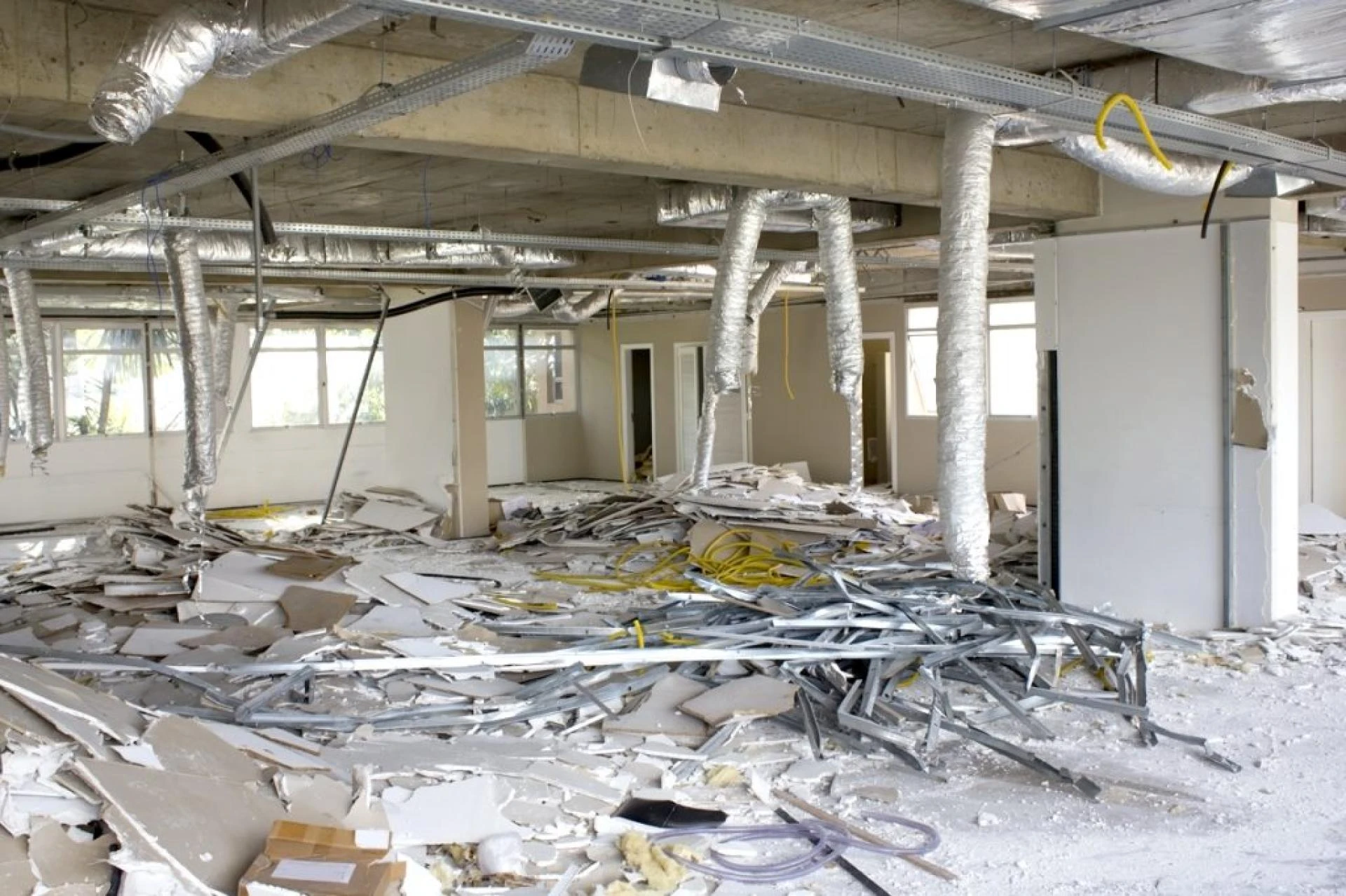
Every restoration firm is not equally equipped to handle commercial properties. High-traffic buildings, complex layouts, and hazardous materials require specific knowledge, tools, and regulatory compliance.
How to Check Contractor Credentials
- IICRC certification (Institute of Inspection Cleaning and Restoration Certification)
- OSHA training for safe construction and contamination handling
- EPA Lead-Safe practices for buildings constructed before 1978
- Experience with large-scale or multi-unit properties Always ask for past commercial project references to assess scale-readiness.
A certified private property restorer with this background is significantly more equipped than general handymen or residential-only providers.
Commercial vs. Residential Restoration: Key Differences
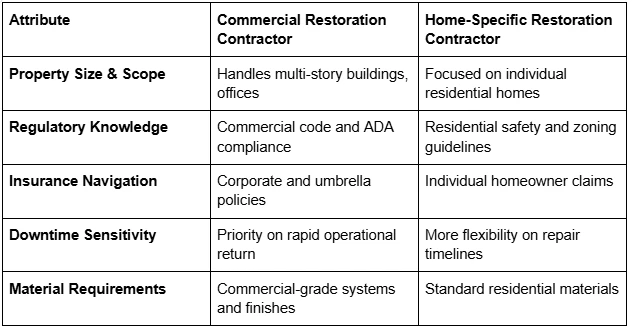
A business requiring water damage home contractor services, for example, may still have overlapping needs—especially in mixed-use buildings—but scale and compliance will differ.
Signs of a Reliable Restoration Partner
Hiring a trusted house remediation contractor in Beaverton requires awareness of red flags and positive indicators. Whether the damage involves mold, fire, or storm impact, business continuity depends on working with the right team.
Indicators of a Qualified Team
- Local presence and references in Beaverton or surrounding cities
- Transparency in estimates, timelines, and contracts
- Ability to mobilize rapidly and with full documentation
- Team includes rebuild and remodel professionals
- Clear internal process for safety, communication, and site updates
Avoid providers who lack a physical office in the area or rely solely on subcontractors. The most reliable teams act as a home rebuilding contractor as well—managing both damage repair and structural improvements under one roof.
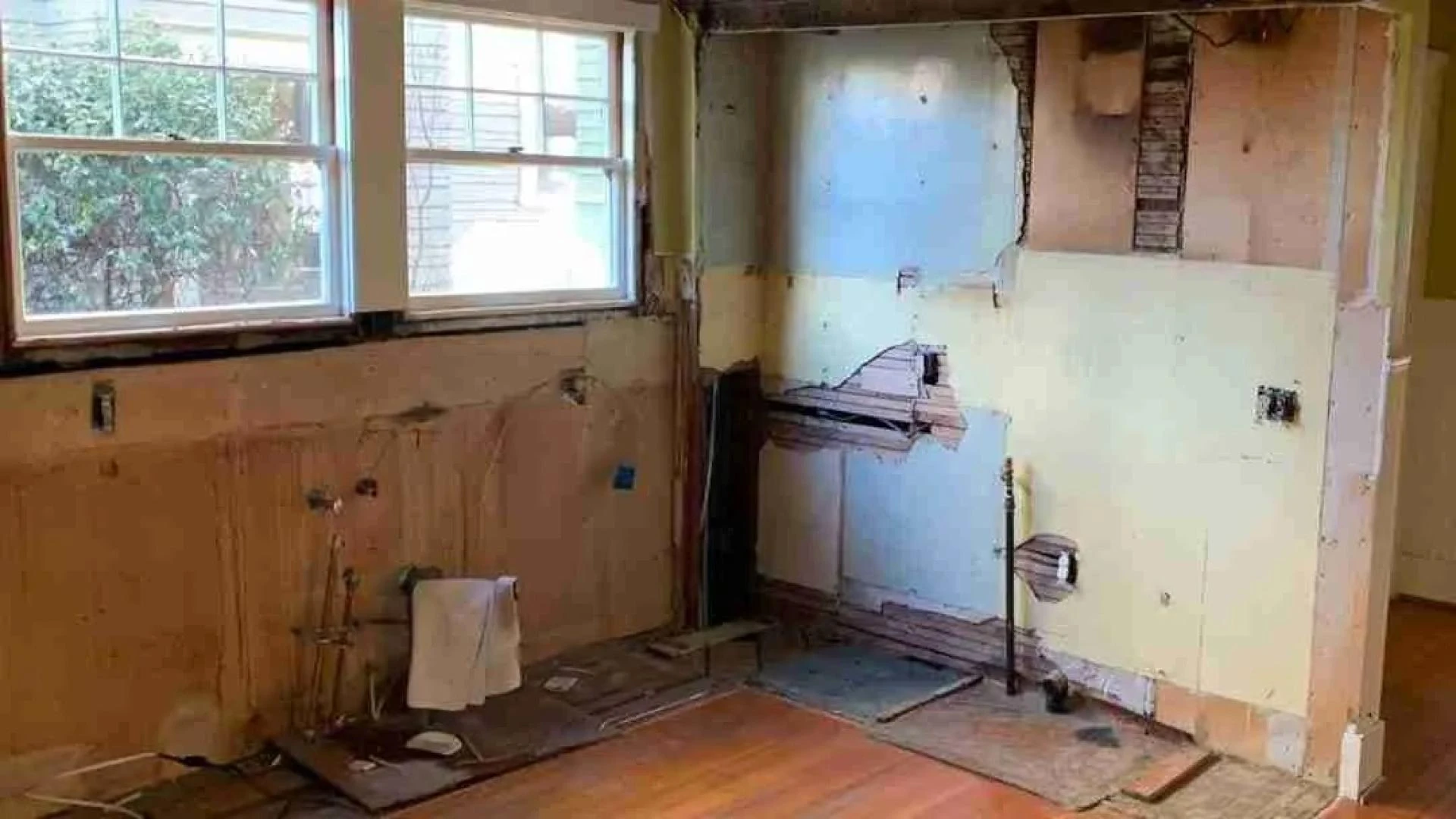
How to Vet a Commercial Restoration Contractor in Beaverton
Start by shortlisting firms based on Google reviews, local business directories, and service history in the city. Then request in-person walkthroughs and assessments before approving scopes of work.
Key Questions to Ask Before Signing
- Have you worked on similar properties (square footage/type)?
- How do you manage moisture mapping or microbial risks?
- Do you handle permitting, disposal, and code compliance?
- What’s your average mobilization time for emergencies?
- Can you provide a sample project timeline?
When comparing bids, don’t just look at price—evaluate total service offering, insurance support, and logistical readiness. The lowest-cost option often results in rework, especially in projects requiring expert fire repair for homes and buildings.
Restoration Services That Support Commercial Properties
Water Mitigation
Removes excess water from floods, broken pipes, or roof leaks using high-capacity drying equipment. Prevents structural rot, mold formation, and electrical damage.
Fire Mitigation
Neutralizes smoke residue, odor, and charred material from affected areas. Includes HVAC system cleaning and code-compliant debris disposal.
Mold Mitigation
Isolates and eliminates mold growth in walls, floors, or ductwork using negative air pressure and antimicrobial agents. Vital for compliance in healthcare and education buildings.
Sewage Mitigation
Sanitizes areas contaminated by sewage backup using certified disinfectants and protective barriers. Ensures no biohazards remain.
Restoration
Restores properties to pre-loss condition through structural repair, material replacement, and system recalibration—essential for occupancy compliance.
Remodel
Reconfigures or modernizes commercial interiors after damage recovery. Upgrades layouts, lighting, finishes, and more to match current standards.
Water Damage Restoration Service
Pinpoints moisture sources and repairs all affected systems—flooring, drywall, ceiling tiles, wiring. Prevents future insurance disputes through proper documentation.
Microbial Restoration Services
Targets hidden microbial threats, including fungal spores and bacteria. Used in post-flood scenarios or aging HVAC systems in commercial buildings.
Property Management Restoration
Tailored for multi-tenant spaces, these services reduce disruption, maintain building access, and keep compliance records for property managers and leasing agents.
Real-World Considerations for Beaverton Properties
Beaverton’s mixed zoning—where businesses often sit close to homes—means that commercial properties share infrastructure with residential systems. This overlap creates dual vulnerabilities. For instance, a water main burst can impact both the retail shop and the apartment above. In such cases, a personal home restoration contractor with commercial capacity ensures both levels are addressed without separate bids or coordination gaps.
Common Myths About Commercial Restoration
“Any residential team can handle commercial repairs.”
Scale, safety protocols, and compliance are entirely different in commercial settings. Even experienced home recovery experts may fall short in regulatory areas.
“Mold isn’t a big issue unless it’s black mold.”
All mold types pose health risks, especially in public-facing or high-traffic areas. Proper identification and clearance testing are essential.
“Insurance will take care of everything.”
Coverage gaps are common, especially with sewer, mold, and fire. Contractors with documentation experience prevent claim rejections.
Conclusion
Choosing the right commercial restoration contractor in Beaverton is about more than finding someone who can clean up damage. It’s about ensuring the safety, usability, and long-term value of your business property. From emergency response to full-scale reconstruction, the contractor you choose should demonstrate regulatory knowledge, technical capability, and logistical strength. With the right team, recovery becomes a gateway to improvement—not just a temporary fix.
Ready to Achieve Energy-Efficient Indoor Performance?
Commercial spaces must function efficiently post-restoration, especially in terms of HVAC, insulation, and environmental health. Prestige NW Restoration supports performance-driven projects that ensure long-term comfort, compliance, and usability. Call (360) 334-3624 or email [email protected] for expert assistance with commercial restoration services tailored to your Beaverton property.
FAQs
How long does commercial restoration typically take in Beaverton? Timelines vary based on damage scope, but reputable teams provide projected schedules upfront and adjust based on permitting and material access.
Do commercial restorers handle insurance documentation? Yes. Many restoration providers help complete scopes, submit supporting photos, and communicate with claims adjusters.
Can mold remediation happen while a business stays open? In some cases, yes. With containment barriers and after-hours scheduling, businesses can continue limited operations during cleanup.
Is restoration always required after mitigation? Often, yes. Mitigation stops the damage, but restoration is needed to make the space functional again. This may involve drywall, flooring, and system replacement.
What certifications should I look for in a commercial restorer? Look for IICRC certification, OSHA compliance, and EPA Lead-Safe credentials, especially for multi-unit and mixed-use properties.
Reviewer
Matthew Moore brings over 15 years of experience in residential renovation marketing. The review provided helped shape this content to better connect with homeowners seeking reliable, high-quality restoration and home improvement services.