Tipping trailers are a vital component of construction logistics across the United Kingdom. Whether it’s a busy development site in London or a rural build in Cumbria, these trailers offer the perfect solution for moving and offloading heavy materials quickly and safely. Designed to improve productivity and reduce labour demands, tipping trailers have become a trusted ally for contractors, builders, and groundworkers across the industry.
In this article, we delve into what tipping trailers are, how they work, the types best suited to UK construction, and how to choose the right one for your specific project needs.
What Are Tipping Trailers?
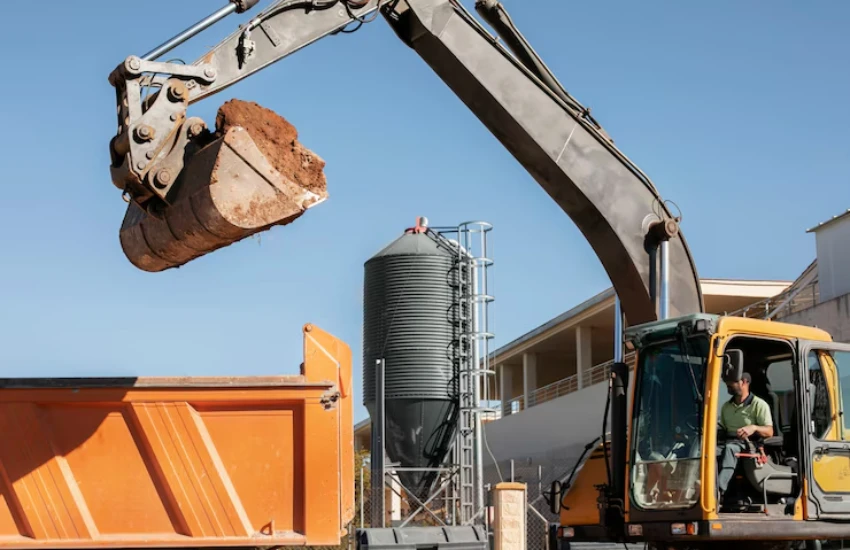
Tipping trailers, also known as tipper trailers, are robust transport units used to carry and discharge loads of construction materials like soil, rubble, gravel, concrete, or aggregates. Unlike flatbed trailers, these units are equipped with hydraulic or electric mechanisms that allow the bed of the trailer to lift at an angle. This “tipping” function enables materials to be emptied efficiently at a chosen location with minimal manual intervention.
The result? Less labour, faster turnaround, and safer operations.
Why Are Tipping Trailers So Important for UK Construction Sites?
UK construction sites are subject to strict health and safety standards, logistical constraints, and tight project deadlines. Tipping trailers respond well to these challenges by offering:
- Speed and Efficiency: With automatic unloading features, workers spend less time handling materials.
- Labour Savings: Manual shovelling or loading is reduced significantly.
- Cleaner Job Sites: Controlled tipping keeps the worksite more organised and hazard-free.
- Adaptability: Tipping trailers handle various loads and terrains — from urban streets to muddy, off-road locations.
Whether you're developing residential homes or working on commercial infrastructure, a tipping trailer can become the backbone of your material handling strategy.
Types of Tipping Trailers Commonly Used in the UK
When selecting a trailer for a construction project, it’s important to understand the various types available:
1. Rear Tipping Trailers
These are the most common. They tip from the back and are ideal for dumping loose materials like sand, stones, or waste at a single, open location.
2. Three-Way Tipping Trailers
Versatile by design, these can tip to the rear and to both sides. Ideal for sites with limited space or tricky access points, they offer flexibility during material dispersal.
3. Hydraulic Tipping Trailers
Powered by hydraulic cylinders, these trailers offer powerful lifting for heavy-duty applications. They're widely used in commercial construction projects.
4. Electric Tipping Trailers
These run on battery-powered motors and are ideal for smaller loads or inner-city sites where noise control and emissions matter.
5. Plant Tipper Trailers
Specially designed to transport small construction machines such as mini excavators and compact loaders. These trailers come with reinforced floors and loading ramps.
Key Features to Look For in a Construction Tipping Trailer
Investing in or hiring the right tipping trailer requires more than just a glance at price tags. Here are some features UK contractors should prioritise:
- Payload Capacity: Always consider the trailer’s load limit based on what you'll be carrying most often.
- Durability: Galvanised steel or heavy-duty aluminium builds withstand British weather and rugged work environments.
- Tipping Mechanism: Choose between hydraulic or electric based on your power source and load type.
- Tyres and Suspension: For off-road or uneven surfaces, robust tyres and suspension systems are essential.
- Braking and Lighting: Road-legal features such as LED lights, reflectors, and brake systems are a must for trailers used off-site.
Benefits of Using Tipping Trailers on UK Construction Sites
Tipping trailers offer far-reaching advantages beyond basic transport:
- Enhanced Productivity: Quicker turnaround times on loading and unloading free up your team for other tasks.
- Reduced Downtime: With less manual labour, crews can continue work without long delays.
- Improved Safety: Fewer manual handling requirements mean fewer injuries and a lower risk of workplace accidents.
- Cost-Effective: Over time, tipping trailers help cut labour, fuel, and equipment maintenance costs.
- Environmentally Friendly Options: Electric tipper trailers support sustainable construction goals in urban areas.
Compliance and Road Safety Regulations in the UK
When using tipping trailers on UK roads or public access points, there are legal requirements to consider:
- Weight Limits: Trailers must not exceed the towing capacity of the vehicle pulling them.
- Licensing: Operators may need additional categories on their driving licence depending on trailer weight.
- Maintenance Records: Regular inspections are mandatory for road safety and insurance compliance.
- Lighting and Indicators: Trailers must be road legal with working brake lights and reflectors.
Failing to meet these standards can result in penalties or delays — which is why it’s always wise to work with a reputable supplier or hire service that ensures full compliance.
Buying vs Hiring a Tipping Trailer in the UK
Depending on your project size and frequency of use, you can either hire or purchase a tipping trailer:
- Hiring: Ideal for short-term or seasonal projects. This reduces upfront investment and ensures access to newer models.
- Buying: More suitable for regular or long-term use. Ownership means you can customise the trailer to your exact requirements.
Look for suppliers who offer full maintenance packages, customer support, and spare parts availability.
Conclusion
Tipping trailers are more than just tools — they are strategic assets for construction companies across the UK. They speed up tasks, keep job sites cleaner and safer, and significantly reduce reliance on manual labour. From choosing the right type to understanding safety regulations, the success of your operations often depends on how well you utilise this equipment.
If you're serious about streamlining material handling and improving site efficiency, investing in a reliable tipping trailer is a smart, forward-thinking move.