Fixing a Windscreen Chip Before It Spreads: What Sydney Drivers Need to Know
Why Small Damage Becomes a Big Problem in Sydney
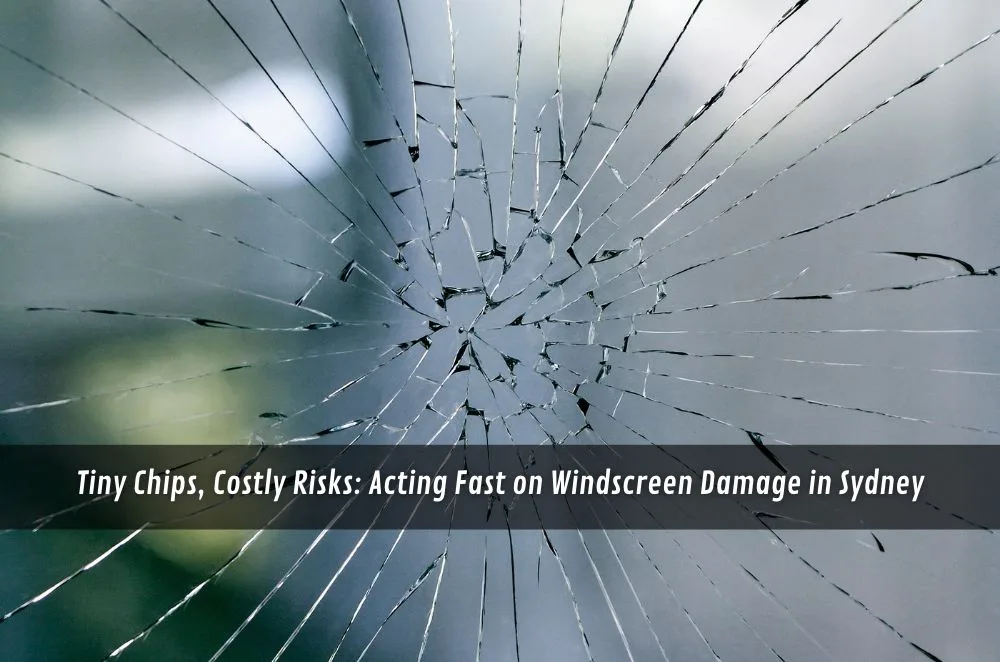
Sydney’s mix of summer heat, cool coastal nights, and never-ending roadworks gives glass a tough workout. A chip that looks harmless on Monday can spider across the screen by Friday once temperature swings and pothole jolts put the pane under stress. Acting early keeps repair simple, affordable, and compliant with rego inspections. If you’re unsure where to start, consult trusted Sydney auto glass experts for an assessment before that hairline mark turns into a crack across your line of sight.
Leaving damage until the annual pink-slip check carries real costs. Cracks longer than 75 mm can fail inspection, and replacement usually means taking the car off the road for half a day. Quick chip repair, on the other hand, often slots into a lunch break and preserves the factory seal around the windscreen frame.
Spotting Trouble Early on Busy Commutes
Sydney’s arterial routes sling debris at windscreens daily. M4 resurfacing grit, Parramatta Road truck spray, even loose aggregate on suburban shortcuts — all can chip laminated glass. Most chips fall into three shapes:
Chip ShapeTypical SizeImmediate RiskRepair WindowBull’s-eye3–10 mmLow if dry and clean1–2 weeksStar breakUp to 25 mmModerate; cracks can sprint outwardA few daysCombinationVariesHigh; multiple stress pointsAs soon as possibleLook just above the wiper line and along the passenger side edge — two spots drivers often ignore. Reflection from streetlights at dusk also reveals fine damage you may miss in daylight.
If you need a deeper dive into what a professional fix involves, our practical walkthrough on windscreen chip repair explains resin curing, polishing, and post-repair clarity standards.
Quick field check
Hold a fingernail across the chip. Feel a ridge? Moisture and dirt can already be trapped. Dry it gently with a tissue, cover it with clear tape, and book a repair. That simple move can stop staining or clouding of the resin later.
Repair or Replace? A Side-by-Side Look
Not every crack means a new screen. The table below sums up the tipping points most insurers and repairers use in 2026:
SituationUsually Repairable?Typical DowntimeNotesSingle bull’s-eye < 20 mmYes~30 minKeep area clean before arrivalStar break < 25 mm, no radiating cracksYes~45 minNeeds UV-stable resinCrack over 75 mm in driver’s viewNo3–4 hrs for full replacementWindscreen out, new sealEdge crack touching frameNo3–4 hrsStructural integrity issueMultiple chips (> 3) scatteredCase-by-case30 min–4 hrsWeigh cost vs full glassRepairs cost less because they leave the factory seal intact and avoid recalibrating ADAS cameras on newer models. Replacement becomes the safer call once damage enters the driver’s primary sight zone or edges.
The Rules Behind a Clear View
NSW roadworthy checks draw on Australian Design Rule 8. On a practical level, inspectors focus on two things: where the damage sits and how far it has spread. Cracks in the critical vision area, even tiny ones, can be a fail mark. Transport for NSW’s vehicle standards bulletin details the exact zones and measurements.
Beyond legalities, think glare. Even a well-filled chip can refract sunlight at the wrong angle, distracting the driver. That’s why reputable technicians polish the repaired spot to a smooth finish and check it under bright light before handing back the keys.
Ready to take the next step? Visit our Learn more to find out more.
Looking Ahead
Glass will always meet gravel on Sydney roads. Staying alert to fresh chips, taping them quickly, and booking timely repairs save hassle and hold resale value. More importantly, they keep your field of vision clear for the unexpected lane-changer on Parramatta Road or the rogue ball on suburban streets. A few minutes spent on early action beats the cost and downtime of a full screen swap every time.