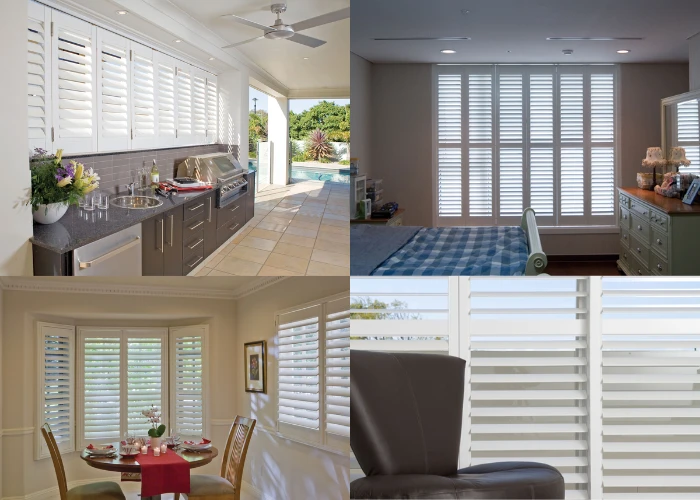
Morning sunlight pouring through the window looks brilliant, but it discloses your commitment towards maintenance and cleaning. Yes, it exposes the dirt lines and dust present on the slats. Homeowners often install timber Venetian blinds to add warmth and character to their homes, but they forget that this installation requires proper care and maintenance. Ignoring these processes allows shades to fade quickly, and the finish can start to look dull, particularly in coastal areas where humidity and salt-laden air are prevalent. There are faux-wood blinds as well, which promise easier upkeep. But they require regular cleaning and proper handling to remain immune to warping and discolouration. Understanding how these materials behave and how to maintain them makes a real difference to longevity, particularly in Australian conditions that change dramatically between seasons.
TIMBER VENETIAN BLINDS NEED MORE CARE THAN FAUX WOODEN BLINDS
Composite materials are invented in laboratories and produced in factories compared to real timber, and this is why the latter behaves completely differently. It can expand or contract due to temperature fluctuations and humidity. In regions like the Central Coast and the Northern Beaches, this movement is clearly noticeable during the humid season. Proper care is therefore necessary to keep wooden Venetian blinds looking sharp and attractive for years.
KEY DIFFERENCES BETWEEN THE TWO MATERIALS:
TIMBER VENETIAN BLINDS
● Made from natural hardwood or basswood
● Sensitive to moisture and direct water exposure
● Require gentle cleaning and occasional conditioning
● Deliver a premium, natural appearance
FAUX WOOD VENETIAN BLINDS
● Manufactured from PVC or composite materials
● Highly moisture resistant
● Handle kitchens and bathrooms better
● Require less delicate cleaning
Homeowners often choose real timber Venetian blinds for living rooms, bedrooms and home offices. Faux wooden blinds are the first choice for wet areas in a home, such as bathrooms, laundries, and kitchens.
ROUTINE CLEANING PREVENTS LONG-TERM DAMAGE
Most problems in these faux wooden and timber Venetian blinds start when proper upkeep is ignored. Dust builds up slowly, and then it becomes stubborn and very difficult to remove. Consistent cleaning is what is required to prevent these situations from emerging.
WEEKLY MAINTENANCE
Light dusting once a week keeps both materials in good condition.
USE:
● Microfiber cloth
● Feather duster
● Vacuum cleaner with soft brush attachment
You must close the blinds completely before cleaning and start working from top to bottom, so dirt doesn't settle on already cleaned slats. You should not show aggression when rubbing, as timber and faux wood surfaces can scratch easily.
MONTHLY DEEP CLEANING
Once a month, spend a few extra minutes to removing embedded dirt.
STEPS MANY PROFESSIONALS RECOMMEND:
● Close blinds fully
● Wipe each slat with a lightly damp microfiber cloth
● Dry immediately with a clean, dry cloth
● Rotate slats and repeat
Vendors always recommend not soaking timber Venetian blinds at all, as excessive moisture can result in rotting, warping and expansion and contraction. The wooden finish also weakens, and excess moisture is a major cause of timber swelling. The Australian Government's Sustainability Guide on Timber Products provides clear guidelines on the importance of protecting natural timber surfaces from prolonged moisture exposure.
HANDLING MOISTURE IN AUSTRALIAN HOMES
Humidity is the biggest enemy of timber products used in our homes, including wooden Venetian blinds. This humidity is most pronounced in coastal areas, where homes with Venetian blinds require more care and upkeep. Kitchens, bathrooms, laundry areas, etc., are always humid, and in these situations, timber Venetian blinds can be severely affected.
SIGNS OF MOISTURE DAMAGE INCLUDE:
● Slight warping of slats
● Difficulty rotating the tilt mechanism
● Finish becoming dull or patchy
TO REDUCE RISK:
● Use exhaust fans when cooking or showering
● Open windows during humid weather
● Install timber blinds away from direct water exposure
Faux wood blinds can cope far better in these spaces and in high-moisture situations. This is why designers often recommend them for bathrooms, laundry areas and kitchens.
CONDITIONING TIMBER BLINDS TO PROTECT THE FINISH
Occasional conditioning provides numerous benefits to real timber, such as restoring the protective layer and preventing the surface from drying. Therefore, timber-safe furniture polish is recommended for use a couple of times every year. Some professional tips to follow in this regard are listed below.
● Use a soft cloth, not a spray, directly on the slats
● Apply sparingly
● Buff gently to restore shine
This conditioning is more recommended for timber Venetian blinds exposed to strong sunlight and ultraviolet rays. These elements can dry out timber surfaces faster in the absence of timely protective care, according to the Housing Industry Association.
WHAT MISTAKES SHORTEN THE LIFESPAN OF WOODEN VENETIAN BLINDS?
First-time users of these timber Venetian blinds damage them without realising. They do this with mistakes committed during maintenance, and some of them are reviewed below.
USING HARSH CLEANING CHEMICALS
Strong chemical-based household cleaners or those not recommended by the vendors can strip the protective coating from timber, and due to this, the surface becomes dull really quickly. Therefore, you should stick with the following for timber venetian blinds maintenance and cleaning purposes.
● Mild detergent
● Water-damp cloth
● Furniture polish designed for timber
CLEANING WITH EXCESSIVE WATER
A fully drenched cloth used to clean wooden Venetian blinds can force moisture into the wood, and as a result, rot becomes clearly evident. Warping is also a result of leaving moisture on the surface after cleaning.
PULLING CHORDS TOO AGGRESSIVELY
● Tilt mechanisms break when people force them.
● Operate slowly and evenly.
IGNORING DUST FOR MONTHS
● Heavy dust layers scratch surfaces when wiped away.
● Routine cleaning always saves money in the long run.
WHERE TIMBER VENETIAN BLINDS PERFORM BEST?
Natural timber Venetian blinds shine in the right environment with proper upkeep and maintenance. Their appearance works beautifully in Australian interior styles, and popular locations include the following.
Living rooms
● Home offices
● Bedrooms
● Dining areas
WHERE FAUX WOODEN VENETIAN BLINDS MAKE MORE SENSE?
Maintenance considerations often influence material choice.
Faux wood options handle moisture far better, and situations where they outperform timber very easily are:
● Bathrooms with poor ventilation
● Kitchens with heavy cooking activity
● Laundry areas
● Rental properties requiring low maintenance
● They also tolerate heavier cleaning.
A damp cloth with mild detergent usually removes grease and grime quickly.
SIMPLE HABITS TO EXTEND THE LIFE OF YOUR VENETIAN BLINDS
This is a fact that maintenance alone doesn't guarantee a long life for your wooden Venetian blinds. Proper daily use and upkeep matter as much as the maintenance, and some simple habits that you can adopt to maintain them are –
● Rotate slats gently rather than forcing them
● Raise blinds fully before opening windows during strong winds
● Avoid placing furniture directly against the blinds
● Check cords occasionally for wear
FAQs
HOW OFTEN SHOULD TIMBER VENETIAN BLINDS BE CLEANED?
● Light dusting once a week works well.
● A deeper clean once a month removes stubborn dirt and maintains the finish.
CAN TIMBER VENETIAN BLINDS BE USED IN BATHROOMS?
● It is not ideal.
● High humidity can cause warping over time.
● Faux wood blinds usually perform better in bathrooms and laundries.
WHAT IS THE BEST WAY TO CLEAN WOODEN VENETIAN BLINDS?
● Use a microfiber cloth or vacuum with a brush attachment.
● For deeper cleaning, wipe with a slightly damp cloth and dry immediately.
DO TIMBER BLINDS FADE IN AUSTRALIAN SUNLIGHT?
● Direct sunlight can fade timber finishes gradually.
● Conditioning the wood occasionally protects the surface and maintains colour.
ARE FAUX WOOD BLINDS COMPLETELY MAINTENANCE-FREE?
● No blind is maintenance-free.
● Faux wood simply tolerates moisture and cleaning products better than natural timber.