
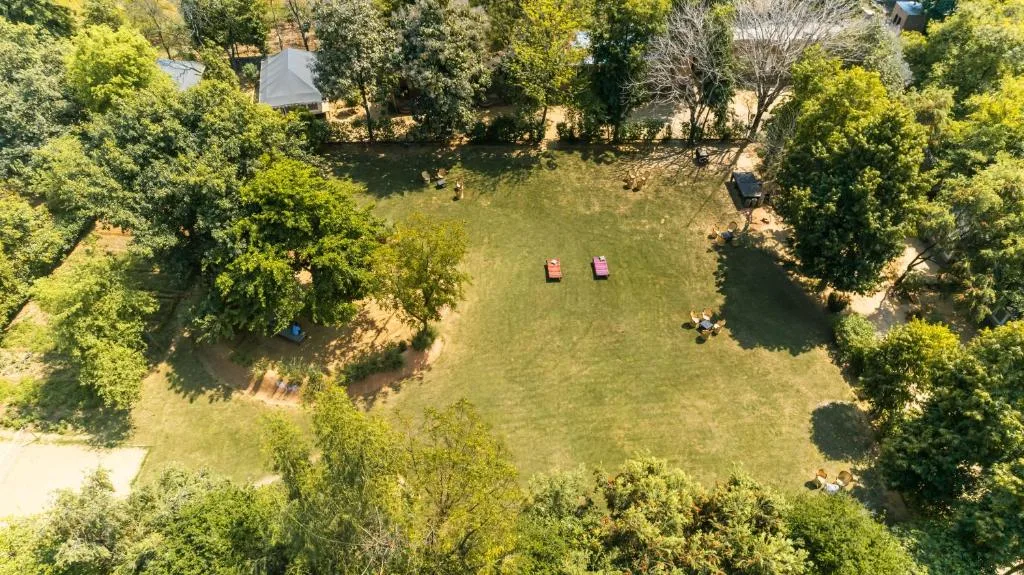
A Tiger Safari Resort can be a useful base for exploring Ranthambore, especially when your trip revolves around early safari drives, wildlife watching, and time in nature. The right stay should fit your safari schedule, travel dates, comfort needs, and plans for exploring Sawai Madhopur and Ranthambore Fort.
Why Choose Ranthambore for a Wildlife Holiday?
Ranthambore National Park is one of Rajasthan's best-known wildlife destinations. Its dry forests, rocky landscapes, lakes, ruins, and historic fort create a setting that is quite different from a typical city holiday. Rajasthan Tourism highlights tigers, crocodiles, birds, deer, and other wildlife among the sights visitors may encounter in the park.
The destination also combines wildlife with history. Ranthambore Fort stands prominently above the landscape, while ancient structures and water bodies add character to the safari setting. Lonely Planet describes the park as a large wilderness area centred around the historic fort.
For Indian travellers, this combination makes Ranthambore suitable for more than a quick safari stop. A short break can include wildlife, local history, photography, nature, and relaxed resort time.
What Makes a Good Safari Stay?
Choosing accommodation is easier when you first decide what matters most during the trip.
Consider your daily routine
Safari schedules can require an early start. Your accommodation should therefore work well with your planned departure and return times.
Before booking, check:
- Distance from your safari pickup or reporting point
- Available room or accommodation types
- Meal timings
- Transport arrangements
- Check-in and check-out policies
- Cancellation conditions
- Parking and basic guest facilities
Rajasthan Tourism advises travellers to reserve accommodation in advance because Ranthambore attracts visitors from India and overseas.
Think beyond photographs
An attractive property photograph tells you very little about practical travel arrangements. Read the accommodation details carefully and confirm anything important before making a payment.
For families, room layout and meal arrangements may matter most. Couples may prefer a peaceful setting, while solo travellers may place greater value on convenient transport and flexible planning.
Understand the Ranthambore Safari Experience
A safari is a wildlife observation trip, not a guaranteed tiger-viewing event. Animals move freely through the forest, and sightings depend on factors such as animal behaviour, weather, habitat conditions, and chance.
Condé Nast Traveller India spoke with Ranthambore guide Suraj Bai Meena about safari planning and notes that tiger sightings can vary with season, safari timing, vegetation, and water availability.
This is important when planning your expectations. A successful safari can include much more than a tiger photograph.
You may encounter:
- Spotted deer
- Sambar
- Crocodiles
- Langurs
- Birds of prey
- Peafowl
- Sloth bears
- Leopards
- Other forest wildlife
Rajasthan Tourism also points to the sounds of alarm calls, birds, and other wildlife as part of the experience.
Jeep or Canter: What Should You Know?
Safari vehicles are an important part of trip planning. Lonely Planet describes Ranthambore safaris as 4WD experiences and notes that safari access is organised through designated zones.
When comparing safari options, check the following before booking:
- Vehicle type
- Safari date
- Safari shift
- Reporting location
- Permit details
- Identification requirements
- Cancellation conditions
Do not assume that a particular vehicle guarantees a tiger sighting. The vehicle can influence comfort and group size, but wildlife remains unpredictable.
It is also worth checking current rules through official Rajasthan forest or tourism channels because safari procedures can change.
When Is the Best Time to Visit?
Rajasthan Tourism currently lists Ranthambore as open from October through June.
Your choice of travel month should depend on both weather and the type of experience you want.
October to February
These months generally offer a more comfortable climate for travellers who prefer cooler conditions. Morning safari drives can still feel chilly, so carrying a light jacket is useful.
March to May
The weather becomes hotter, but wildlife behaviour and visibility can change as temperatures rise and water sources become important. Condé Nast Traveller India's safari guide identifies March to May as a period that can be useful for tiger sightings, while stressing that sightings remain unpredictable.
June
June can be hot, so travellers should check current park operations and weather conditions before planning their trip.
Always confirm the current opening dates and safari availability before booking non-refundable travel arrangements.
Plan More Than One Safari
If wildlife is the main purpose of your trip, consider planning more than one safari rather than relying on a single drive.
A tiger may remain hidden during one visit and appear during another. National Geographic's guidance on tiger viewing also stresses patience and recommends spending several days when possible because wildlife does not appear on demand.
Multiple drives also give you opportunities to experience different landscapes and observe different species.
A practical approach is to leave enough space in your itinerary for:
- One or more morning drives
- An afternoon or evening drive
- Rest between activities
- A fort or cultural visit
- Flexible travel time
This is often more enjoyable than trying to fit every activity into one tightly packed day.
A Resort Should Match Your Travel Style
The accommodation you choose should reflect how you actually want to spend your holiday.
Families may need comfortable rooms, convenient meals, and enough downtime between activities. Couples may prefer a quieter environment where they can enjoy the surroundings without rushing from one attraction to another.
Solo travellers often benefit from simple logistics. Easy communication with the property, clear safari arrangements, and straightforward transport can reduce unnecessary planning.
For travellers interested in tented accommodation, cottages, or a nature-focused stay, compare the facilities and policies of individual properties rather than assuming every resort offers the same experience.
Tiger Machan is one example of a Ranthambore accommodation brand travellers may come across when researching stays; its website provides property-specific information that should be checked directly before booking. Tiger Machan.
Don't Miss Ranthambore Fort
A wildlife holiday does not have to begin and end with safari.
Ranthambore Fort is one of the destination's major historical attractions. Lonely Planet notes the fort's 10th-century origins and its position within the surrounding national park landscape.
The fort adds a cultural side to the trip and can be especially useful for families or companions who want something different from a wildlife drive.
A simple itinerary could include a safari in the morning, a relaxed afternoon, and a fort visit when your schedule allows. Check current access arrangements and local conditions before setting out.
What Travel Publications Say About Ranthambore
Ranthambore has received regular coverage from established travel publications because of its combination of wildlife and history.
Lonely Planet includes Ranthambore among Rajasthan's notable attractions and describes it as a popular destination for tiger safaris.
Condé Nast Traveller India has also published practical safari guidance covering timing, permits, accommodation, and factors that can affect wildlife viewing.
National Geographic has featured Ranthambore in its coverage of India's tiger habitats and highlights the patience required when looking for wild tigers.
These sources can help with general trip research, while official Rajasthan tourism and forest sources should be used for current operational information.
Practical Packing Tips
Packing for Ranthambore is mostly about comfort and changing outdoor conditions.
Useful things to carry
- Comfortable walking shoes
- Light cotton clothing
- Warm layers for cooler mornings
- Sunglasses
- Sun protection
- Hat or cap
- Reusable water bottle
- Binoculars
- Camera and spare battery
- Personal medicines
- Small backpack
Avoid carrying unnecessary items on safari. A compact bag is easier to manage inside a vehicle.
If photography is important, a camera with a suitable zoom lens can help. Still, good wildlife photography depends as much on patience and observation as it does on equipment.
Common Mistakes to Avoid
Expecting a guaranteed tiger sighting
A wild animal cannot be scheduled. Even experienced guides cannot promise that a tiger will appear during a particular drive.
Choosing accommodation only by price
A lower room price may not represent the overall value of the stay. Compare location, facilities, meal arrangements, and transport needs.
Ignoring safari reporting times
Early departures can affect your breakfast plans, sleep schedule, and transport arrangements. Confirm timings before your travel day.
Packing only for daytime heat
Ranthambore weather varies by season, and safari mornings can feel considerably cooler than afternoons.
Making the itinerary too crowded
Allow time for rest. Wildlife trips often begin early, so a relaxed afternoon can make the next safari more enjoyable.
How to Plan a Short Ranthambore Trip
A two-night stay can work for travellers with limited time.
Day 1:
Travel to Sawai Madhopur, check in, rest, and keep the evening relaxed.
Day 2:
Take a morning safari, return for breakfast, rest during the afternoon, and consider a cultural or sightseeing activity later.
Day 3:
Take another safari if your schedule and availability allow, then check out and continue your journey.
Travellers with more time can add another night. This gives you greater flexibility for additional safari drives and reduces the pressure to complete everything in a short window.
Lonely Planet recommends staying overnight in the area when planning dawn safari experiences, particularly for travellers arriving from Jaipur.
Responsible Wildlife Travel Matters
Ranthambore is a protected wildlife landscape, so visitors should respect the rules designed to protect animals and their habitat.
Follow instructions from forest officials and safari guides. Keep noise low, never feed wildlife, do not throw waste, and avoid trying to attract animals for photographs.
Responsible behaviour also means accepting that the forest operates on its own schedule. Waiting quietly and observing smaller details can be just as rewarding as seeing a large predator.
The aim should be to observe wildlife without disturbing it.
Conclusion
A good Ranthambore holiday is built around realistic safari expectations, sensible accommodation planning, comfortable travel, and enough time to enjoy the destination beyond one wildlife sighting. Before choosing Ranthambore Resorts, compare location, accommodation, safari logistics, season, and your own travel priorities so your stay works smoothly from arrival to departure.
FAQs
How many days are enough for a Ranthambore safari trip?
Two nights can work for a short visit, while three or more nights provide greater flexibility for multiple safaris, sightseeing, and rest.
Is one safari enough to see a tiger?
There is no guarantee. Wildlife sightings depend on animal movement, habitat, weather, timing, and chance. More safari drives can provide more opportunities for observation.
What should I wear on a Ranthambore safari?
Wear comfortable clothing suitable for the season. Carry an extra warm layer during cooler months, especially for early morning drives.
Is Ranthambore suitable for families?
Yes. Families can combine wildlife drives with historical sightseeing and relaxed time at their accommodation. The best choice depends on children's ages and your preferred travel pace.
Should I book accommodation in advance?
Advance booking is sensible, especially during busy travel periods. Rajasthan Tourism recommends making reservations ahead of time because of the park's popularity.