A Diamond Shaped Before Modern Precision
Long before lasers, computer modeling, and strict mathematical formulas defined diamond cutting, gemstones were shaped entirely by hand. Old European Cut Diamonds come from this earlier period of craftsmanship. Created primarily between the late nineteenth and early twentieth centuries, these stones reflect a time when skill, experience, and visual judgment guided every facet.
Unlike modern round brilliant diamonds that are optimized for maximum sparkle under bright lighting, Old European Cuts were designed for candlelight and softer indoor illumination. Their proportions and structure were intentionally crafted to glow warmly rather than flash intensely.
Understanding What Defines an Old European Cut
Old European Cut Diamonds are round in shape and are considered the predecessor to today’s modern round brilliant cut. However, despite their similar outline, their internal structure differs significantly.
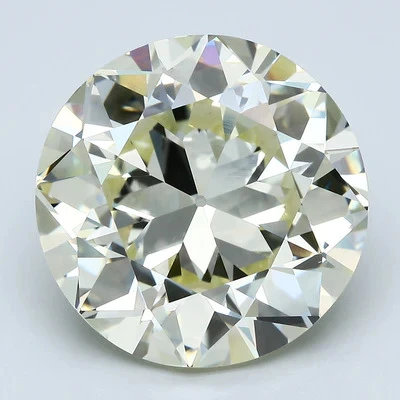
These diamonds typically feature a smaller table, which is the flat surface at the top of the stone. They also have a higher crown and deeper overall proportions. One of the most recognizable features is the visible culet, a small facet at the bottom tip of the diamond that can often be seen when looking at the stone from above.
Because each diamond was cut by hand, no two are perfectly identical. Slight variations in symmetry and facet alignment are common and are considered part of their antique character.
Designed for a Different Type of Light
Lighting conditions in the late 1800s and early 1900s influenced how these diamonds were cut. During that era, most spaces were illuminated by candles and gas lamps rather than electric lights. As a result, cutters aimed to create stones that produced broader flashes of light in dim environments.
Instead of sharp, rapid sparkle, Old European Cut Diamonds emit slower, softer flashes. Many people describe their appearance as romantic or glowing. This distinctive light performance is one of the main reasons collectors and vintage jewelry lovers seek them out today.
The Evolution of Diamond Cutting
Old European Cuts represent a transitional stage in the history of diamond cutting. They evolved from earlier styles such as the Old Mine Cut, which was more cushion shaped. As techniques improved and rounder stones became desirable, cutters refined their methods, leading to the Old European style.
In the early twentieth century, scientific research on light reflection transformed the industry. Mathematical models were developed to maximize brilliance, eventually leading to the modern round brilliant cut. As machine precision replaced hand cutting, Old European Cuts gradually disappeared from large scale production.
Because they are no longer made in significant quantities, existing stones are considered limited in supply.
Evaluating the 4Cs in Antique Diamonds
The traditional 4Cs carat, color, clarity, and cut still apply when assessing Old European Cut Diamonds, but they should be viewed with historical context. Carat weight can sometimes be misleading because many antique diamonds are deeper than modern stones. While they may weigh the same, they can appear slightly smaller from the top view. Always compare both carat weight and millimeter measurements. Color grades in antique diamonds often lean warmer. Shades such as J or K are common and can complement vintage style settings beautifully. Rather than diminishing appeal, this warmth can enhance authenticity.
Clarity grades like VS or SI are frequently found in Old European Cuts. Minor inclusions are typical for hand cut stones and often do not affect their overall beauty when set in jewelry.
Cut quality is evaluated differently. Modern cut grading systems focus on precise light performance metrics. For antique stones, overall balance, brightness, and visual charm matter more than strict symmetry.
Why Buyers Continue to Choose Them
There are several reasons why Old European Cut Diamonds remain desirable.
First, they offer historical authenticity. Each stone represents a piece of craftsmanship from over a century ago. Owning one means preserving part of jewelry history.
Second, they provide individuality. Because they were cut by hand, subtle variations give each diamond a unique personality.
Third, they appeal to those seeking sustainability. Purchasing an antique diamond does not create demand for new mining, making it an environmentally conscious choice.
Finally, their rarity contributes to long term desirability. Since production largely ended many decades ago, well preserved examples are limited.
Tips for Purchasing an Old European Cut Diamond
When shopping for one of these diamonds, start by examining detailed photographs or videos. Look for balanced proportions and appealing light reflection. Because each stone differs slightly, viewing multiple examples can help you determine your preference.
Review grading reports carefully, especially those issued by respected laboratories such as the Gemological Institute of America. Certification provides transparency regarding carat weight, color, and clarity. Consider the setting as well. Antique inspired mountings often enhance the character of these diamonds, though they can also create beautiful contrast in modern minimalist designs.
Working with a jeweler who specializes in antique diamonds can make the buying process more confident and informed.
Caring for an Antique Diamond
Although diamonds are extremely durable, proper care ensures longevity. Clean gently using warm water, mild soap, and a soft brush. Avoid harsh chemicals that may damage older metal settings. Store pieces separately to prevent scratches and schedule occasional professional inspections to ensure prongs remain secure. With proper maintenance, Old European Cut Diamonds can continue shining for generations.
A Timeless Expression of Craftsmanship
Old European Cut Diamonds stand apart from modern stones not because they are more brilliant, but because they are different. Their softer sparkle, visible culet, and handcrafted proportions reflect a period when artistry shaped every decision.
For buyers who value history, individuality, and romantic elegance, these diamonds offer something truly meaningful. They are not simply gemstones. They are preserved pieces of craftsmanship from another era, still luminous in the present day.