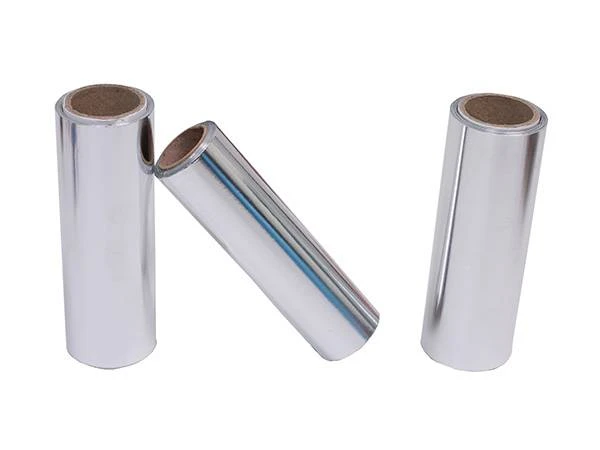
The silver roll found in almost every kitchen drawer is a testament to human engineering. Household aluminum foil is perhaps one of the most undervalued tools in the modern home. While its primary purpose is often seen as wrapping sandwiches or covering leftovers, its utility extends far beyond food preservation into cleaning, cooking, and even household repairs.
At its core, household aluminum foil is a specialized version of aluminum foil designed for flexibility and ease of use. It is produced through a process of rolling large aluminum slabs until they reach the desired thickness, followed by annealing to make the metal pliable. The result is a material that is moisture-proof, odor-proof, and grease-proof.
In the kitchen, the use of household aluminum foil for "foil packet" cooking has become a favorite among health-conscious chefs. By sealing fish, chicken, or vegetables inside a foil pouch, the food steams in its own juices, preserving nutrients and flavors without the need for excess oil. Moreover, it protects food from the direct flame of a grill, preventing the charring that can sometimes lead to the formation of carcinogens.
Beyond cooking, the abrasive yet soft nature of crumpled aluminum foil makes it an excellent cleaning tool. It can be used to scrub stubborn burnt-on food from glass casserole dishes or cast-iron skillets without the harsh scratching that steel wool might cause. In the laundry room, a balled-up piece of foil tossed into the dryer can help reduce static electricity in clothes, acting as a reusable alternative to dryer sheets.
Furthermore, the thermal properties of household aluminum foil make it a handy tool for home maintenance. For instance, placing a sheet of foil behind a radiator can reflect heat back into the room rather than allowing it to be absorbed by the wall. In the garden, small strips of foil can be hung from fruit trees to deter birds, as the flickering reflection of the sun mimics the eyes of predators.
The beauty of household aluminum foil lies in its simplicity and accessibility. It is a material that responds to the creativity of the user. Whether it is being used to sharpen scissors (by cutting through multiple layers of foil) or to protect doorknobs from paint during a home DIY project, it remains a quintessential example of how a single industrial product can solve a multitude of everyday problems.