
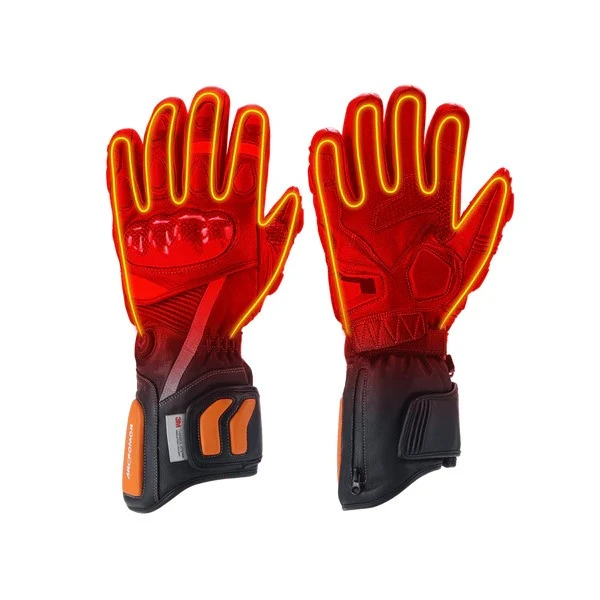
Riding in winter presents unique challenges, from biting winds to freezing temperatures that can make handling a motorcycle, bicycle, or even a horse uncomfortable and unsafe. Ensuring proper hand protection is crucial for maintaining control and dexterity in cold conditions. In this guide, we delve deep into everything you need to know about winter riding gloves—what makes them effective, how to choose the best pair, and why investing in high-quality gloves can significantly enhance your winter riding experience.
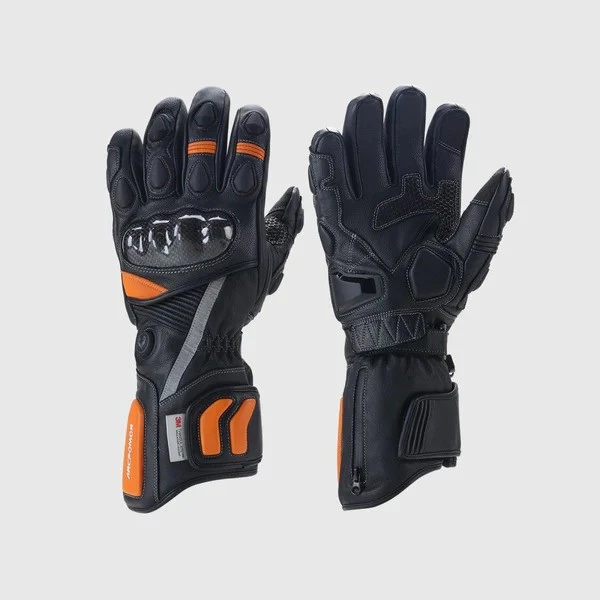
Why Winter Riding Gloves Are Essential
Winter riding gloves are not just about comfort—they are a safety necessity. When temperatures drop, exposure to cold air can cause numbness and stiffness, reducing your ability to grip handlebars, control levers, or manage reins effectively. In extreme conditions, prolonged exposure can even lead to frostbite.
Protection Against the Elements
The primary function of winter riding gloves is to shield your hands from cold, wind, and moisture. A well-insulated pair will maintain warmth while allowing sufficient airflow to prevent excessive sweating.
Enhanced Grip and Dexterity
Unlike regular gloves, high-quality winter riding gloves are designed with special materials that enhance grip even in wet or icy conditions. Non-slip palm coatings and strategically placed reinforcements improve handling, making your ride safer and more enjoyable.
Improved Safety on the Road or Trail
A solid grip is essential when navigating through slippery roads, muddy trails, or snowy landscapes. Gloves designed for winter riding incorporate anti-slip technology, ensuring that your control remains intact despite the weather conditions.
Key Features of the Best Winter Riding Gloves
1. Insulation for Maximum Warmth
The effectiveness of winter gloves largely depends on the insulation type. Some of the best options include:
- Thinsulate™ insulation: Known for its lightweight warmth without bulk.
- PrimaLoft® insulation: Retains heat even when wet.
- Fleece or wool lining: Offers natural warmth and moisture-wicking properties.
2. Waterproof and Windproof Layers
Gloves with GORE-TEX® membranes or similar waterproofing technology ensure that your hands stay dry even in rain or snow. A windproof layer further prevents icy air from seeping in.
3. Touchscreen Compatibility
Modern winter riding gloves often come with touchscreen fingertips, allowing you to use your smartphone or GPS device without removing them.
4. Adjustable Cuffs and Secure Fit
A proper fit is crucial for warmth and comfort. Elastic cuffs, Velcro straps, or drawstring closures help keep cold air out and ensure a snug fit.
5. Breathability to Prevent Sweat Buildup
While insulation is important, breathability ensures that your hands don’t overheat. Many premium gloves feature moisture-wicking inner linings to keep hands dry and comfortable.
How to Choose the Right Winter Riding Gloves
Selecting the perfect pair requires considering your specific needs and the type of riding you do. Here’s a step-by-step guide:
1. Determine Your Riding Style
- Motorcyclists: Need armored gloves with high abrasion resistance.
- Cyclists: Benefit from lightweight, windproof gloves that offer flexibility.
- Equestrians: Require leather-reinforced gloves for a strong grip on reins.
2. Check the Insulation Rating
For extreme cold, opt for gloves with a high insulation rating (200g or more). If you ride in mild winter conditions, a 100g insulation glove should suffice.
3. Ensure Proper Fit and Comfort
A loose glove won’t retain heat effectively, while a tight glove will restrict movement. Measure your hand circumference and compare it with the manufacturer’s sizing chart.
4. Look for Durability and Reinforced Areas
Gloves with extra reinforcement in high-wear areas, such as palms and fingertips, tend to last longer and provide better protection.
Tips to Maintain and Extend the Lifespan of Your Gloves
To get the most out of your winter riding gloves, proper maintenance is key:
- Regular Cleaning: Follow manufacturer guidelines—some gloves are machine washable, while others require hand washing.
- Dry Properly: Avoid direct heat sources like radiators; instead, air-dry gloves to prevent material damage.
- Store in a Dry Place: Keeping gloves in a moisture-free environment prevents mold and odor buildup.
- Apply Waterproofing Sprays: If your gloves aren’t waterproof, a water-repellent spray can enhance protection.
The Future of Winter Riding Gloves: Technological Innovations
The market for winter riding gloves is constantly evolving, with new technologies enhancing comfort and performance. Some exciting innovations include:
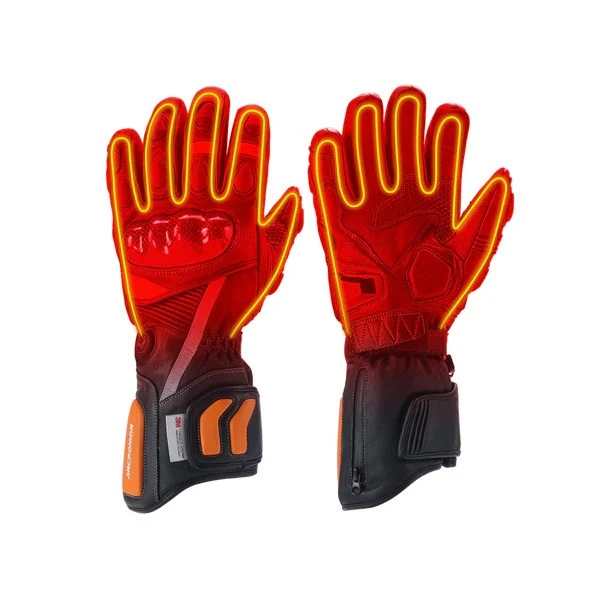
- Heated Gloves: Integrated battery-powered heating elements provide warmth in extreme cold.
- Smart Sensors: Some high-tech gloves feature temperature control sensors that adjust heat levels automatically.
- Eco-Friendly Materials: Sustainable options using recycled fabrics and biodegradable insulation are becoming increasingly popular.
Conclusion
Investing in the right pair of winter riding gloves is essential for comfort, safety, and performance during colder months. By considering insulation, waterproofing, grip, and durability, you can find the perfect gloves tailored to your specific riding needs. Whether you’re a motorcyclist, cyclist, or equestrian, high-quality gloves will keep your hands warm, protected, and ready for any winter adventure.
For the best selection of premium winter riding gloves, explore our latest offerings and experience the difference in warmth, comfort, and durability.