Furnishing a home is an exciting opportunity to create a space that reflects your personality, lifestyle and everyday requirements. Whether you have recently moved into a property, are renovating an existing home or simply want to replace outdated furniture, making informed purchasing decisions can help you achieve better results.
Barnstaple, located in North Devon, provides a convenient location for homeowners looking to explore furniture options for their living rooms, dining areas and bedrooms.
However, finding the right furniture involves more than choosing attractive designs. Quality, comfort, functionality, available space and long-term value should all influence your decision.
This guide explores the essential considerations when buying furniture in Barnstaple.
1. Identify Your Furniture Requirements
Before visiting furniture showrooms, create a clear understanding of what your home needs.
Consider which rooms require updating and which existing pieces you intend to keep. This will help you avoid unnecessary purchases and create a more consistent interior design.
For example, a living room renovation might require a comfortable sofa, an occasional chair, a coffee table and additional storage. A dining room project may focus on finding a suitable dining table, chairs and a sideboard.
Searching for a furniture warehouse in Barnstaple can help you explore different furniture styles and compare options for multiple rooms.
Having a clear shopping list also makes it easier to manage your budget and prioritise essential purchases.
2. Measure Your Rooms Before Shopping
Furniture that looks perfectly proportioned inside a showroom may appear considerably larger when placed inside your home.
Before purchasing anything, measure your available floor space, wall lengths and ceiling height where relevant.
Pay particular attention to doorways, staircases, radiators and windows. These features can influence both furniture placement and delivery accessibility.
If you are buying a sofa, measure the space available around it to ensure people can move comfortably through the room.
For dining furniture, allow sufficient clearance for chairs to be pulled out without obstructing nearby cupboards or walkways.
Using masking tape to outline furniture dimensions on your floor can provide a useful visual guide before committing to a purchase.
3. Prioritise Furniture Quality
Quality furniture should provide reliable functionality while maintaining its appearance through regular use.
When evaluating wooden furniture, inspect the construction, joints, surface finish and stability. Solid wood, engineered wood and veneers each have different characteristics, so it is important to understand what you are purchasing.
For upholstered furniture, examine the fabric, stitching, cushioning and frame construction.
Open drawers and cupboards to check that they operate smoothly. Test tables and chairs for stability, and ask about recommended maintenance procedures.
Although higher prices do not automatically guarantee better quality, carefully constructed furniture may offer greater long-term value than pieces selected solely because of their low cost.
4. Choose the Right Sofa for Your Living Room
The sofa is often the most frequently used piece of furniture in a living room. It should provide appropriate comfort while complementing your available space and interior style.
When comparing sofas, consider seat depth, back support, armrest height, upholstery and overall dimensions.
Families may prefer practical fabrics that are relatively easy to maintain, while individuals seeking additional relaxation might consider manual or electric recliner designs.
Visiting sofa shops in Barnstaple provides an opportunity to compare different seating configurations, materials and comfort levels before deciding.
Where possible, sit on a sofa for several minutes rather than judging comfort through a quick initial impression.
Consider how the sofa will be used by different household members, including children, older adults and guests.
5. Select Dining Furniture That Matches Your Lifestyle
Dining furniture should accommodate both everyday meals and occasional gatherings.
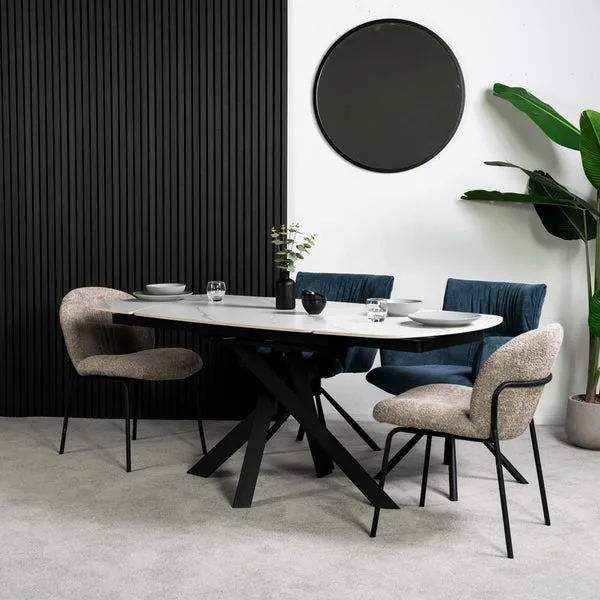
For smaller households, a compact dining table may provide sufficient space without dominating the room. Larger families or homeowners who frequently entertain may benefit from an extendable design.
Wooden dining tables introduce natural warmth and character, while ceramic, glass and marble-effect surfaces can complement contemporary interiors.
Dining chairs should provide appropriate comfort, stability and sufficient legroom beneath the table.
Consider whether upholstered chairs, wooden seating or dining benches would best suit your household's needs.
A carefully planned dining area can support everything from family meals to celebrations, homework and informal working arrangements.
6. Create a Consistent Interior Style
A well-furnished home does not necessarily require matching furniture throughout every room. However, maintaining consistency in colours, materials or design influences can create a more harmonious environment.
Many homes across North Devon lend themselves to natural materials, understated colours and comfortable interiors.
Coastal-inspired styling may incorporate lighter wood tones, neutral upholstery and soft blue or green accessories. Traditional interiors can benefit from oak furniture, warm colours and textured fabrics.
Contemporary homes may suit clean lines, ceramic surfaces, darker metal accents and minimalist storage solutions.
Choose furniture that complements your property's architecture while reflecting your personal preferences rather than following short-lived trends.
7. Set a Realistic Furniture Budget
Establishing a budget before visiting furniture stores helps you make more considered decisions.
Divide your available budget according to priority. Frequently used furniture, such as sofas, dining tables and beds, may justify a greater proportion of your spending.
Remember to account for additional expenses, including delivery, assembly and furniture care products where necessary.
Clearance collections and seasonal promotions can offer opportunities to purchase furniture at reduced prices. However, check the condition, dimensions, warranty coverage and returns policy before committing.
Avoid allowing discounts alone to determine whether a piece of furniture is suitable for your home.
8. Understand Delivery and After-Sales Support
Before completing your purchase, ask about delivery arrangements and estimated timescales.
Larger furniture pieces may require additional planning, particularly if your property has narrow entrances or restricted parking.
Check whether assembly is included, whether packaging will be removed and what happens if an item arrives damaged.
Understanding warranty coverage and returns policies is equally important.
Keep your order confirmation, care instructions and relevant purchase documents in case you need assistance after delivery.
Final Thoughts
Buying quality furniture in Barnstaple becomes easier when you approach the process with a clear plan.
Start by identifying your requirements, measuring your rooms and establishing a realistic budget. Compare materials, construction and comfort before making a final decision.
By focusing on long-term practicality rather than appearance alone, you can create a comfortable, functional and attractive home.
The best furniture choices are those that complement your lifestyle, provide lasting value and make your living environment more enjoyable every day.