
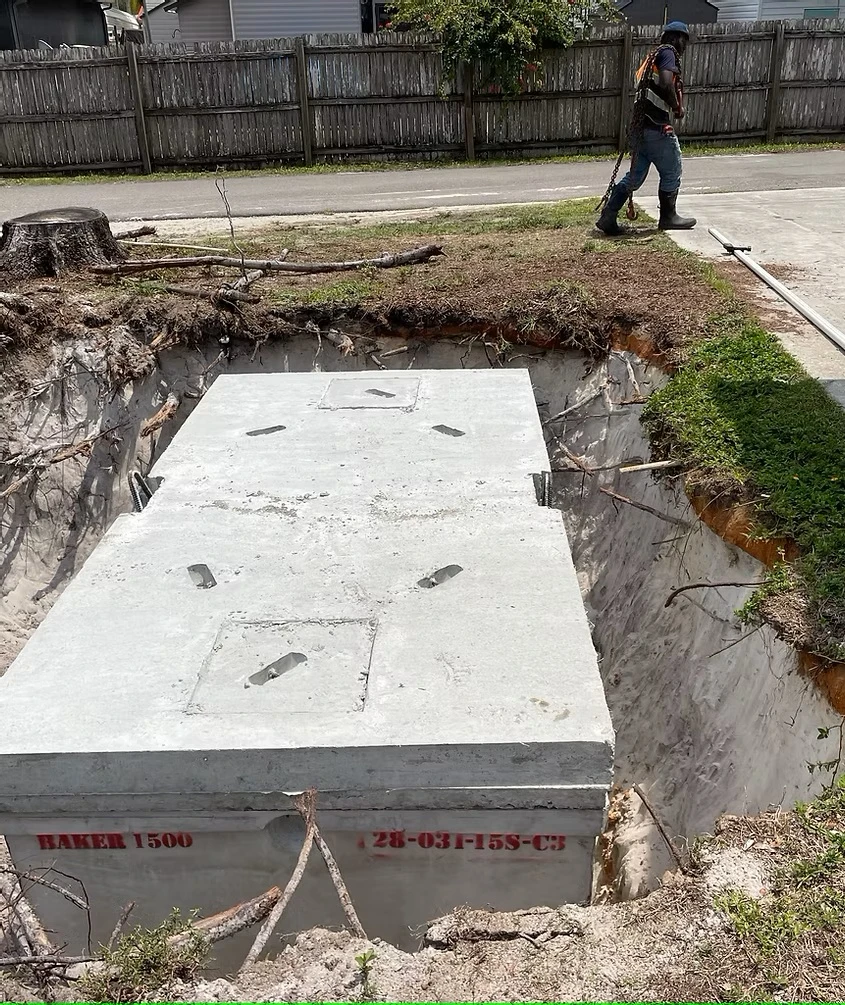
Proper waste management is crucial for residential and commercial properties alike. Two critical services that help prevent backups, odors, and costly repairs are septic tank cleaning and grease trap pumping. When neglected, both systems can lead to serious health and environmental issues. Understanding their function, maintenance schedules, and warning signs can save you time and money in the long run.
Understanding the Basics of Septic Tank Cleaning and Grease Trap Pumping
Wastewater treatment doesn’t end when it leaves your sink or toilet. It’s the beginning of a crucial process managed behind the scenes by septic tanks and grease traps. Each system has its own role in waste separation and treatment.
Septic tanks are common in rural or off-grid areas, collecting household wastewater and separating solids from liquids. Over time, sludge builds up and must be removed to keep the tank functional.
Grease traps, often found in restaurants and commercial kitchens, capture fats, oils, and grease (FOG) before they enter the plumbing system. Without regular pumping, they clog pipes and create nasty backups.
Why Septic Tank Cleaning Matters
Regular septic tank cleaning ensures that sludge doesn’t overflow into the drain field, causing system failure. Here are a few reasons why consistent cleaning is non-negotiable:
- Avoid drain backups and slow-draining sinks or toilets
- Prevent contamination of local soil and water sources
- Extend the life of your septic system
- Save money on major repairs or replacements
Typically, a household septic tank needs professional cleaning every 3–5 years. However, this can vary depending on usage, household size, and tank size.
Grease Trap Pumping: An Essential Task for Businesses
For commercial kitchens, grease trap pumping is a legal and operational necessity. Grease traps can quickly fill with FOG, solidifying and blocking wastewater flow. Consequences of ignoring maintenance include:
- Foul odors permeating the kitchen and dining areas
- Health code violations and potential business closures
- Plumbing emergencies and expensive downtime
- Increased pest activity, including rats and cockroaches
Best practice involves pumping the grease trap every 1 to 3 months, depending on the volume of cooking and the trap’s capacity.
Conclusion: Don’t Ignore Septic and Grease System Maintenance
Whether you manage a home or a business, regular septic tank cleaning and grease trap pumping are vital to your plumbing system's health. Proactive maintenance prevents disasters, promotes hygiene, and helps the environment. Create a service schedule and stick to it—it’s one of the smartest long-term investments you can make for your property.
FAQs
Q1: How do I know when my septic tank needs cleaning?
A1: Watch for slow drains, sewage odors, pooling water near the drain field, or gurgling pipes—these are all signs your tank is full.
Q2: Can I clean my septic tank or grease trap myself?
A2: It's not recommended. These systems require professional equipment and proper disposal methods to meet local regulations.
Q3: What happens if I don’t pump my grease trap?
A3: Neglecting grease trap pumping can lead to clogs, backups, health violations, and plumbing damage.
Q4: How much does septic tank cleaning cost?
A4: Costs vary by region and tank size but typically range from $200 to $600. Regular maintenance is always more cost-effective than emergency repairs.
Q5: Are there eco-friendly ways to maintain these systems?
A5: Yes, reducing chemical usage, avoiding pouring grease down the drain, and using septic-safe products all help extend the life of your system.