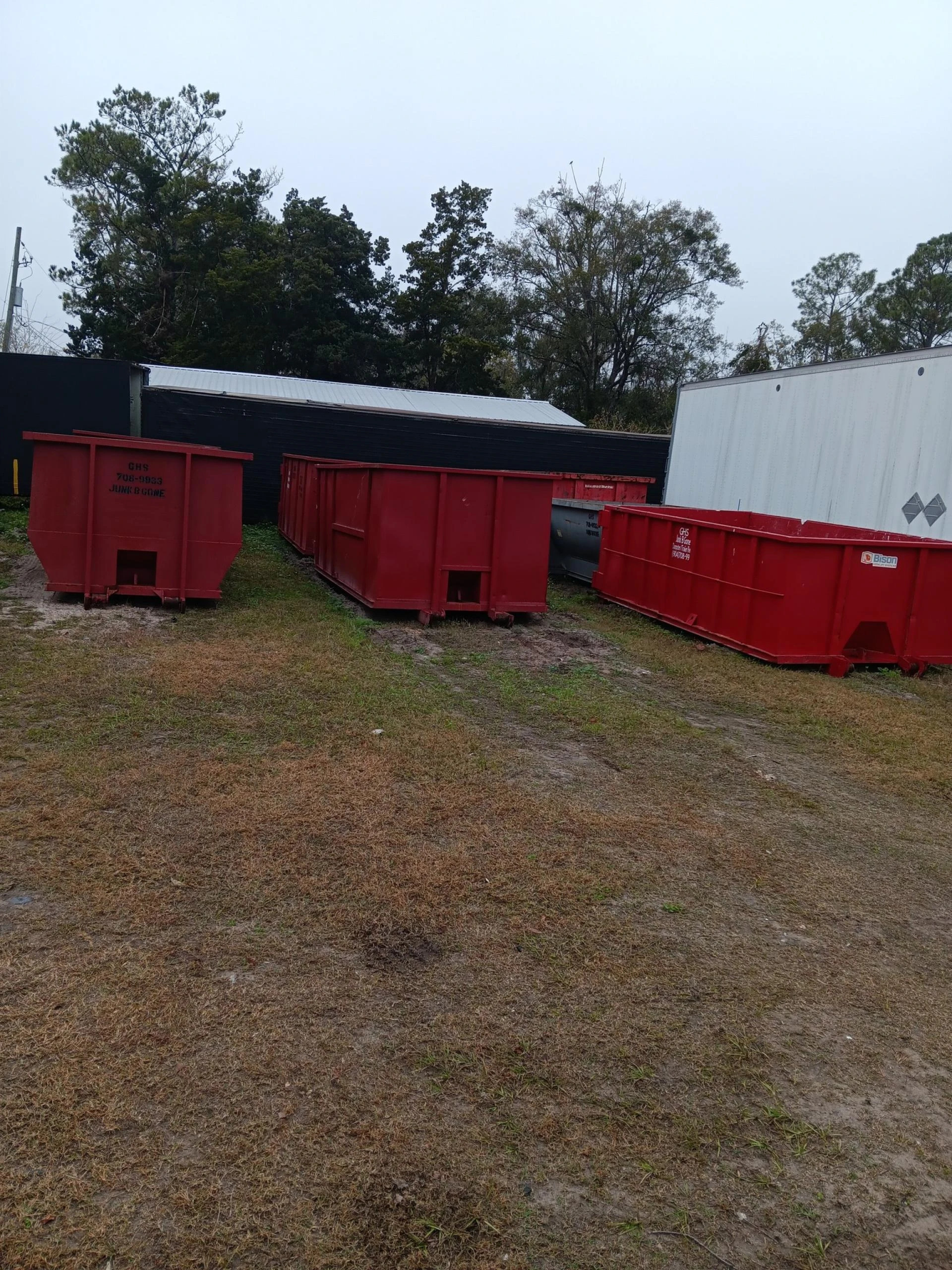
Demolition is a critical part of construction and renovation projects, yet it is often misunderstood. While it might seem as simple as tearing down a structure, demolition involves careful planning, specialized equipment, and strict safety protocols. Whether you’re a property owner, contractor, or construction enthusiast, understanding the intricacies of demolition can save time, money, and prevent accidents.
What is Demolition?
Demolition refers to the process of dismantling, destroying, or removing a building, structure, or part of a structure. Unlike construction, which focuses on creating, demolition emphasizes safe and controlled destruction. There are different types of demolition, including manual demolition, mechanical demolition, and selective demolition.
- Manual Demolition: This involves workers physically tearing down walls, ceilings, or floors using hand tools like sledgehammers, crowbars, and chisels. It is labor-intensive but allows for precise removal of materials.
- Mechanical Demolition: This method employs heavy machinery such as excavators, bulldozers, or wrecking balls. It is faster and ideal for large-scale demolitions.
- Selective Demolition: Sometimes, only specific parts of a building need removal. Selective demolition is used in renovations where preserving certain sections is essential.
Importance of Planning in Demolition
Before any demolition work begins, careful planning is crucial. A poorly planned demolition can lead to safety hazards, environmental damage, and unnecessary costs. Planning includes:
- Site Assessment: Evaluating the structure to identify potential hazards like asbestos, lead paint, or weak foundations.
- Permits and Regulations: Many regions require permits and adherence to local building codes before demolition. Ignoring these can result in fines or legal issues.
- Safety Measures: Establishing safety protocols such as protective gear, fire extinguishers, and first-aid stations is essential.
- Waste Management: Proper disposal or recycling of materials reduces environmental impact and may save money.
Tools and Equipment Used in Demolition
Demolition requires specialized tools depending on the scale and type of work. For small projects, hand tools like hammers, pry bars, and saws are sufficient. Larger projects often utilize heavy machinery like hydraulic excavators, bulldozers, and wrecking balls. Additionally, advanced equipment like high-reach excavators and robotic demolition machines are increasingly popular for complex demolitions.
Using the right tools ensures efficiency, reduces labor time, and minimizes the risk of accidents. For instance, high-reach excavators allow workers to dismantle tall structures safely from a distance, reducing the chance of falling debris injuries.
Safety Considerations in Demolition
Demolition is inherently dangerous. According to industry statistics, accidents during demolition often occur due to falling materials, improper handling of equipment, or exposure to hazardous substances. To ensure safety:
- Workers must wear personal protective equipment (PPE) such as helmets, gloves, goggles, and steel-toed boots.
- Hazardous materials like asbestos and lead should be handled by certified professionals.
- Clear communication between workers is essential to coordinate movements and prevent accidents.
- Surrounding areas should be cordoned off to prevent unauthorized entry.
Following safety protocols not only protects workers but also avoids project delays and legal complications.
Environmental Impact of Demolition
Demolition generates a significant amount of waste, including concrete, metals, wood, and plastics. Improper disposal can harm the environment. To mitigate this:
- Recycling materials like metals and wood reduces landfill use.
- Concrete can be crushed and reused as aggregate in new construction.
- Hazardous waste should be treated and disposed of according to local regulations.
Adopting environmentally friendly demolition practices is not only responsible but can also reduce costs and attract eco-conscious clients.
Benefits of Professional Demolition Services
While DIY demolition might seem cost-effective, professional demolition services offer numerous advantages. Experienced companies have the knowledge, tools, and safety protocols to complete projects efficiently. They also ensure compliance with regulations and manage waste responsibly. Hiring professionals can save property owners from legal troubles, costly mistakes, and potential injuries.
Conclusion
Demolition is far more than just tearing down walls. It is a highly organized, safety-conscious, and environmentally mindful process. Whether for renovation, construction, or clearing unsafe structures, proper planning, professional expertise, and adherence to safety standards are essential. By understanding the fundamentals of demolition, property owners and contractors can ensure a smooth, efficient, and safe project from start to finish.