When it comes to skincare, few products are as essential as sunblock. It acts as a shield against harmful ultraviolet (UV) rays that cause premature aging, sunburn, hyperpigmentation, and even skin cancer. Yet, despite its importance, many people still struggle to find the right product that matches their unique skin type. The good news? With the right knowledge, you can choose a sunblock that not only protects but also supports your skin’s health and appearance. This ultimate guide will help you navigate the world of sun protection and find the best Sunblock for All Skins.
Why Sunblock Matters
Before diving into skin types, let’s clarify why sunblock is so vital. The sun emits two types of UV rays that affect the skin:
- UVA rays: Penetrate deep into the skin, causing long-term damage such as wrinkles and loss of elasticity.
- UVB rays: Primarily responsible for sunburns and play a key role in the development of skin cancer.
A high-quality sunblock protects against both, which is why dermatologists recommend using it daily—even on cloudy days or indoors, since UVA rays can penetrate windows. Regular use ensures healthier, more youthful skin over the long term.
Understanding Sunblock Basics
To choose the right sunblock, it helps to understand a few terms you’ll find on product labels:
- SPF (Sun Protection Factor)
- SPF measures how well a product protects against UVB rays. For example, SPF 30 blocks around 97% of UVB rays, while SPF 50 blocks about 98%. The difference may seem small, but higher SPF can be crucial for sensitive or sun-exposed skin.
- Broad-Spectrum Protection
- Look for sunblock labeled as “broad spectrum.” This means it shields against both UVA and UVB rays.
- Physical vs. Chemical Sunblock
- Physical (mineral) sunblock: Uses zinc oxide or titanium dioxide to create a barrier that reflects UV rays. Great for sensitive skin.
- Chemical sunblock: Uses ingredients like avobenzone or oxybenzone to absorb UV rays. Often lighter in texture and preferred for oily skin.
- Water Resistance
- Important if you’re swimming or sweating. However, no sunblock is completely waterproof, so reapplication is necessary.
Identifying Your Skin Type
Your skin type is the most important factor in choosing the right sunblock. Here’s how to identify yours:
- Normal Skin: Balanced—not too oily or dry.
- Dry Skin: Often feels tight, rough, or flaky.
- Oily Skin: Shiny, prone to breakouts and clogged pores.
- Combination Skin: Oily in some areas (usually the T-zone) and dry in others.
- Sensitive Skin: Easily irritated, prone to redness, burning, or allergic reactions.
Now, let’s match the right sunblock with each skin type.
Best Sunblock for Dry Skin
Dry skin craves hydration, so a moisturizing sunblock is ideal. Look for formulas enriched with ingredients like:
- Hyaluronic acid to boost moisture.
- Ceramides to strengthen the skin barrier.
- Glycerin for long-lasting hydration.
Opt for cream-based or lotion textures rather than gels or sprays, as these provide deeper nourishment. Mineral-based sunblocks with zinc oxide can also be gentle and soothing.
Best Sunblock for Oily Skin
If you have oily skin, heavy creams may feel greasy or clog pores. Instead, go for:
- Oil-free, non-comedogenic formulas that won’t cause breakouts.
- Gel or fluid textures that absorb quickly.
- Matte finish sunblocks that reduce shine throughout the day.
Look for lightweight chemical formulas with ingredients like niacinamide, which balances oil production while calming the skin.
Best Sunblock for Sensitive Skin
Sensitive skin can react to fragrances, dyes, or harsh chemicals in sunblocks. For this type:
- Stick with physical (mineral) sunblocks containing zinc oxide or titanium dioxide.
- Avoid alcohol-based products or formulas with strong fragrance.
- Look for calming ingredients like aloe vera or chamomile.
These options provide effective sun protection without causing irritation or redness.
Best Sunblock for Combination Skin
Combination skin requires balance. You’ll want a formula that hydrates without being greasy. Consider:
- Lightweight gel-based sunblocks for daytime wear.
- Formulas with antioxidants to support overall skin health.
- Broad-spectrum protection that adapts well to both dry and oily areas.
Many hybrid sunblocks (a mix of mineral and chemical filters) are excellent choices for combination skin.
Best Sunblock for Normal Skin
If you’re lucky enough to have normal skin, you have the widest range of options. Focus on:
- Broad-spectrum coverage.
- Comfortable textures that feel good on your skin.
- Added skincare benefits such as antioxidants, vitamins, or peptides.
You can experiment with different textures—creams, lotions, or fluids—until you find one that feels perfect for daily use.
Sunblock for All Skins: The Universal Options
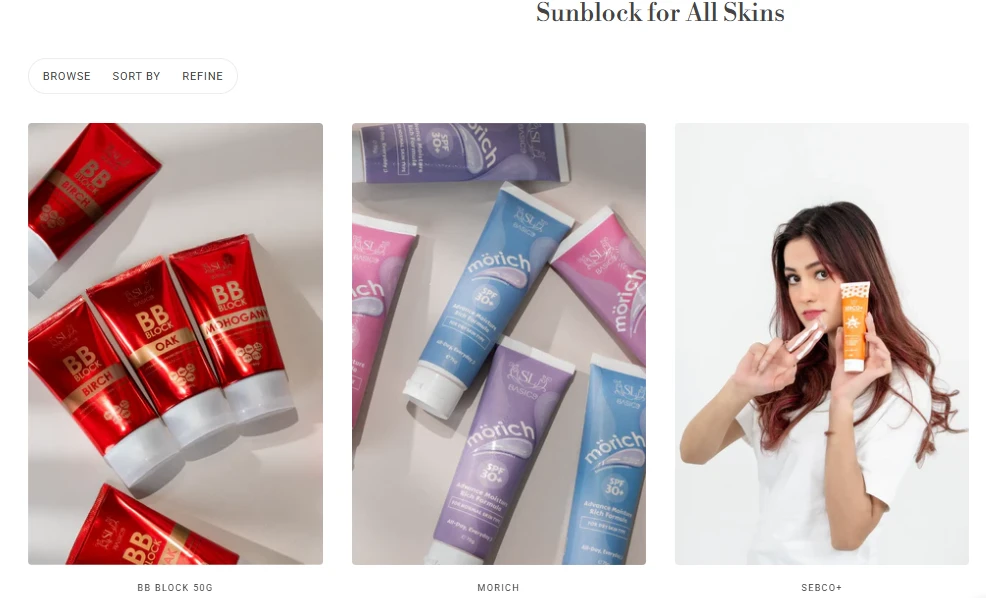
While tailoring your choice to skin type is best, some formulas work well for nearly everyone. These universal picks are often marketed as Sunblock for All Skins. What makes them stand out?
Balanced Formulas
- They combine hydrating and mattifying ingredients to suit both dry and oily areas.
Gentle, Minimal Ingredients
- Fragrance-free, paraben-free, and hypoallergenic to minimize irritation risks.
Lightweight Textures
- Usually available in gel-cream or fluid formats, which feel comfortable on all skin types.
Tinted Options
- Tinted sunblocks can provide light coverage while evening out skin tone, making them a favorite for many users.
These versatile products are especially helpful for families, since one tube can be shared by people with different skin needs.
Common Mistakes to Avoid
Even the best sunblock won’t work effectively if you don’t use it correctly. Here are some mistakes to avoid:
- Applying too little: Most adults need about a teaspoon of sunblock for the face and a shot-glass amount for the whole body.
- Skipping reapplication: Reapply every 2 hours, especially if swimming or sweating.
- Relying on makeup SPF alone: Foundation with SPF isn’t enough for full protection.
- Only applying in summer: UV rays are present year-round, so daily use is essential.
Extra Tips for Maximum Protection
Choosing the right product is just one part of the equation. For the best results:
- Apply sunblock 15–20 minutes before sun exposure.
- Don’t forget commonly missed areas: ears, neck, hands, and the tops of feet.
- Pair sunblock with protective clothing, hats, and sunglasses for comprehensive defense.
- Store your product in a cool, dry place; heat can reduce effectiveness.
The Future of Sunblock
The skincare industry continues to innovate, offering new and exciting sun protection options. Current trends include:
- Hybrid skincare-sunblocks with anti-aging, brightening, or soothing ingredients.
- Reef-safe formulas that protect both skin and the environment.
- Sprays, sticks, and powders for easier reapplication throughout the day.
These advancements make it easier than ever to find the right Sunblock for All Skins without compromising on texture, comfort, or environmental impact.
Final Thoughts
Finding the right sunblock doesn’t have to be overwhelming. By considering your skin type, lifestyle, and preferences, you can choose a product that protects and nourishes at the same time. Whether you need a deeply hydrating cream for dry skin, a matte gel for oily skin, or a gentle mineral formula for sensitive skin, the right option is out there.
And if you’d rather skip the trial-and-error process, look for universal Sunblock for All Skins—lightweight, broad-spectrum products designed to suit nearly everyone.
At the end of the day, consistency is more important than perfection. The best sunblock is the one you’ll actually wear every single day. With the right choice in your skincare routine, you’ll safeguard your skin’s health and keep it looking radiant for years to come.