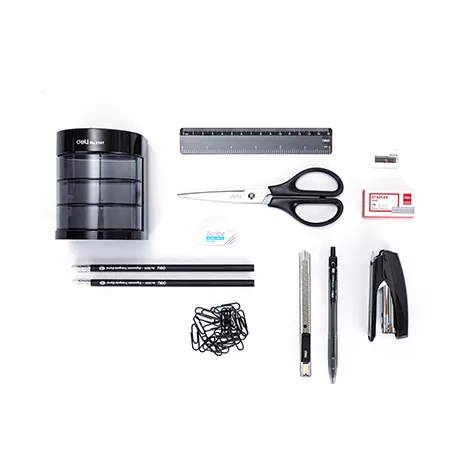
A productive work area is more than just a desk plus a chair. It’s the kind of place where ideas take shape, assignments get finished, and imagination keeps moving. Still, let’s be honest, when files pile up, pens vanish, sticky notes end up under everything, and paper just drifts around, even something basic starts feeling a bit stressful.
We’ve all hit that moment. Like, an important document disappears right before the meeting, minutes really matter. Or maybe the note you urgently need is quietly hiding beneath a stack of papers, while you’re sure it was right there. Or somehow, your desk looks messy even after organizing it yesterday.
At LINC, we think organization isn’t about building a perfectly polished , desk— it’s really about shaping a smarter workspace. And yeah, the right office organizer can just shift your everyday routine, like quite noticeably.
Whether you’re in a corporate office, working from home, or set up in a study area, picking the proper organizer helps boost efficiency, cut the mess, and maintain a more concentrated atmosphere. Let’s explore how to choose the perfect one.
Why Organization Matters More Than You Think?
Imagine walking into two workspaces, like right away.
Desk one looks, uh, messy. Loose papers everywhere tangled stationery scattered files, and drawers that seem kind of overfilled.
Desk two feels calmer: neatly arranged essentials, clear labels, and everything in easy reach.
So where would you rather work, honestly?
Most people tend to pick organized surroundings because clutter becomes this visual distraction, and honestly it also brings extra stress… for no reason.
At LINC, we treat organization like a productivity supporter. A properly designed office organizer doesn’t just stash things; it helps you simplify your whole day.
And because you spend less time hunting for stuff, you get more actual time to work.
Start by Understanding Your Workspace Needs
Before picking any office organizer, ask yourself one simple question: “What creates the most clutter on my desk?”
Everyone works differently, like really differently.
For instance,
• Students deal with notes and stationery
• Designers manage sketches plus files
• Professionals juggle documents and personal accessories
• Managers sort reports and meeting materials
Figuring out how you move through the day helps spot the right solution, not just the “pretty” one.
A compact workspace may need a desk organizer that does several jobs at once for an office setup, while bigger workstations might do better with separate storage pieces.
At LINC, we think organization should follow your workflow, not push you to change it.
Think Beyond Storage
A lot of folks kind of assume the organizers are only containers, you know.
But good organization is really about accessibility, not just stacking stuff.
A solid office organizer should help you
• Find what you need fast
• Sort things in a clear way
• Keep everything looking clean and calm
• Cut down those desk distractions
Instead of just tucking everything away, it should build actual systems.
Picture hunting through an entire drawer for, one single pen.
Then picture grabbing it straight from a designated, spot holder.
Small, quiet improvements can make big efficiency gains, surprisingly.
Keep Everyday Office Stationery Within Reach
A workspace really depends on practical tools, not just ideas or pretty vibes. Pens, clips notepads folders markers and small accessories get used again and again during the day. If you don't arrange things properly, even regular office stationery ends up turning into clutter pretty fast. An efficient office organizer should make room for those frequently used supplies, while at the same time keeping the desk looking clean and calm. At LINC, we know that clever organization for office stationery helps your workflow move smoother and it also reduces those pesky little interruptions. And honestly, productivity often comes down to convenience, more than people think.
Don’t Ignore Small Essentials
Small add-ons, they can make the biggest mess.
Like office pins for example, they’re tiny, really easy to misplace and they usually end up scattered around drawers, with no clear order.
Now think about it again but with paper clips, erasers, sticky flags, and all that other miscellaneous stuff. Then, all at once, clutter seems to appear everywhere, like it just spawned.
A well thought-out office organizer should have smaller compartments, that sort of stop these things from vanishing in the first place. When office pins and related accessories stay sorted, you end up with a cleaner workspace and you save time on those busy workdays.
Organize Documents with Index Tabs and Sticky Notes
Modern workspaces really do come with this information overload thing.
Reports, notes, project updates meeting points, and reminders can stack up fast and suddenly feel overwhelming.
That’s kind of where index tab systems, and even sticky note paper, start making sense.
Think about getting ready for a big presentation.
Instead of flipping through dozens of pages, you get organized sections with an index tab, so you can reach what you need right away, not later.
In the same vibe, sticky note paper lets you jot reminders and little quick ideas, without turning everything into messy paper.
At LINC, we feel that solid organization should blend storage with accessibility, not just one or the other.
Because information should be simple to find, not hard to manage.
Add Vertical Storage Solutions
Desk space is often pretty limited, you know. When horizontal room gets crowded, a vertical setup can squeeze in extra room without really changing much. One handy idea is adding a magazine holder, which sounds simple but it actually helps.
Even if it was first made for magazines, these holders usually end up organizing all kinds of things, like
• Documents
• Catalogues
• Files
• Project folders
• Notebooks
Instead of stacking materials flat right on the desk, a magazine holder keeps everything in view, and kind of easy to reach, too. This makes the workspace look tidier while still maximizing what you already have.
At LINC we encourage smarter organization, not just tacking on more storage.
Match Style with Functionality
Workspaces they somehow influence mood and drive, yep.
Like if the setup looks nice, in a visual kind of way, the whole work session feels more enjoyable… at least most of the time.
Still though, the look should never overpower what it actually does, because functionality matters too.
When you’re picking an office organizer, think about stuff like:
• Storage requirements
• Desk dimensions
• Quick accessibility
• Material quality
• Workspace aesthetics
Minimal design usually makes the space feel cleaner and calmer, while still staying practical.
At LINC, we think organization should look good and work even better, rather than only being pretty.
Build Habits Along with Organization
Even the best setup still needs consistency, like really it does. A so-called perfect office organizer won’t work all the way unless a few basic habits keep it steady and not just once in a while.
- Put things back after using them
- Clear out the extra papers regularly, not later
- Name the sections in a clear way
- Arrange weekly
These small habits help the clutter not creep back in little by little. In the end, being organized is less about “perfect” results and more about routine that stays.
Final Thoughts
A clean and organized workspace doesn’t just happen by accident, it kind of comes from thoughtful systems and practical tools.
Like when you’re arranging office stationery, storing office pins, using an index tab, organizing notes with sticky note paper. Or maybe you decide to make vertical storage with a magazine holder. Every little detail, even the small one, adds up to a smoother workspace experience.
At LINC, we believe the right office organizer does more than simply cut the clutter— it helps form spaces where focus, productivity, and creativity can really grow.
And honestly, sometimes, organizing your desk is the first step toward organizing your day.