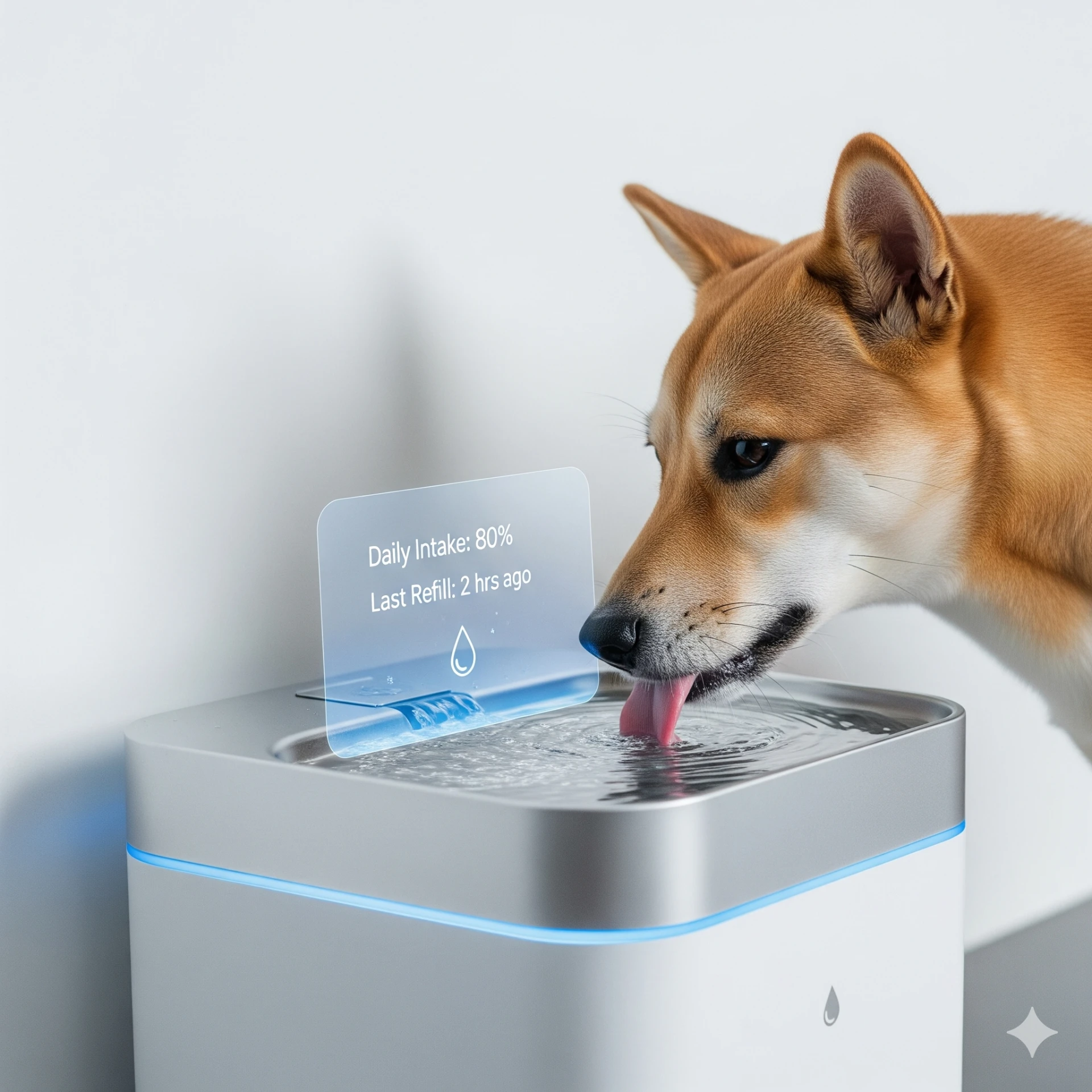
Proper hydration is fundamental to your pet's health, yet many pet owners struggle to ensure their furry friends have constant access to fresh, clean water. With busy schedules and unpredictable routines, maintaining optimal hydration levels for our pets can be challenging. This comprehensive guide explores how automatic pet waterers can revolutionize your pet's hydration routine and contribute to their overall wellbeing.
Understanding Pet Hydration Needs
Water makes up approximately 60-70% of an adult pet's body weight, making it the most crucial nutrient for survival. Unlike humans, pets can't communicate when they're thirsty, making it essential for pet owners to proactively manage their hydration needs.
Daily Water Requirements by Pet Size
Different pets require varying amounts of water based on their size, activity level, and environmental conditions:
Dogs:
- Small dogs (under 20 lbs): 1-1.5 cups per day
- Medium dogs (20-50 lbs): 1.5-3 cups per day
- Large dogs (50-100 lbs): 3-5 cups per day
- Giant breeds (over 100 lbs): 5+ cups per day
Cats:
- Average adult cat: 3-5 ounces per 5 pounds of body weight daily
- Active or nursing cats may require up to twice this amount
These requirements can increase significantly during hot weather, after exercise, or if your pet consumes dry food exclusively.
Signs of Dehydration in Pets
Recognizing dehydration early is crucial for preventing serious health complications. Watch for these warning signs:
- Lethargy and reduced energy levels
- Dry, sticky gums
- Loss of skin elasticity (skin doesn't snap back quickly when pinched)
- Sunken eyes
- Reduced appetite
- Thick saliva or dry mouth
- Dark yellow urine or reduced urination
If you notice any of these symptoms, consult your veterinarian immediately and ensure your pet has immediate access to fresh water.
Common Hydration Challenges for Pet Owners
Inconsistent Water Bowl Maintenance
Traditional water bowls require frequent refilling and cleaning. Busy schedules can lead to empty bowls or stagnant water, both of which discourage pets from drinking adequate amounts.
Water Quality Concerns
Pets are sensitive to water temperature, taste, and cleanliness. Stale water or bowls with residue can deter even the thirstiest pet from drinking sufficient amounts.
Travel and Extended Absences
Whether you're at work for long hours or away for the weekend, ensuring continuous water access becomes a significant concern for responsible pet owners.
Multiple Pet Households
Managing water consumption for multiple pets with different needs and drinking habits can be overwhelming, especially when some pets are more aggressive drinkers than others.
How Automatic Pet Waterers Solve Hydration Problems
Automatic pet waterers address these challenges by providing continuous access to fresh, clean water without constant human intervention.
Continuous Fresh Water Supply
Modern automatic waterers use circulation systems that keep water moving, preventing stagnation and maintaining freshness. This movement also helps oxygenate the water, making it more appealing to pets who prefer running water sources.
Filtration Systems
Many automatic waterers include multi-stage filtration systems that remove:
- Chlorine and chemical odors
- Hair, debris, and food particles
- Bacteria and other microorganisms
- Hard water minerals that affect taste
Capacity and Convenience
Large-capacity reservoirs mean less frequent refilling, while transparent tanks allow easy monitoring of water levels. Some models can hold several days' worth of water for multiple pets.
Encouraging Increased Water Consumption
The movement and freshness of automatically circulated water naturally encourages pets to drink more, supporting better overall hydration and health.
Types of Automatic Pet Waterers
Gravity-Fed Waterers
These simple systems use gravity to refill the bowl as water is consumed. They're reliable, require no electricity, and are perfect for pet owners seeking a low-maintenance solution.
Pros:
- No electricity required
- Simple, reliable mechanism
- Large capacity options available
- Budget-friendly
Cons:
- No water circulation or filtration
- Water can become stale over time
- Limited to gravity-fed refilling only
Electric Fountain Waterers
These systems actively circulate water through pumps and often include filtration systems for optimal water quality.
Pros:
- Continuous water circulation
- Built-in filtration systems
- Attracts pets who prefer moving water
- Helps prevent bacterial growth
Cons:
- Requires electricity
- Regular filter replacement needed
- Slightly more complex maintenance
Smart Connected Waterers
The latest innovation in pet hydration technology includes WiFi connectivity, smartphone apps, and advanced monitoring capabilities.
Pros:
- Remote monitoring and notifications
- Water level tracking through apps
- Usage analytics and insights
- Integration with other smart pet devices
Cons:
- Higher initial investment
- Requires stable WiFi connection
- More complex setup and maintenance
Key Features to Consider
Filtration Quality
Look for multi-stage filtration systems that address your local water quality issues. Carbon filters are excellent for taste and odor, while ion-exchange resins can help with hard water problems.
Material Safety
Choose waterers made from BPA-free, food-grade materials. Stainless steel and ceramic components are often preferable to plastic for durability and hygiene.
Ease of Cleaning
Regular cleaning is essential for maintaining water quality. Look for designs with removable components and dishwasher-safe parts.
Capacity Matching
Select a capacity that matches your pet's needs and your refilling preferences. Larger capacities reduce maintenance frequency but require more storage space.
Noise Levels
Some pets are sensitive to pump noise. Look for models specifically designed for quiet operation if your pet is easily startled.
Maintenance Best Practices
Daily Maintenance
- Check water levels and refill as needed
- Observe your pet's drinking behavior for any changes
- Ensure the system is functioning properly
Weekly Maintenance
- Clean the bowl and reservoir thoroughly
- Replace or rinse pre-filters if applicable
- Check for any buildup or residue
Monthly Maintenance
- Deep clean all components according to manufacturer instructions
- Replace filters as recommended
- Inspect pumps and mechanical parts for wear
Troubleshooting Common Issues
Reduced Water Flow:
- Check for clogs in filters or pumps
- Clean all water pathways
- Replace worn filters
Strange Noises:
- Ensure adequate water levels for pump operation
- Clean pump components
- Check for loose parts or debris
Pet Reluctance to Drink:
- Gradually transition from old water source
- Keep the new waterer near the pet's preferred drinking location
- Ensure water temperature is appropriate
Health Benefits of Proper Hydration
Kidney Function Support
Adequate hydration helps kidneys filter waste products efficiently, reducing the risk of kidney stones and urinary tract infections.
Digestive Health
Proper hydration aids in digestion and nutrient absorption while preventing constipation and other gastrointestinal issues.
Temperature Regulation
Water helps pets regulate body temperature through panting and circulation, especially important during hot weather or after exercise.
Joint and Muscle Health
Hydration supports joint lubrication and muscle function, particularly important for active pets and senior animals with arthritis.
Special Considerations for Senior Pets
Older pets often have increased hydration needs due to:
- Reduced kidney efficiency
- Medication side effects
- Decreased mobility affecting water access
- Age-related health conditions
Automatic waterers can be particularly beneficial for senior pets by ensuring constant access to fresh water without requiring them to seek out refilled bowls.
Integration with Smart Pet Care Systems
Modern automatic waterers can integrate with broader smart pet care ecosystems, providing:
- Hydration data for veterinary consultations
- Alerts for unusual drinking patterns that might indicate health issues
- Coordination with automatic feeders for complete pet care automation
- Historical data tracking for long-term health monitoring
Making the Right Choice for Your Pet
Consider your pet's specific needs, your lifestyle, and your budget when selecting an automatic waterer. Factor in:
- Your pet's size and drinking habits
- Number of pets in your household
- Your local water quality
- Available space for the device
- Your comfort level with technology
- Maintenance preferences and capabilities
Conclusion
Automatic pet waterers represent a significant advancement in pet care technology, offering solutions to common hydration challenges while promoting better health outcomes for our beloved companions. By ensuring continuous access to fresh, clean water, these devices help pet owners maintain optimal hydration for their pets regardless of their busy schedules.
The investment in an automatic waterer pays dividends in pet health, owner peace of mind, and the convenience of reduced daily maintenance. As we continue to seek ways to provide the best care for our pets while managing our modern lifestyles, automatic pet waterers offer a practical, beneficial solution that serves both pets and their devoted owners.
At Slow Paws, we're committed to providing innovative pet care solutions that make life easier for pet parents while promoting the health and happiness of their furry family members. Explore our range of automatic pet feeders and waterers to find the perfect hydration solution for your pet's unique needs.
Ready to upgrade your pet's hydration routine? Browse our selection of premium automatic pet waterers designed for reliability, convenience, and your pet's optimal health. Contact our pet care specialists for personalized recommendations based on your pet's specific requirements.
#AutomaticPetWaterer #PetHydration #SmartPetCare #PetHealth #SlowPaws #PetWellness #AutomaticWaterer