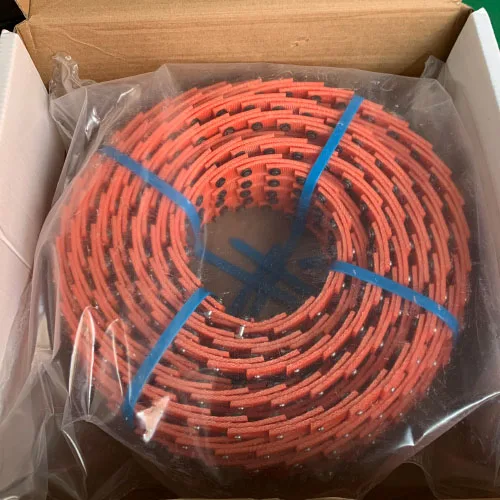
In the fast-evolving world of industrial power transmission, the importance of reliable, efficient, and easily serviceable drive systems cannot be overstated. For many businesses, equipment uptime and maintenance flexibility directly impact productivity, operational costs, and profitability. Enter the Link V Belt: an innovative solution designed to address the limitations of traditional endless V-belts and offer robust performance, simplified installation, and unmatched versatility.
Whether you’re an engineer, a maintenance professional, or a procurement specialist seeking the ideal solution for your machinery, understanding the nuances of the Link V Belt is crucial. Making the right selection can significantly extend your equipment’s lifespan, reduce unplanned downtimes, and enhance safety—all while lowering your total cost of ownership. However, with an expanding market and myriad product options, choosing the right Link V Belt for your unique needs can be overwhelming without proper guidance.
Why Link V Belts Are Transforming Industry
Let’s start by understanding what distinguishes the Link V Belt from other power transmission belts. Unlike conventional endless V-belts, the Link V Belt is engineered from multiple interlocking segments, allowing it to be assembled to the exact length needed for any drive system. This unique design delivers several decisive advantages:
- Rapid, On-Site Installation: No need to dismantle pulleys or assemblies—simply fit to length, link, and tension.
- Unmatched Versatility: Perfect for fitting machines with non-standard sizes, multi-groove pulleys, or challenging access points.
- High Durability: Resistant to oil, abrasion, water, and many chemicals, making it suitable for harsh industrial environments.
- Reduced Inventory: One belt fits many machines, drastically reducing the need for varied spare parts storage.
- Efficient Maintenance: Fast replacement and length adjustments minimize downtime and labor costs.
As more industries face urgent demands for operational agility and leaner maintenance, the popularity of Link V Belt solutions continues to surge. Yet, not all Link V Belts are created equal. Factors such as material quality, link design, temperature resistance, load rating, and manufacturer reputation can mean the difference between long-term reliability and costly breakdowns.
What to Consider When Selecting the Right Link V Belt
Because each industry and application presents its own set of challenges, an off-the-shelf solution may not always be the answer. Below, we detail the key considerations and criteria to ensure your Link V Belt meets your exact requirements:
1. Material Quality and Construction
The best Link V Belts are engineered from premium polyurethane reinforced with strong fabric or polyester layers. This construction provides superior flexibility, shock absorption, resistance to oil and chemicals, and low stretch characteristics. Choosing a substandard belt can lead to premature elongation, breakage, or slippage.
Tip: Shanghai Puteken Transmission System Co., Ltd. utilizes advanced manufacturing processes and robust quality control to guarantee consistent, high-performance Link V Belts across all product lines.
2. Operating Environment
Assess the specific demands of your working environment. Will the belt be exposed to moisture, oils, temperature extremes, or abrasive particles? The chemical and physical resistance of a Link V Belt should match these conditions. For food processing or pharmaceutical applications, check for FDA or relevant food-grade certifications.
3. Load and Power Transmission Requirements
Understanding torque, speed, and transmitted load is essential for sizing any Link V Belt. Not all belts are rated equally—selecting a model with a load rating below your application needs can risk costly outages.
Tip: Shanghai Puteken provides detailed technical datasheets, including power ratings per cross-section and speed, to ensure optimal selection.
4. Installation Flexibility and Length Adjustability
One of the most notable benefits of Link V Belt is the ability to custom-assemble to any length. Verify that your selected belt can be easily assembled, disassembled, and tensioned onsite.
5. Manufacturer Support and Technical Guidance
Selecting a reliable supplier like Shanghai Puteken Transmission System Co., Ltd. ensures that you get not only a product but also technical support, after-sales service, and guidance for maximizing belt life and equipment performance.
Best Practices for Link V Belt Selection
To make your decision process smoother, follow these best practices:
- Always evaluate the maximum and minimum pulley diameters your application requires.
- Check for available cross-sections, including A, B, C, and Z/10, to best match load and pulley dimensions.
- Inspect the temperature range the belt will be exposed to.
- Request samples and test performance under anticipated operational conditions if possible.
- Ensure documentation for material safety, relevant certifications, and detailed installation instructions.
Common Applications and Use Cases
The Link V Belt has proven itself across an array of industries, especially where downtime is costly or machines have unique requirements:
Manufacturing and Industrial Machinery
From lathes and drill presses to milling machines and compressors, factories appreciate the speed and convenience of fitting Link V Belts without dismantling large or fixed assemblies.
Case: A Shanghai-based machine shop reduced maintenance-related downtime by 50% after switching to Shanghai Puteken Link V Belts for their CNC machinery.
HVAC and Air Handling Equipment
Chillers, air handlers, and compressors often operate in spaces where access is restricted. Link V Belts allow quick, reliable maintenance, improving system uptime.
Case: An international HVAC service provider standardized on Link V Belts to streamline maintenance contracts and minimize on-site visit times.
Agricultural Equipment
Harvesters, sorting lines, and conveyors in agriculture frequently require power transmission solutions resistant to dust, dirt, and rapid field repairs.
Case: A leading grain processor benefits from less downtime and simpler belt replacements during harvest seasons thanks to Puteken Link V Belt solutions.
Food Processing and Packaging
The demand for food-safe, easily cleaned, and non-slip power transmission is solved using Link V Belts made from FDA-compliant materials.
Case: A beverage bottler replaced traditional belts with food-grade Link V Belts, improving both hygiene compliance and maintenance cycle times.
Mining, Quarrying, and Heavy Duty Applications
Rugged environments with high torque and variable loads demand belts that won’t fail unexpectedly. Link V Belt is valued in crushers, screeners, and conveyor systems for its resilience.
Installation: How to Fit and Tension a Link V Belt Properly
One of the Link V Belt’s greatest benefits is how user-friendly it is to install. Here’s a simplified outline of best practices:
1. Measure and Cut to Length:
Determine the belt length required by running it around the pulleys and linking one more segment than needed.
2. Link and Lock:
Assemble the belt by interlocking the segments and securing the final connecting link.
3. Fit on Pulleys:
Place the belt onto the pulleys, adjusting tension by removing or adding segments as required.
4. Check Tension:
Very important—the correct tension ensures optimal power transmission and maximizes belt life.
5. Run-In and Inspect:
After a test run, inspect for proper seating, track, and any undue vibration or noise.
Note: For heavy-duty or critical applications, always refer to the manufacturer’s detailed installation guide.
Troubleshooting Common Link V Belt Issues
- Slippage or Squealing: Usually due to incorrect tension or oil contamination; check installation and clean pulleys.
- Premature Wear: Check if drive is overloaded, or if pulleys are misaligned.
- Belt Elongation: Results from poor quality materials or exceeded load ratings.
- Segment Breakage: Either from foreign objects or using the wrong belt for your load/temperature environment.
Shanghai Puteken’s team is available for consultation and rapid support to resolve any operational issues.
Choosing the right Link V Belt is a vital step in optimizing your equipment’s reliability, efficiency, and operational flexibility. By considering material quality, application requirements, installation conditions, and the trustworthiness of your manufacturer, you set the foundation for trouble-free performance and long-term value.
Frequently Asked Questions (FAQ)
Q1: What is a Link V Belt and how is it different from traditional V-belts?
A: A Link V Belt is composed of interconnected, flexible links that can be custom-assembled to any length. Unlike endless V-belts, they do not require pulley disassembly and offer enhanced installation versatility and maintenance convenience.
Q2: Where are Link V Belts most commonly used?
A: They are widely used in machine shops, industrial plants, HVAC systems, agricultural machinery, food processing, and mining operations, especially where rapid maintenance or equipment access is difficult.
Q3: Are Link V Belts as strong as traditional belts?
A: When sourced from reputable manufacturers and matched to the correct application, Link V Belts can deliver comparable performance, with the added benefits of reduced stretch and maintenance speed.
Q4: How do I determine the right size of Link V Belt for my machine?
A: Measure the required “outside” circumference, select the compatible cross-section for your pulleys, and assemble the belt to match. Consult the manufacturer’s sizing guide for detailed steps.
Q5: Do Link V Belts require special pulleys?
A: Most Link V Belts are designed to work with standard V-belt pulleys, but always check for compatibility, particularly in critical or high-speed applications.
Q6: Can Link V Belts handle harsh environments?
A: Yes. High-quality Link V Belts from Shanghai Puteken are engineered to resist oil, dirt, moisture, many chemicals, and wide temperature ranges.
Q7: Are food-grade Link V Belts available?
A: Absolutely! Food and beverage industry clients can request FDA-certified, hygienic Link V Belt materials and documentation.
Q8: How should I maintain my Link V Belt drive?
A: Periodically check for correct tension, alignment, and signs of abnormal wear. Keep pulleys clean and free from oil residue.
Q9: How can I tell if it’s time to replace my Link V Belt?
A: Inspect for excessive wear, damage to link segments, or elongation. If frequent adjustments become necessary, a replacement is likely due.
Q10: Why should I choose Shanghai Puteken Transmission System Co., Ltd. for Link V Belts?
A: We offer superior material quality, technical support, competitive pricing, and extensive customization—backed by decades of experience in transmission solutions serving industries worldwide.