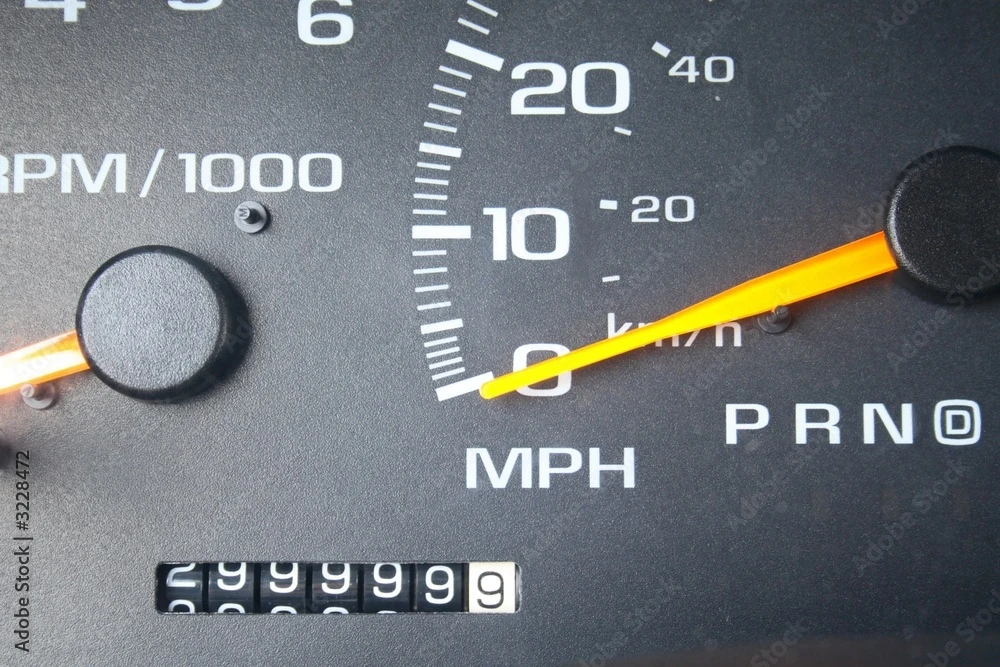
The expression how to roll back odometers is commonly found in discussions of motor vehicle fraud and consumer protection. Although curiosity will lead some people to seek this term, it is important for you to note that tampering with the mileage reading on a car constitutes a major crime. Rather than reporting on any way to do it, which is illegal, unethical, and hurtful, we will give you an insight into how this scam works, why it will never go away, and how to protect yourself from being a victim.
Odometer fraud refers to changing the digital or mechanical mileage status of a car in order to make it look like the vehicle has been driven less than it actually has. Discussions about how to roll back odometers tend to come up because unethical sellers are looking for an edge when it comes to resale value by hiding normal wear and tear. The reason for their illicit deed matters in finding out the red flags. Less mileage usually equals bigger money, and scammers know this, which is why they take advantage of a consumer's need for speed.
Today's cars have computer systems that save a mileage reading in various control modules. While that makes tampering harder than on older mechanical models, it doesn’t eliminate the danger. Men who actually go and try to find out stuff about how you roll odometers back don't also focus on the fact that there are certain security measures implemented by auto manufacturers to thwart it, from encrypted data storage and tamper-indicative systems to tracking of service records. These precautions are meant to discourage fraud and make discrepancies more readily apparent.
Odometer fraud has implications that go way beyond your wallet. False odometer readings can mislead purchasers about the state of a vehicle, leading to costly repairs, unsafe performance, and unexpected breakdowns. That’s the reason why just some discussions of how to roll back miles are not taken lightly by law enforcement officers. Some of the penalties may include large fines, restitution, and even incarceration, depending on the nature and scope of the fraud.
Consumers can protect themselves by reading maintenance logs, ordering a vehicle history report, tracking consistent mileage documentation, and paying for the car to be inspected by an independent mechanic. By taking these steps, you will minimize the risk of unknowingly buying a tampered-with car. Signs of warning, such as rusty pedals or a jumbled service history, can also protect buyers from fraud.
Rather than knowing how to roll back odometers, you would be better served by learning all about fraud and the law that governs it, and going a step further to ensure a transparent buying experience for your vehicle. In the process, they are reinforcing their confidence in their buying decisions and discouraging auto scams in this marketplace.
Andrew Richardson is the author of this Article. To know more about dodge buyback program please visit our website: allenstewart.com