
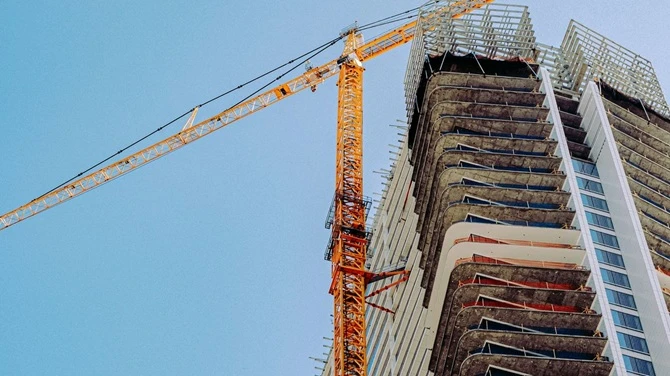
Imagine trying to move a grand piano to the top floor of a building without an elevator. You might gather a group of strong people, use ropes, and slowly push it upward—but the process would be risky, slow, and exhausting. Now imagine using a powerful machine designed specifically to lift heavy objects safely and place them exactly where they need to go. That’s essentially what cranes do.
For construction teams and businesses that need to move heavy equipment, steel beams, or building materials, cranes make difficult tasks manageable. Instead of buying expensive machinery that may only be used occasionally, many companies choose to rent mobile crane in Cambridge when a project requires serious lifting power.
Cambridge is a growing city with ongoing construction, infrastructure upgrades, and industrial activity. Projects range from new homes and commercial buildings to factory expansions and equipment installations. Because every project has different lifting needs, renting cranes provides a flexible and cost-effective solution.
In this guide, we’ll explore how crane rentals work, why they are so useful for modern projects, and what to consider when choosing the right equipment. By the end, you’ll have a clear understanding of why Mobile Cranes play such an important role in construction and heavy lifting.
Understanding What a Mobile Crane Is
A crane is a machine designed to lift and move heavy objects. A mobile crane is simply a crane that can travel from one place to another rather than staying fixed in a single location.
Think of it as a giant mechanical arm mounted on a truck or special vehicle. Just like your arm can reach out, pick something up, and move it somewhere else, a crane does the same thing—but on a much larger scale.
Mobile cranes typically include:
- A long lifting arm called a boom
- A hook and cable used to hold loads
- A rotating base that allows the crane to swing materials around
- Stabilizing legs that keep the crane balanced during lifting
These machines are incredibly strong. Depending on the model, they can lift anything from a few tons to extremely heavy construction materials.
Why Renting a Crane Makes Sense
Owning a crane might sound appealing for companies that frequently handle large projects. However, cranes are extremely expensive to purchase and maintain. Renting often becomes the smarter choice.
Lower Upfront Costs
Buying heavy construction equipment requires a major financial investment. Renting allows businesses to access powerful machinery without spending hundreds of thousands of dollars.
This is similar to renting a moving truck instead of buying one. If you only need it for a short period, renting is much more practical.
Access to the Right Equipment
Every project has unique requirements. Some jobs require lifting heavy materials high into the air, while others require precise placement in tight spaces.
When renting, companies can choose the crane that best fits their project rather than trying to make one machine handle everything.
No Long-Term Maintenance
Heavy machinery requires regular inspections, repairs, and maintenance. When cranes are rented, these responsibilities are typically handled by the rental provider.
This saves time and reduces stress for contractors who want to focus on completing their projects.
Skilled Operators
Many crane rental providers offer trained operators along with the equipment. These professionals know how to operate cranes safely and efficiently, which reduces the risk of accidents and delays.
Projects That Often Require Crane Rentals
Cranes are used in many industries beyond traditional construction.
Here are some common situations where crane rentals are extremely helpful.
Building Construction
Steel beams, concrete panels, and other heavy materials must often be lifted to upper floors. Cranes make it possible to place these materials accurately and safely.
Equipment Installation
Factories and industrial facilities frequently need cranes to move large machines into position. Some machines weigh several tons and cannot be moved manually.
HVAC Installation
Large heating and cooling units are often installed on rooftops. A crane can lift these units from the ground and carefully place them on the building.
Tree Removal
In urban areas, large trees may need to be removed in sections. A crane helps lift heavy branches or trunks safely without damaging nearby structures.
Infrastructure Work
Road construction, bridge repairs, and utility installations also rely on cranes to handle heavy materials and equipment.
Different Types of Mobile Cranes
Not all cranes are the same. Each type is designed to handle different environments and lifting needs.
Truck-Mounted Cranes
These cranes are attached to trucks, allowing them to travel easily on roads. They are often used for general construction and maintenance projects.
Rough Terrain Cranes
As the name suggests, these cranes are designed to operate on uneven surfaces such as dirt, gravel, or construction sites.
All-Terrain Cranes
All-terrain cranes combine the flexibility of road travel with the strength needed for heavy lifting on challenging sites.
Compact Cranes
These smaller cranes are designed for tight spaces like warehouses or indoor industrial environments.
Choosing the right crane depends on factors like lifting capacity, terrain conditions, and the height required.
How the Crane Rental Process Works
Renting a crane usually involves a simple step-by-step process.
Step 1: Discuss the Project
The rental company will ask questions about the project, including:
- What needs to be lifted
- How heavy the load is
- How high the materials must go
- How long the crane will be needed
These details help determine the best crane for the job.
Step 2: Site Review
Sometimes the provider will review the job site to ensure the crane can be safely positioned.
For example, they may check ground conditions, space availability, and nearby obstacles.
Step 3: Equipment Delivery
Once the crane is selected, it is transported to the job site.
The crew sets up the stabilizing legs and prepares the crane for lifting operations.
Step 4: Lifting Operations
The crane operator performs the lifts according to safety guidelines and project instructions.
Step 5: Equipment Removal
After the work is completed, the crane is packed up and transported away.
This streamlined process allows contractors to complete heavy lifting tasks without investing in permanent equipment.
Safety Is Always the Top Priority
Working with cranes involves handling extremely heavy loads, so safety is critical.
Professional crane operators follow strict procedures to protect workers and nearby structures.
Some key safety practices include:
Load Calculations
Operators carefully calculate the maximum weight a crane can lift at a certain distance and angle.
Stable Setup
Cranes use stabilizing legs to keep the machine balanced while lifting loads.
Clear Communication
Workers often use hand signals or radios to communicate with the crane operator during lifts.
Regular Equipment Checks
Cranes are inspected regularly to ensure everything is functioning properly.
You can think of crane safety like balancing groceries in your arms. If you try to carry too much at once, you might drop something. Similarly, cranes must stay within safe lifting limits to prevent accidents.
What to Look for When Choosing a Crane Rental Provider
Selecting the right rental company can make a big difference in how smoothly your project runs.
Here are a few important factors to consider.
Experience
Companies with years of experience are more likely to understand different types of lifting challenges.
Safety Standards
Look for providers that follow strict safety guidelines and maintain well-inspected equipment.
Variety of Equipment
A company with multiple crane types can better match the right machine to your specific project.
Professional Operators
Certified operators ensure that lifts are performed safely and efficiently.
Clear Pricing
Reliable companies provide transparent pricing so you understand exactly what you’re paying for.
Why Cranes Are Essential for Growing Cities
Cities like Cambridge are constantly evolving. New homes, offices, and industrial spaces require efficient construction methods.
Cranes make it possible to move heavy materials quickly and accurately, which speeds up building projects and reduces manual labor.
Without cranes, many modern construction tasks would be extremely difficult or even impossible.
They allow builders to work smarter, safer, and more efficiently.
Conclusion
Heavy lifting is a major part of construction, manufacturing, and infrastructure projects. Cranes provide the strength and precision needed to move massive materials safely and efficiently.
Renting cranes offers a practical solution for companies that need powerful equipment without the high costs of ownership. From construction sites to industrial facilities, crane rentals help businesses complete complex tasks with ease.
As cities continue to grow and develop, cranes will remain one of the most important tools for building the structures and systems we rely on every day.
Understanding how crane rentals work and choosing the right provider can help ensure that projects stay safe, efficient, and on schedule.
Frequently Asked Questions (FAQ)
1. How much weight can a mobile crane lift?
The lifting capacity depends on the type of crane. Some smaller cranes lift a few tons, while larger models can lift hundreds of tons.
2. Do crane rentals include an operator?
Many rental providers offer trained operators along with the crane. This helps ensure the equipment is used safely and efficiently.
3. How long can a crane be rented?
Crane rentals can last for a few hours, several days, or even months depending on the project requirements.
4. What information do I need before renting a crane?
You should know the weight of the materials being lifted, the height required, and the location of the job site.
5. Are cranes safe to use in busy construction areas?
Yes, when operated by trained professionals and set up correctly, cranes are designed to lift heavy materials safely even in active work environments.