
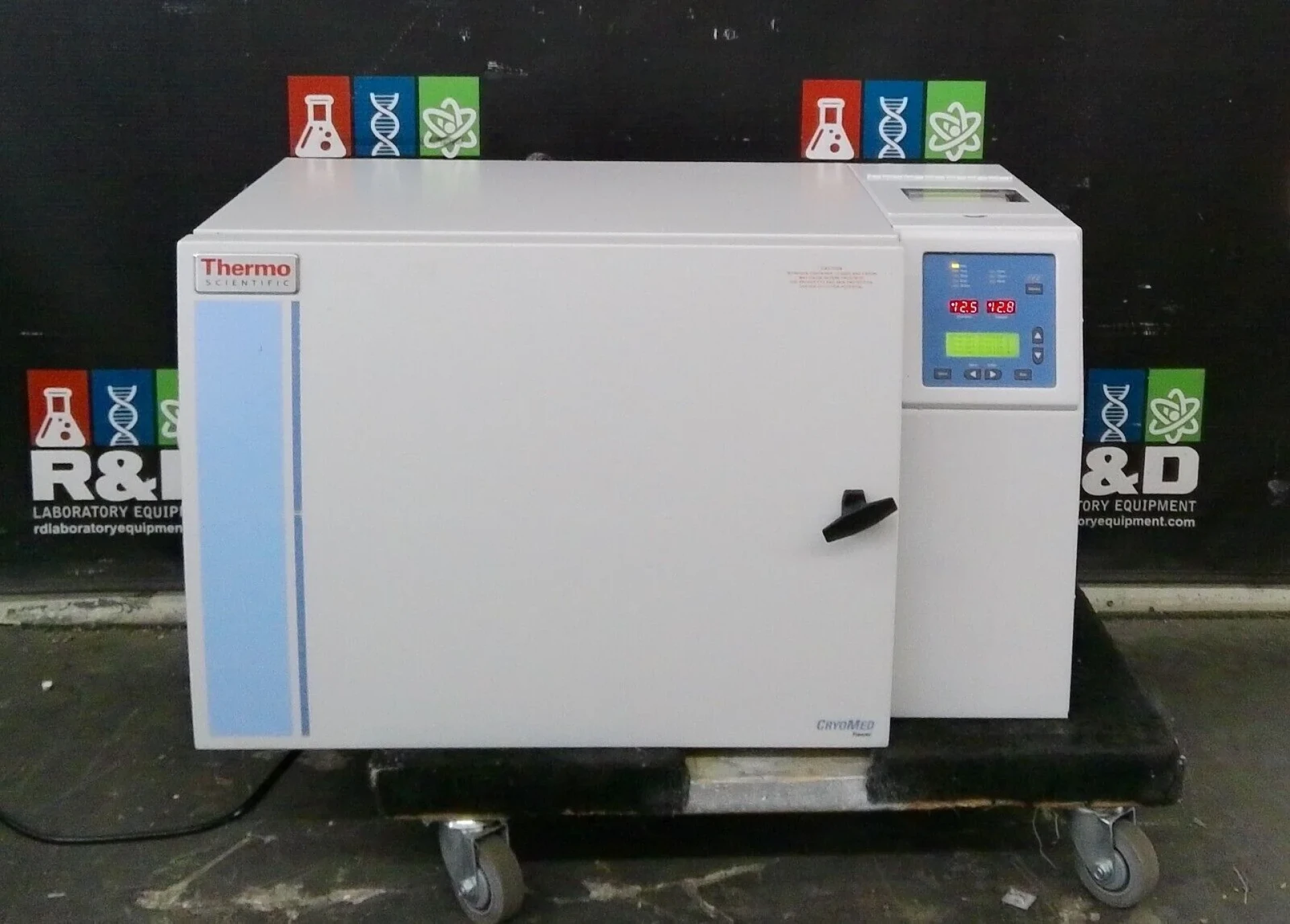
In today’s fast-paced research environments, laboratories are constantly pressured to maintain high-quality results while managing tight budgets. Investing in used lab freezers is a smart solution to counter this problem. They meet cold storage needs without disrupting the bottom line.
When selected carefully, pre-owned used laboratory refrigerators can perform just as well as new units, offering cost savings and operational efficiency.
But how do you ensure you're getting the right equipment at the right value? This guide will help you solve this problem.
Why Consider Buying Used?
Most laboratories run on a strict budget. While new equipment has benefits, used lab freezers also solve many issues. First, purchasing a used lab freezer isn’t only about saving money but it stretches your lab’s budget without sacrificing performance and safety. Be it temperature-sensitive items such as reagents, vaccines, or biological samples, a well-maintained unit can help with:
- Substantial savings over new equipment
- Fast availability and shorter lead times
- Access to premium brands and models that may be out of budget when new
- Reduced environmental impact through reuse
With so many used lab freezers for sale, it’s important to go beyond price and understand how to evaluate quality, functionality, and service life.
What to Look for in a Used Lab Freezer or Refrigerator?
Here are the major features you should look for in a used lab freezer for sale:
Condition and Age of the Unit
The older the equipment, the less useful it is. Modern equipment is equipped with several smart controls, which might be missing from the second-hand units. Thus, always inquire about the freezer’s age and usage history. Units with a proper history and calibration usage are more likely to perform as desired. Ask for detailed inspection reports. Reputable vendors are able to provide the same.
Temperature Range and Stability
Determine your required temperature range before shopping. Freezers are categorized based on their temperature capability:
- Standard Laboratory Freezers: 0°C to -20°C
- Low-Temperature Freezers: -30°C to -45°C
- Ultra-Low Freezers (ULFs): -80°C or lower
When browsing used laboratory refrigerators, confirm that the unit has been tested for temperature accuracy and uniformity. Uneven cooling can jeopardize sample integrity.
Compressor and Cooling System Integrity
The compressor is the heart of a freezer. Ask whether it has been serviced or replaced. A loud or irregular noise from the compressor could indicate future failure. Service records and system diagnostics can provide additional info about the same.
Size, Storage Layout, and Space Efficiency
Consider the internal shelving system of the unit. Merely considering the external footprint is foolish. Choosing one with adjustable shelves, drawers, and compartment options can impact workflow and storage convenience.
Energy Efficiency
Older models are likely to consume more energy. If energy efficiency and sustainability matter to you, investing in a more energy-efficient unit is wiser. Ask the vendor about the unit’s energy draw.
Things to Watch Out For
While the above features advocate in favor of a unit, here are some red flags to watch out for. Here are some things you should consider and avoid units with:
- Don’t include warranty or service guarantees
- Show visible mold, rust, or chemical residue
- Are missing serial numbers or product labels
- Have not been tested or certified by a qualified technician
Questions You Should Ask The Vendor
Before buying a used laboratory refrigerator, ensure the vendor is reliable and sells only safe and efficient equipment. The following questions will help you ensure that:
- Has the unit been tested for temperature performance?
- Are all parts original, or have any been replaced?
- Does it come with a warranty or return policy?
- What is the service history and age of the equipment?
- Is delivery and installation available?
- Are calibration and validation services included?
When buying used laboratory refrigerators, these questions will help you assess value, reduce risk, and ensure compliance with your lab's quality protocols.
Extending the Life of Your Investment
Buying lab equipment is not enough. You must take care of your equipment and ensure that it is well-maintained. It includes cleaning, calibration, and inspection. Here are some tips to extend the life of your investment:
- Schedule routine defrosts and cleanings
- Monitor internal temperatures regularly
- Check door seals for wear
- Replace filters and fans as needed
- Calibrate units periodically, especially in regulated environments
A few simple techniques will help your equipment last for many years.
Conclusion
Buying used lab freezers can significantly improve your budget and specific needs. It is a smart, sustainable, and strategic decision when done right.
You must do the homework and learn about reliable vendors in San Diego. Choose a vendor who sells tested, inspected, and worthy equipment. Get the value for your money by partnering with a trusted supplier.