
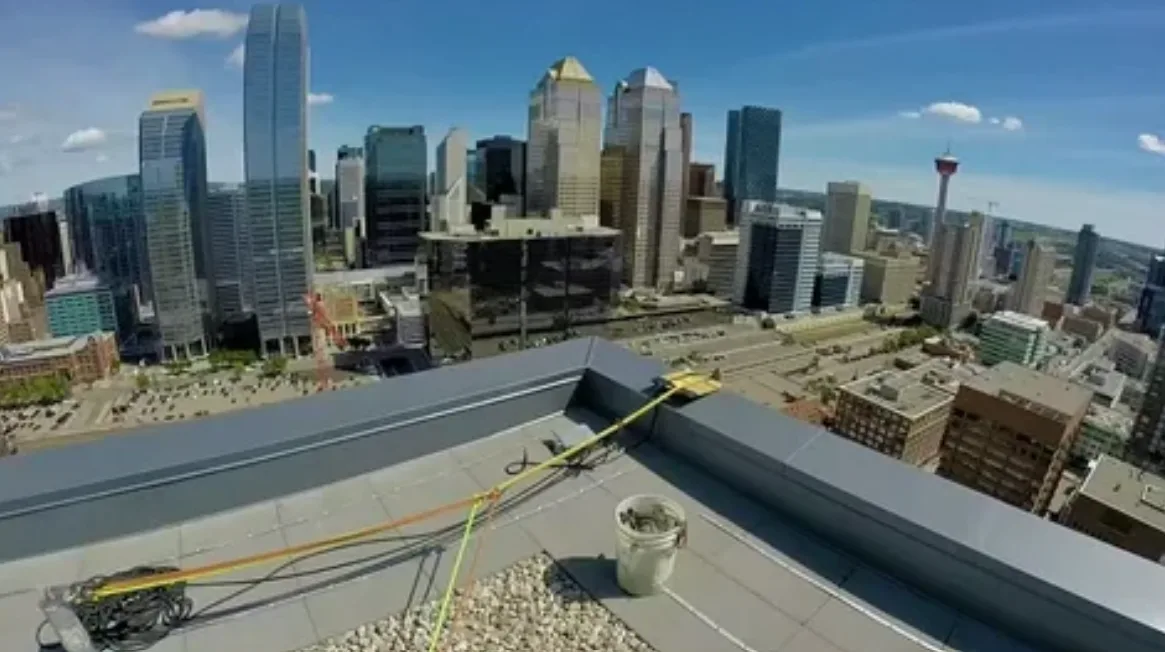
Miami's skyline is built on high-rise construction, and the plumbing inside those buildings is as demanding as any system in the industry. Vertical drain lines, called stacks, run the full height of a building, collecting wastewater from every floor and moving it down to the main sewer connection at grade level. Over time, those stacks accumulate buildup that affects drainage for the entire column of units above them.
High-rise stack cleaning is one of the less visible but more important maintenance services that building managers need to keep on their schedule. When it's done regularly, drainage works the way it should. When it gets skipped for years, the problems that develop tend to affect multiple floors at once.
How a Drain Stack Works
A drain stack is a vertical pipe, typically 4 to 6 inches in diameter in residential high-rises, that collects wastewater from horizontal branch lines on each floor. Every time a toilet is flushed, a sink is drained, or a bathtub empties on any floor, that water travels through the horizontal branch line and into the vertical stack.
The stack carries all of that flow straight down to the building's main drain at the base, where it connects to the municipal sewer system. In a 30-story building, a single stack might be collecting drainage from 30 units, all using the same vertical pipe.
Vent Stacks & Why They Matter
Running alongside the drain stack is a vent stack, which provides air to the drain system. Without adequate venting, the water moving down the stack creates negative pressure that can siphon the water out of trap seals in fixtures. That's what causes the gurgling sound you hear in a drain after a toilet is flushed on a nearby floor, and in more serious cases, it allows sewer gases to enter the unit through dry or compromised traps.
Vent stacks can accumulate debris and biological growth just like drain stacks, and they need to be inspected and cleaned as part of a full stack maintenance program.
What Builds Up Inside a Stack
The inside of a drain stack is not a smooth, clean pipe after years of use. Several types of buildup accumulate over time.
Soap Scum & Grease
In residential high-rises, soap scum from showers and sinks is a constant contributor. It adheres to the pipe walls and creates a rougher surface that collects more debris over time. Buildings with in-unit kitchens also deal with grease from cooking, which solidifies inside the stack and reduces its effective diameter.
Scale Buildup
Miami's water supply, like most of South Florida, carries dissolved minerals that deposit on pipe surfaces. Scale accumulates gradually inside the stack, and in older buildings with cast iron or galvanized steel stacks, that scale combines with corrosion products to create significant interior roughness and reduced flow capacity.
Biological Growth
In the lower sections of a drain stack, where wastewater sits or moves slowly, biological growth develops. The organic material in wastewater provides a food source for bacteria and biofilm. Beyond contributing to odor, biological buildup can accelerate corrosion in metal stacks.
How Stack Cleaning Is Performed
High-rise stack cleaning is typically done from the roof down. A technician accesses the top of the stack through a roof cleanout or access point and feeds a high-pressure jetting hose into the pipe. The jetting nozzle sprays water at pressure against the pipe walls while moving downward, cutting through buildup and pushing it toward the base of the stack.
Because the stack serves multiple floors, access points at intermediate floors are sometimes used to work on specific sections. The process requires coordination with building management to notify residents that drainage may be temporarily interrupted during the cleaning.
Camera Inspection Before & After
In buildings where stack condition is unknown, a camera inspection before cleaning gives the technician a clear picture of what they're dealing with. Significant scale buildup, corrosion, or offset joints change how the cleaning should be approached. An inspection after cleaning confirms the work was effective and identifies any areas that need follow-up.
A to Z Statewide Plumbing has experience working in South Florida's multi-story residential and commercial buildings, and their team understands the logistical requirements of stack cleaning in occupied high-rises, including the coordination with building management and residents that makes the process go smoothly.
How Often Stack Cleaning Should Happen
The right frequency depends on the building's age, pipe material, unit count, and the type of use. A residential high-rise with standard drain use typically benefits from stack cleaning every two to three years. Buildings with commercial kitchen tenants or higher-than-average grease production may need annual cleaning to stay ahead of the buildup.
Older buildings with cast iron stacks that are already showing corrosion may need more frequent inspection to monitor the pipe condition alongside the cleaning program.
Signs That a Stack Needs Attention
Building managers don't always have a maintenance history to work from, especially after a change in ownership or management. Some signs that a stack is overdue for cleaning include slow drainage that affects multiple units on the same vertical line, gurgling sounds in unit drains after neighboring units flush, recurring drain backups on lower floors, and odor complaints from units that don't have an obvious single-unit source.
Any of these patterns in a multi-story building is worth investigating at the stack level rather than treating each unit's drainage problem as an isolated issue.