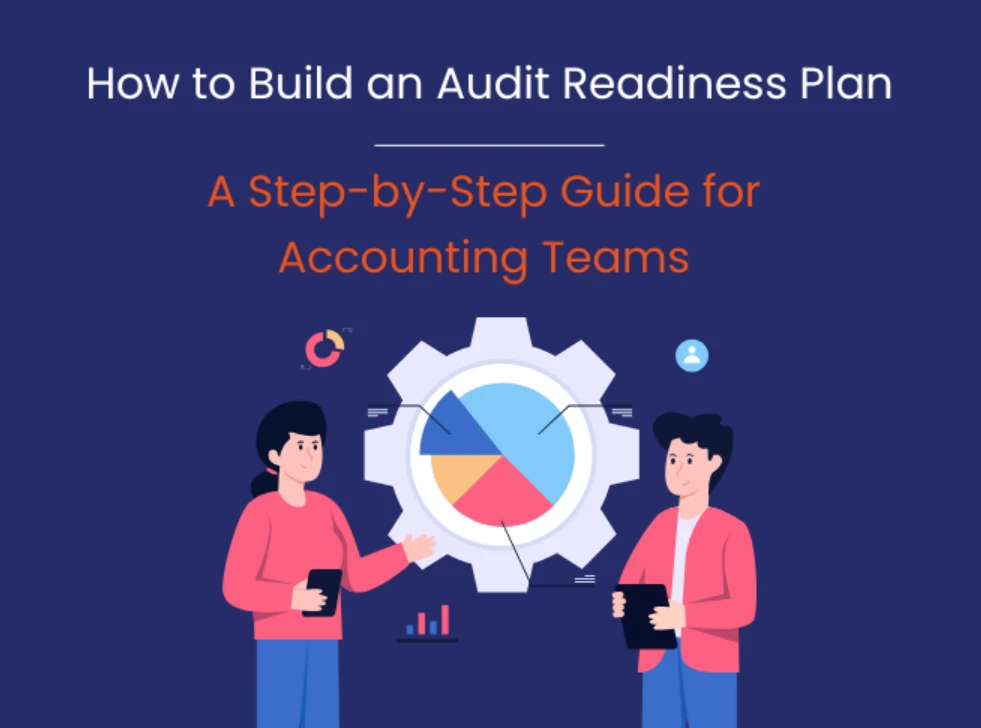
Running a small or mid-sized business in the United States is exciting, but it comes with its fair share of responsibilities. One of those responsibilities—often pushed to the back burner until it’s too late—is preparing for audits. Whether it’s a financial review, compliance check, or even an IRS inquiry, having an Audit Readiness Plan can make the difference between a smooth process and a stressful, costly nightmare.
Instead of waiting for auditors to call, businesses should treat audit preparation as an ongoing practice. In this article, we’ll dive into why small businesses need an Audit Readiness Plan, what it should include, and how you can start building one today without breaking the bank.
Why Small Businesses Need to Care About Audit Readiness
Large corporations usually have CFOs, legal teams, and compliance officers dedicated to preparing for audits. But small businesses? Most rely on a small accounting team—or sometimes just the owner. That’s why audit preparation is often overlooked until the last minute.
Here’s the reality:
- The IRS audited more than 700,000 tax returns in the U.S. in recent years.
- Banks often require audited financials for business loans.
- Investors want transparency before providing funding.
For small businesses, even minor mistakes—like missing documentation for a few transactions—can lead to penalties, delayed funding, or a damaged reputation. An Audit Readiness Plan prevents these headaches.
What Exactly Is an Audit Readiness Plan?
Think of it like a roadmap your business follows year-round. It’s not just about keeping receipts—it’s about being proactive. The plan outlines:
- How financial data is collected and stored.
- Who in your business is responsible for preparing documents.
- What technology and processes you use to stay compliant.
- Steps your team takes to test readiness before auditors arrive.
With a plan, audits become less of an emergency and more of a routine business task.
The Core Elements of a Strong Audit Readiness Plan
1. Organized Recordkeeping
Use accounting software to track income, expenses, payroll, and reconciliations. Cloud tools like QuickBooks, FreshBooks, or Xero are budget-friendly and make recordkeeping consistent.
2. Written Policies and Procedures
Even if your business is small, document how transactions are approved, how cash is handled, and who signs off on expenses. Auditors want clarity.
3. Risk Management
Identify areas that could trigger auditor questions—like cash-heavy operations, rapid growth, or frequent vendor changes—and put stronger checks in place.
4. Mock Reviews
Every few months, do a mini “audit” yourself. Check if invoices are filed, bank statements reconcile, and approvals are documented.
5. Team Awareness
Employees should know what’s expected during an audit. For example, if an auditor asks about expense reports, your bookkeeper should feel confident explaining the process.
Step-by-Step Guide for U.S. SMBs
Step 1: Understand Your Regulatory Landscape
Do you just need GAAP-compliant financials, or are you also subject to HIPAA, SOC, or state-specific requirements? This determines how detailed your readiness plan should be.
Step 2: Assign Roles
Even if you only have a small finance team, assign responsibilities. For example:
- Owner/CEO: oversight.
- Accountant: prepares reconciliations.
- Office Manager: tracks vendor contracts.
Step 3: Digitize Records
Paper filing systems slow everything down. Store contracts, invoices, and payroll docs in secure digital folders with backups.
Step 4: Reconcile Monthly
Don’t wait until year-end. Reconcile bank accounts and credit cards every month. This ensures discrepancies are caught early.
Step 5: Do a Pre-Audit Walkthrough
Pretend an auditor is coming tomorrow. Can you quickly provide last quarter’s payroll records? If not, fix the gaps now.
Step 6: Lean on Experts
CPA firms in the U.S. often offer “audit readiness services” at reasonable rates. They can give small businesses peace of mind without a full-time compliance officer.
Common Small Business Mistakes During Audits
Small businesses often run into the same problems:
- Mixing personal and business expenses. Even small purchases without receipts raise red flags.
- Last-minute scrambling. Waiting until tax season to gather documents is a recipe for mistakes.
- Over-reliance on one person. If only one employee knows how records are managed, audits get delayed when that person is unavailable.
- Lack of documentation. Saying “we always do it this way” doesn’t work. Auditors want written evidence.
Case Study: A Family-Owned Business in Florida
A family-owned construction company in Tampa learned the value of an Audit Readiness Plan the hard way. When their bank requested audited financials before approving a $500,000 line of credit, they weren’t prepared.
- Payroll data wasn’t organized.
- Vendor contracts were missing.
- Expense receipts were scattered.
The loan process dragged on for three months, costing them valuable time and credibility. Afterward, they built an Audit Readiness Plan:
- Hired a part-time CPA to set up digital accounting software.
- Created a simple monthly reconciliation checklist.
- Trained their office manager to manage documentation.
The next time they needed audited statements, they delivered everything in two weeks—and secured their loan without delays.
Tools and Resources for U.S. Small Businesses
Here are practical tools small businesses can use for audit readiness:
- QuickBooks Online: Affordable accounting software widely used in the U.S.
- Gusto: Payroll and HR management tool for small teams.
- AuditBoard Lite: Scaled-down compliance software.
- Local CPA Firms: Many offer hourly audit prep consulting.
- IRS Small Business Portal: Free government resources on compliance.
How to Keep Audit Readiness Ongoing
An Audit Readiness Plan isn’t something you dust off once a year. It should be part of your company’s DNA. Here’s how to keep it alive:
- Schedule Quarterly Checkups. Review key documents every three months.
- Update Policies Annually. As your business grows, update controls.
- Train Employees Regularly. Even seasonal staff should know compliance basics.
- Use Cloud Storage. Securely back up records to avoid missing files.
By making readiness part of normal business operations, you’ll never dread the word “audit” again.
Conclusion
For U.S. small businesses, an Audit Readiness Plan isn’t just about passing audits—it’s about protecting financial health, building trust with lenders, and avoiding costly delays. With the right tools, clear responsibilities, and proactive reviews, even a small team can be fully prepared.
Instead of waiting for an audit to catch you off guard, start building your plan today. It will save you stress, time, and money—and give your business the credibility it needs to grow confidently.