As businesses continue to digitize operations, many are re evaluating the tools they rely on to run day to day processes. For years, off the shelf software has been the default choice because it is accessible and quick to implement. However, as organizations grow and workflows become more nuanced, these standard solutions often begin to show their limitations.
A common issue is misalignment. Pre built platforms are designed for broad audiences, which means they rarely fit any single business perfectly. Teams end up working around the software, adding manual steps or using multiple tools to fill gaps. Over time, this creates inefficiencies that are difficult to scale and even harder to manage.
This is where purpose built software is gaining attention. Instead of adapting processes to fit a system, companies are exploring ways to design systems that reflect how they actually operate. The result is often a more streamlined workflow, where tools support productivity rather than slow it down.
Another important consideration is integration. Modern organizations rely on a mix of platforms for communication, analytics, operations, and customer engagement. When these systems do not connect effectively, data becomes fragmented. Purpose built solutions can help unify these touchpoints, allowing information to flow more freely across the organization and enabling better decision making.
There is also a growing focus on long term adaptability. Business needs do not stay static, and technology should not either. Systems that are flexible by design can evolve alongside the organization, reducing the need for frequent replacements or complex migrations. This becomes particularly valuable in industries where change is constant and speed matters.
Security and control are additional factors influencing this shift. With increasing reliance on digital infrastructure, businesses are more conscious of how their data is managed and protected. Having greater visibility and control over systems can help reduce risk and support compliance requirements.
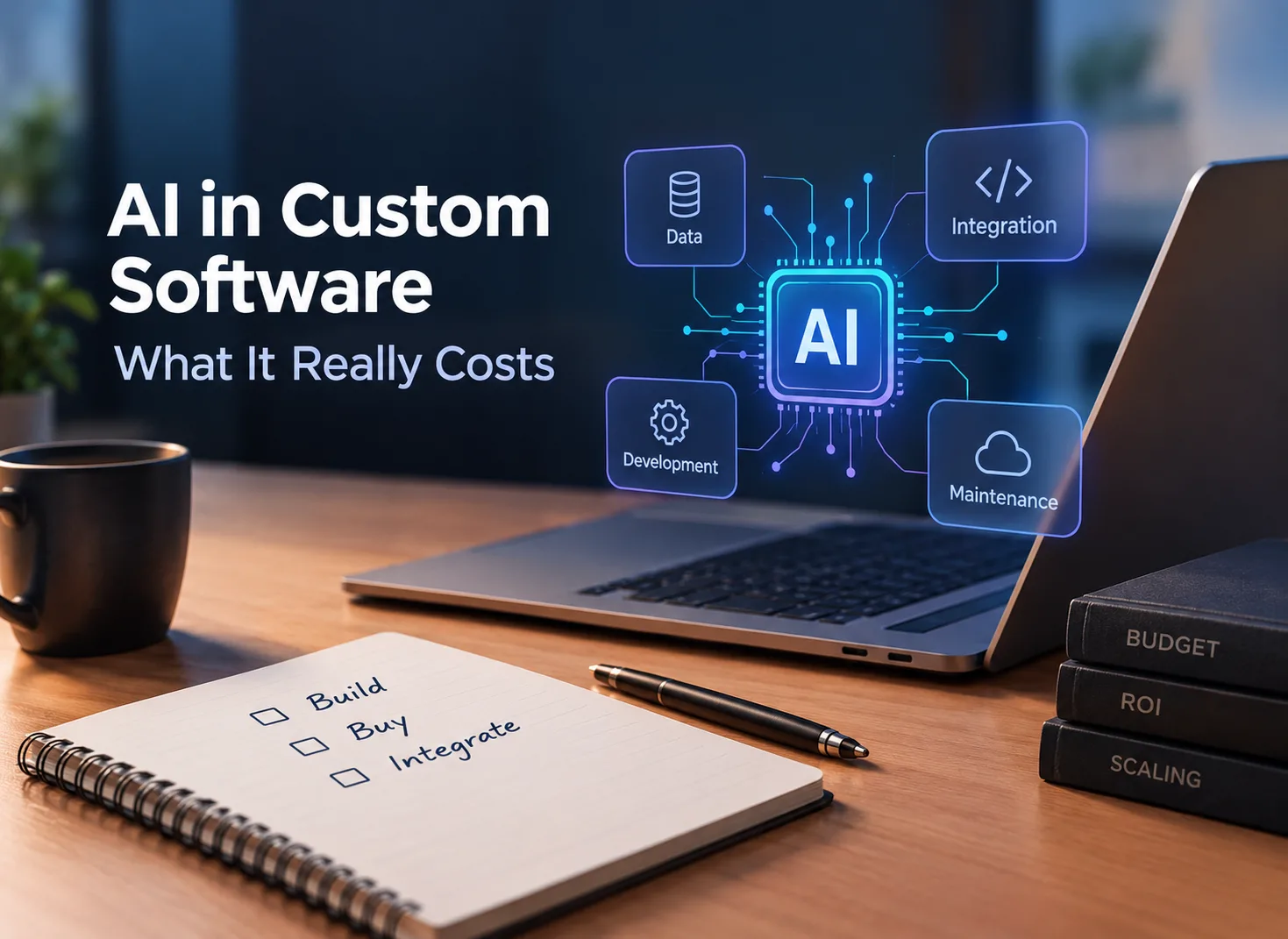
While building tailored solutions requires careful planning and investment, many organizations see it as a strategic move rather than a short term expense. The ability to create technology that aligns closely with business goals can lead to more efficient operations and a stronger foundation for growth.
For teams exploring what this might look like in practice, it can be useful to review how different approaches to custom development are applied across industries. Some providers, such as Konverge , share insights into how organizations are approaching this transition and what considerations come into play when designing software around specific business needs.
As digital expectations continue to rise, the conversation is shifting from simply adopting technology to shaping it. Purpose built software reflects this change, offering a way for businesses to move beyond one size fits all solutions and build systems that truly support how they operate.