The Great Digital Detox
By 2026, we’ve reached a tipping point. After years of staring at screens—zoom fatigue, doom scrolling, and constant notifications—audiences are tired. They want content, but they don't necessarily want to watch it. They want to listen while they live. This shift has sparked a renaissance for radio-style content, but with a modern, high-tech twist.
Welcome to the era of screenless engagement.
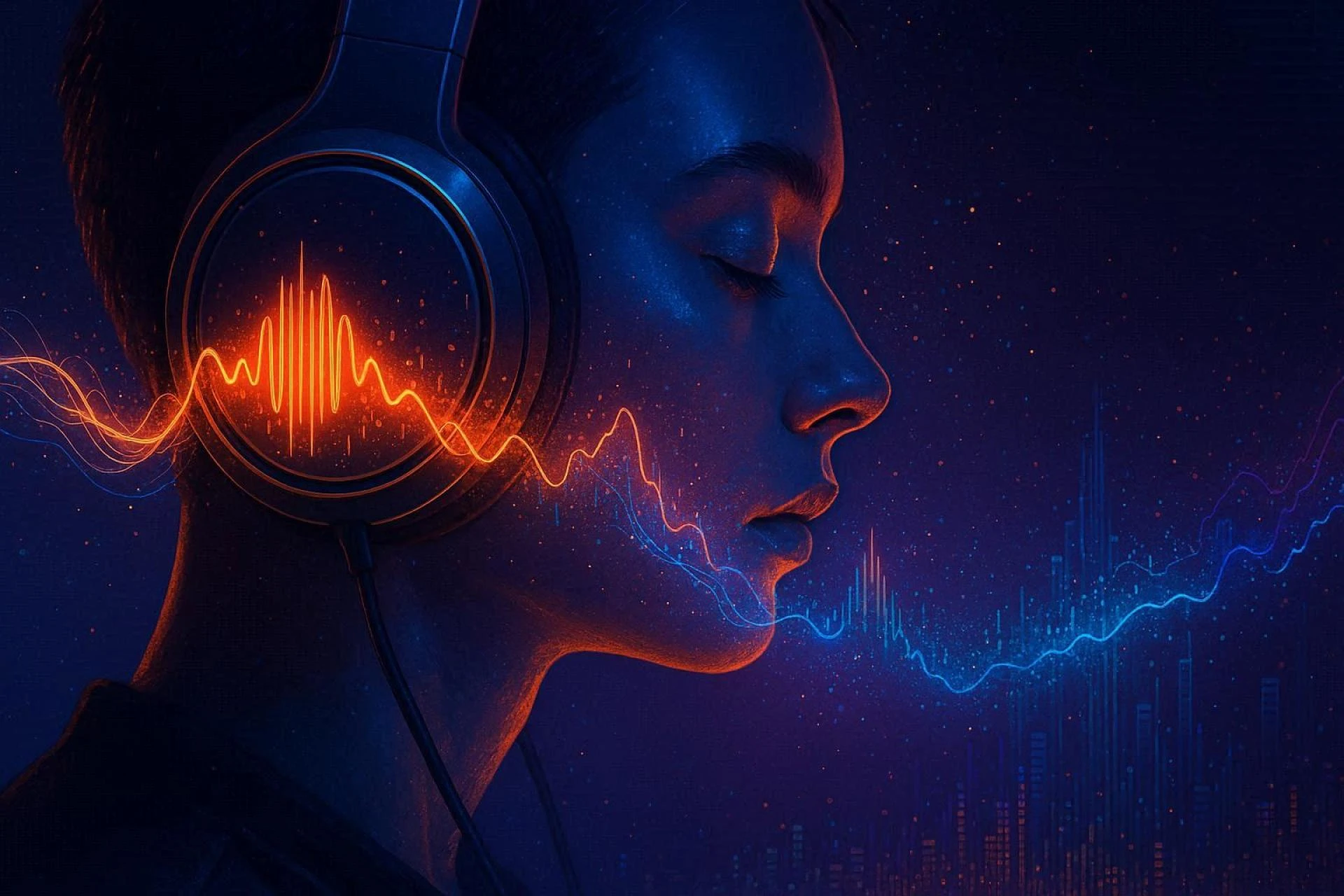
The Rise of Immersive Audio
Podcasting was just the beginning. Today, it’s about real-time connection. Listeners crave immediacy; they want to be part of the conversation as it happens, not just download it later. This demand has turned live audio streaming into the hottest commodity for creators. Whether it’s a virtual concert, a niche talk show, or a guided meditation session, the ability to broadcast crystal-clear sound in real-time is what separates the amateurs from the pros.
But here is the catch: in an audio-first world, quality is everything. A pixelated video is annoying; distorted audio is unlistenable. You need a backend that supports lossless compression and adaptive bitrate technology, ensuring that your voice reaches your audience with studio-grade clarity, regardless of their bandwidth.
The Hybrid Event Horizon
Does this mean video is dead? Absolutely not. In fact, video is more powerful than ever, provided it’s done right. The strategy for 2026 is "hybrid broadcasting." You hook them with the visual, and keep them with the audio.
Consider the modern conference. Attendees might watch the keynote on a screen, but they prefer to listen to the breakout sessions via audio while networking in the hall. This requires a versatile platform capable of handling complex event streaming live logistics. The key is synchronicity. Your platform needs to handle heavy video files and lightweight audio streams with equal efficiency, allowing your audience to switch between "watching" and "listening" without breaking their immersion.
The Tech Stack of a Hybrid Creator
So, how do you navigate this split economy? You stop treating audio and video as separate entities. The most successful broadcasters today use unified platforms that offer low latency across both mediums.
- Prioritize Accessibility: Offer audio-only modes for users on the go.
- Monetize Both: Don’t just sell video ads; sell audio pre-rolls.
- Go Global: Ensure your CDN delivers clear sound to Tokyo and crisp video to Toronto simultaneously.
Final Thoughts
As we move forward, the definition of "content" is expanding. It’s no longer just about what catches the eye; it’s about what captures the ear. By investing in technology that honors both high-definition video and immersive audio, you aren’t just keeping up with the trends—you’re future-proofing your voice in a noisy world.