Introduction
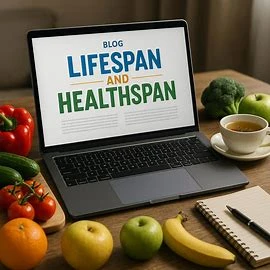
As life expectancy continues to rise globally, retirement is no longer a short phase but a third act of life. Scientists emphasize that healthspan should be the real measure of aging well, not just lifespan. But what does the research actually say?
Understanding Aging at the Biological Level
- Cellular Senescence – Cells stop dividing and cause tissue dysfunction.
- Telomere Shortening – Linked to aging and chronic disease.
- Oxidative Stress – Free radical damage accelerates biological aging.
Science shows we may not be able to stop aging, but we can slow down decline.
Interventions That Work
- Caloric Restriction & Intermittent Fasting – Extend healthspan in animal models and show promise in humans.
- Exercise & Muscle Preservation – Strength is directly linked to longevity.
- Sleep Optimization – Poor sleep shortens both lifespan and healthspan.
- Gut Health & Microbiome – Healthy gut bacteria influence disease resistance.
Retirement Lifestyle and Its Impact
During retirement, people often face lifestyle changes:
- More free time (can be healthy or unhealthy depending on habits).
- Risk of isolation.
- Greater opportunity for physical activity if used wisely.
Breakthroughs on the Horizon
- Senolytic drugs to clear aging cells.
- Gene editing for age-related diseases.
- Personalized medicine for seniors.
Practical Advice for Retirees
- Set routines around exercise, meals, and social activity.
- Monitor health metrics like blood pressure, cholesterol, and glucose.
- Focus on purpose-driven living, which science shows improves longevity.
Conclusion
Retirement can be the healthiest phase of life if guided by science. Focusing on lifespan and healthspan in retirement ensures that longevity comes with vitality.