
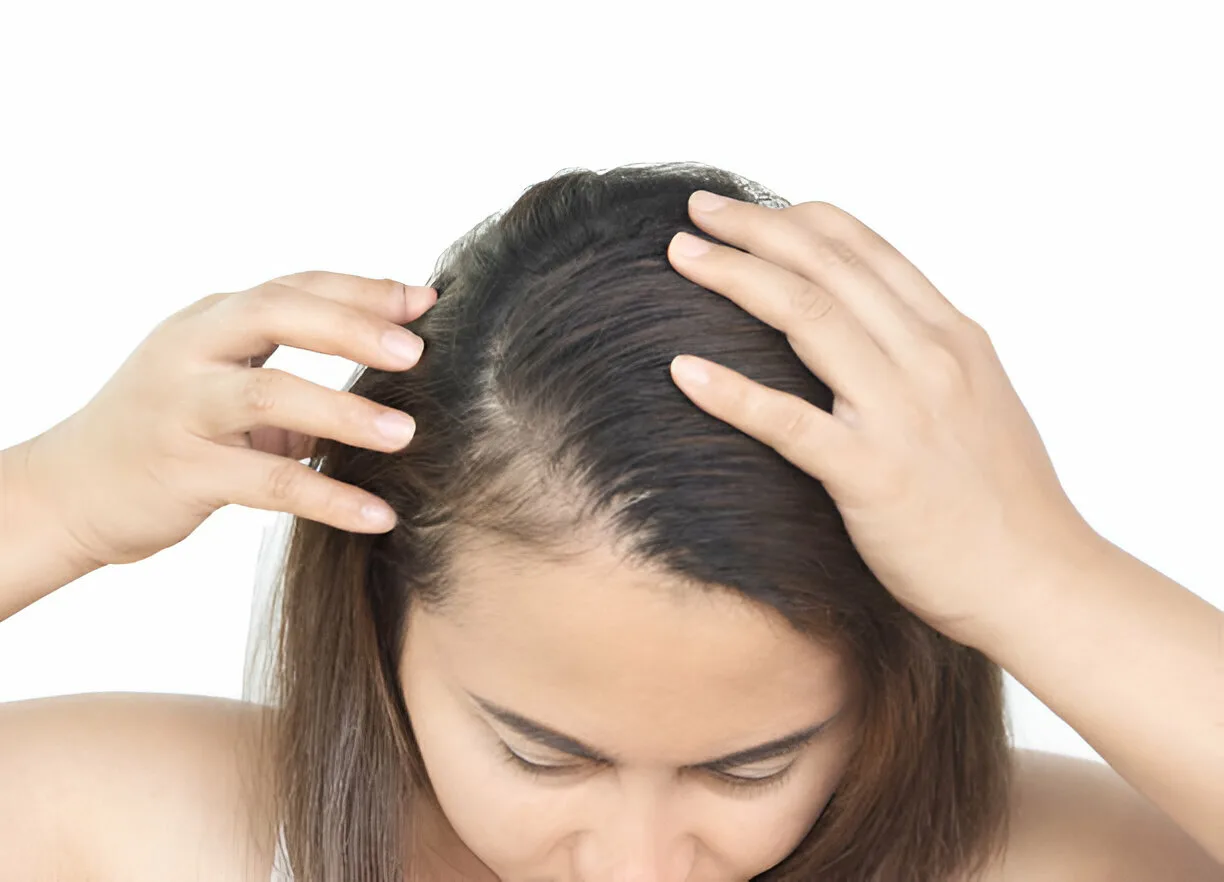
Feeling stressed lately because of excessive hair breakage this monsoon? Are your scalp hairs gradually accumulating on your pillow cover or comb? Is your head gradually turning from dull, thinner hair to bald? All of these are happening due to the increased humidity in the monsoon. It's a season when people face a lot of scalp dandruff, folliculitis, and tinea capitis. All the redness, flaking, swelling, and scaling in the scalp start coming one after another. In most cases, the problems heal naturally following some home remedies and preventive measures. But in some cases, it becomes important to treat the problem with an experienced doctor and, if needed, go for a hair transplant. Want to know everything in detail? Keep reading.
A Synopsis about the Hair Growth Cycle and Monsoon Effect on It
Hair follicles, as they grow on the scalp of people, pass through many stages. The first phase is the Anagen growth phase. In this, the hair grows actively. Ninety percent of a person's hair occurs in this phase. Once the hair grows in this phase, it lasts a long time. The next phase is the Catagen phase. In this phase, the hair goes through a transition. It happens over some weeks, and during that time your hair may fall. The last phase is the Telogen phase. It's a resting phase. In this phase, the hair stops shedding. If they shed at all, the quantity is very low. The 15℅ of hair that sheds during the Catagen phase happens because of many reasons. They are childbirth, monsoon hair breakage, medications, etc. Some other reasons are illness, stress, getting inadequate nutrition, etc. The weather in monsoon remains largely damp. This humid weather results in excessive dandruff on the scalp. So, the place irritates a lot and sheds a considerable amount of hair when we scratch our head or shampoo our hair. The best hair doctor in Varanasi gives solutions to these problems and helps you make your hair even denser than before.
Causes of Monsoon Hair Fall:
Increased Humidity
As air humidity increases, our hair shaft swells. Also, our scalp sweats. So, it becomes oily. It helps the microbes to grow. Gradually, our hair roots get weak. It results in hair breakage.
Seborrheic Dermatitis, Infections etc
During monsoon, humidity results in a lot of dandruff on our scalp. They further support the growth of fungal infections. The head gets itchy and red. You will feel painful bumps on your scalp. The greasy scales on your head make you feel uncomfortable and make your hair fall.
Telogen Effluvium
Once a woman goes through childbirth, the stress makes her hair fall beyond measure. Also, other factors like nutritional deficiency, fever, etc. contribute to this hair fall. Seasonal shedding makes your hair thin on the scalp.
Nutritional Deficiency
Some people with nutritional deficiency in cases of protein, Vitamin D, etc also suffer from excessive hair fall. Other nutrients that you also need in adequate amounts to retain your hair are Vitamin B12, iron, zinc, etc.
Rainwater Pollutants
In urban places, the air is full of pollutants. Also, the rainwater in monsoon attracts pollutants and drops along with them. These pollutants make your hair shaft weak and make your hair fall. Also, keeping hair wet for a long time dampens the roots. It rots them. So, the hair keeps falling.
Few Prevention Tips that you can follow:
Maintain Scalp Hygiene
To prevent unwanted hair breakage, take care of your scalp's health. Instead of keeping the scalp oily, wash the hair and scalp frequently. You can use a pH-balanced shampoo for the best result. Apply the conditioner properly on the hanging hair strands. Avoid applying it on the scalp or hair root. Are you suffering from a fungal infection? Visit the doctor. The application of antifungal shampoo would be the best measure ever.
Keep hair dry
Don't leave your hair damp for a long time. Keeping it wet for hours is a danger to your hair. Wipe the hair out with a dry towel. Use a hair dryer or fan to dry your hair fast.
Minimize Chemical and Mechanical Treatment
Applying chemicals or mechanical tools on your hair may stress your hair and scalp. It results in hair fall. Avoid it. Coloring or rebounding your hair is a danger for it. Also, keep your hair straighteners or hair curlers away. Keep your hair a bit loose as you tie it up. Don't make it too tight.
Intake of Appropriate Nutrition
Intake of food rich in Vitamin D, Protein, iron, zinc, etc. Eggs, fish like Salmon, nuts, and leafy green vegetables are good to go. A good sunlight exposure every day would be very important to treat your hair fall. Also, stress management is very important to keep your hair safe.
Treatment Through Hair Transplant Doctor in Varanasi
If all attempts for hair fall prevention fail, the last resort is to take the support of the best hair transplant doctor in Varanasi. Their advanced techniques will help stop your hair fall. Their customized hair transplant process will help you regain your fallen hair. With it, you will no longer remain bald. The natural-looking results of this treatment have made it so popular. The doctor first does a thorough investigation of one's level of baldness. The investigation of the donor site condition is also done. Then a detailed investigation of the patient's overall health condition is made. The advanced hair transplant processes are of many types. Among them, the most popular are the FUE and DHT processes of hair transplant. The former is a follicular unit extraction treatment. And the latter is a modified version of the former treatment. These techniques restore your hairline. They increase your hair volume.
Summing Up
So, if nothing works, an exceptional hair transplant will definitely do. The awesome results of the well-equipped doctors are spellbinding. The Ultra-modern facilities and their exceptional surgical skills contribute to this result. In most cases, post-procedure care is also provided. Finally, best of luck with your hair regrowth!