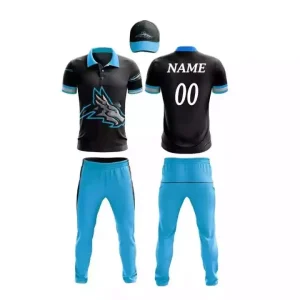
Modern athletes expect their clothing to do far more than look good. Whether they are running, training, competing, or playing team sports, performance apparel must support full-body movement while enhancing endurance, comfort, and durability. Behind every high-quality sportswear piece lies a world of advanced textile engineering. For brands that work with experts such as a custom clothing exporter from Pakistan, a streetwear manufacturer, or dedicated sportswear manufacturers in Pakistan, understanding the science behind fabric technology is essential.
Today’s high-performance sportswear fabrics are engineered to regulate temperature, wick moisture, prevent bacterial growth, improve stretch, and withstand intense physical activity. Let’s explore the key innovations and scientific principles that make high-performance sportswear truly exceptional.
1. Moisture-Wicking Technology: Keeping Athletes Dry
Moisture-wicking fabrics are foundational in sportswear technology. They are specially engineered to pull sweat away from the skin and push it toward the outer surface of the fabric, where it evaporates quickly.
How Moisture-Wicking Works
Wicking occurs through a combination of:
- Capillary action, where moisture travels through microscopic channels within the fiber structure
- Hydrophobic fibers, which repel water and keep sweat from saturating the fabric
- Quick-dry technology, enabling fast evaporation
Synthetic fibers like polyester and nylon are commonly used because they do not absorb moisture. This keeps athletes dry and prevents discomfort during training or competition.
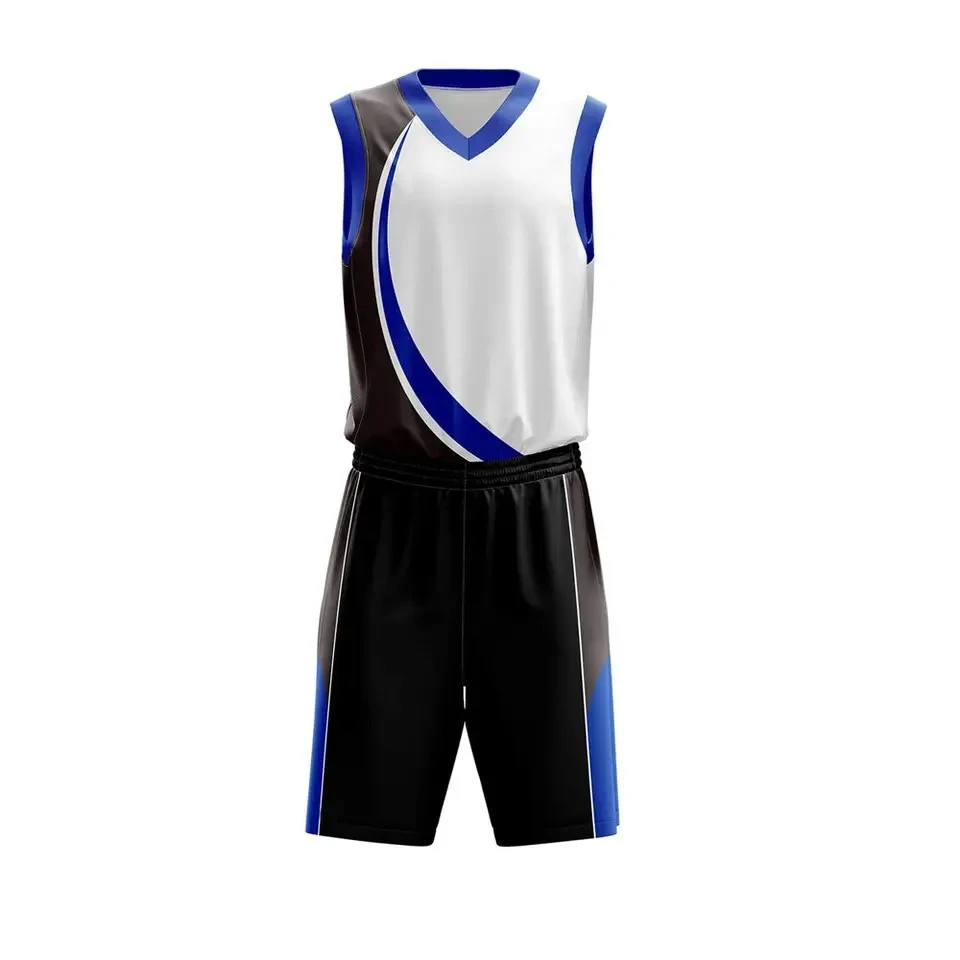
When sports teams source performance jerseys through specialized partners such as basketball uniform manufacturers or field hockey uniform manufacturers, moisture-wicking capability is often a primary requirement.
2. Thermoregulation: Maintaining an Ideal Body Temperature
One of the major scientific goals of sportswear engineering is thermoregulation—helping the body maintain a stable temperature during physical activity.
How High-Performance Fabrics Control Heat
Thermoregulation is achieved through:
- Breathable mesh panels that allow heat to escape
- Moisture evaporation, which naturally cools the body
- Ventilated zones designed based on sweat-mapping studies
- Heat-resistant fibers used in outdoor sports
In colder conditions, technical fabrics trap warm air through brushed interiors or thermal layers, keeping athletes warm without adding bulk.
Advanced thermoregulating materials are widely used in running gear, training apparel, and team uniforms developed by experienced sportswear manufacturers in Pakistan who understand climatic needs and fabric engineering.
3. Stretch & Flexibility: Supporting Natural Movement
Sportswear must move as effortlessly as the athlete who wears it. This is why stretch technology is essential in performance textiles.
Types of Stretch Technology
- Mechanical stretch, created through knitting or weaving techniques
- Elastane/spandex blends, offering 4-way stretch and maximum flexibility
- High-recovery fabrics, ensuring garments maintain their shape even after intense movement
Athletes rely on stretch fabrics for mobility in activities like basketball, cross-training, yoga, and functional fitness. For activewear brands looking to develop leggings, compression tops, or training shorts, collaborating with skilled custom gym wear manufacturers ensures the right balance of stretch, strength, and comfort.
4. Compression Fabrics: Enhancing Performance & Recovery
Compression wear has evolved into a science-backed innovation that aids circulation and supports muscle performance.
Benefits of Compression Textiles
Research shows that compression fabrics can:
- Reduce muscle oscillation
- Increase blood flow
- Improve oxygen delivery
- Enhance endurance
- Speed up recovery
Compression garments apply controlled pressure to key muscles, helping athletes perform better and recover faster.
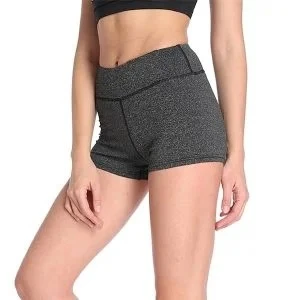
Many brands incorporate compression elements into basketball shorts, running tights, football base layers, and gym apparel, especially when working with advanced custom gym wear manufacturers who specialize in performance-enhanced designs.
5. Durability & Abrasion Resistance: Built for Intense Activity
Sportswear must withstand friction, stretching, repetitive movement, and frequent washing. For this reason, durability is a key part of fabric science.
Why Durability Matters
Performance fabrics must resist:
- Pilling
- Tearing
- Abrasion from movement
- Fiber breakdown from sweat and washing
High-tenacity nylon, reinforced polyester, and double-knit constructions are widely used in sports uniforms. Teams working with basketball uniform manufacturers or field hockey uniform manufacturers often choose fabrics specifically engineered for durability on the court or field.
6. Anti-Odor & Antimicrobial Technology: Staying Fresh
Another innovation shaping modern sportswear is antimicrobial treatment. As athletes sweat, bacteria can build up on fabric surfaces, leading to odor and hygiene issues.
How Antimicrobial Fabric Works
These fabrics are used:
- Silver ion technology
- Copper-based finishes
- Biocidal treatments
These elements inhibit bacterial growth, keeping garments fresh and clean for longer periods.
Activewear brands increasingly prefer antimicrobial-treated fabrics for gym tops, leggings, baselayers, and training apparel.
7. UV Protection: Essential for Outdoor Athletes
Outdoor athletes are exposed to sunlight for extended periods. High-performance fabrics often come with UPF (Ultraviolet Protection Factor) technology to block harmful UV rays.
Benefits of UV-Protective Fabrics
- Reduce sunburn risk
- Minimize UV skin damage
- Provide extended comfort under the sun
UPF-enhanced materials are common in cricket kits, running gear, cycling outfits, and outdoor training apparel.
8. Lightweight Engineering: Strength Without Bulk
High-performance sportswear is designed to feel light, even during intense movement. Lightweight fabrics minimize fatigue and maximize agility.
How Lightweight Fabrics Are Engineered
- Using micro-denier fibers
- Creating tightly knit but lightweight structures
- Reducing unnecessary fabric layers
- Incorporating air-mesh textiles
These techniques ensure athletes can perform at maximum intensity without feeling weighed down.
9. Sublimation-Ready Fabrics: Vibrant, Long-Lasting Teamwear
Sublimation printing has become the standard for professional team uniforms. It produces vibrant, fade-resistant designs that bond directly with the fibers.
Why Sublimation Is Ideal for Sportswear
- Designs never crack or peel
- Colors remain vivid
- The fabric retains breathability
- Customization becomes limitless
Brands collaborating with sportswear manufacturers in pakistan often choose sublimation-ready polyester for jerseys, kits, and uniforms to ensure long-lasting performance and color quality.
10. The Role of Fabric Technology in Modern Sportswear Brands
From thermoregulation to moisture management and high stretch, today’s sportswear fabrics are the result of continuous textile innovation.
Brands that truly understand these technologies can:
- Improve product performance
- Strengthen customer trust
- Reduce return rates
- Build a premium brand identity
When working with advanced production partners such as a custom clothing exporter from Pakistan, a technical streetwear manufacturer, or industry specialists like basketball uniform manufacturers and field hockey uniform manufacturers, brands gain access to high-quality materials and engineering capabilities that enhance product performance.