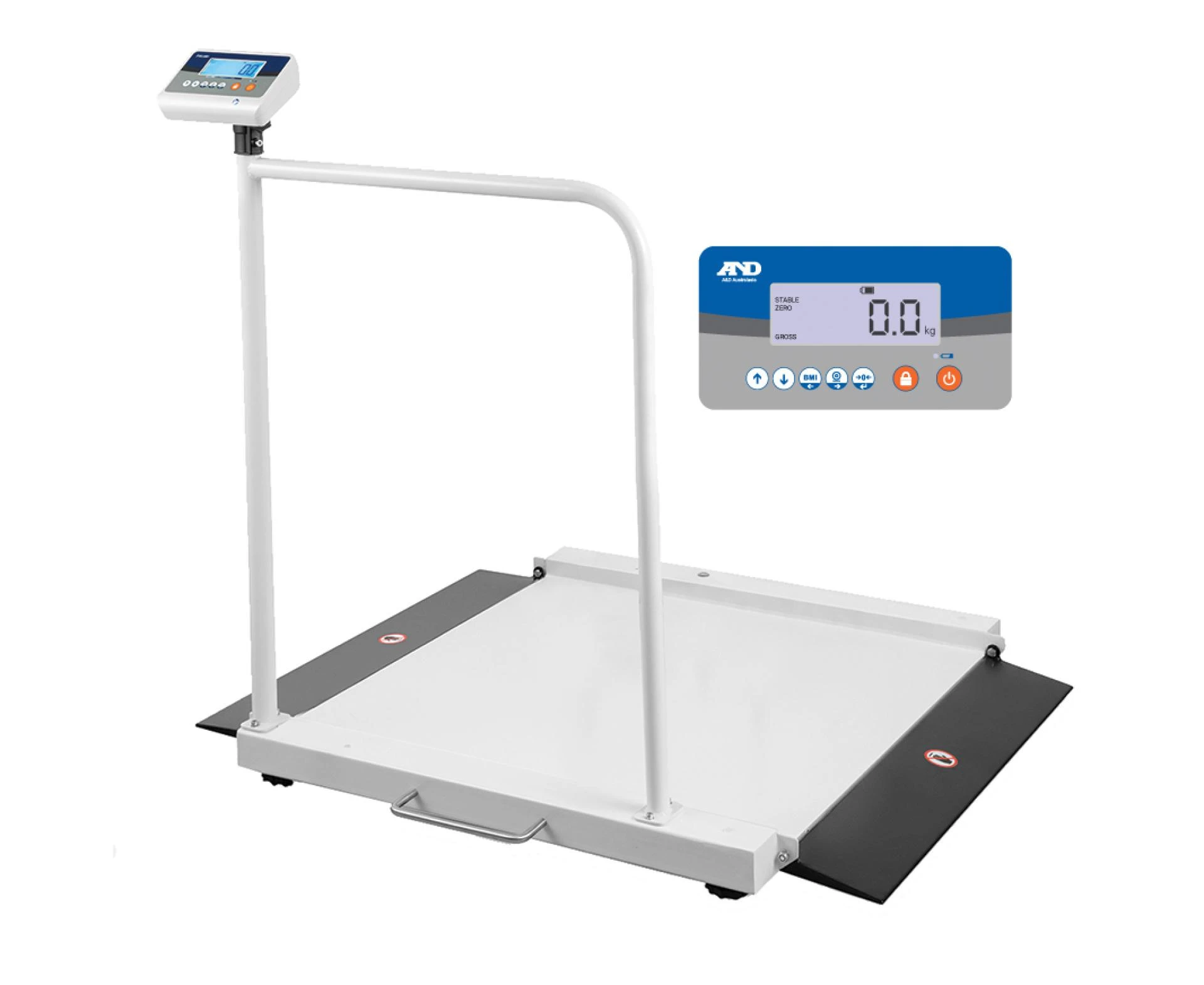
In physical therapy and rehabilitation settings, accurate weight monitoring is a cornerstone of effective care. For patients with mobility impairments, such as those recovering from surgery, injury, or managing chronic conditions, conventional scales are often impractical or unsafe. This is where wheelchair scales play a pivotal role. These specialised devices not only make weighing accessible for individuals in wheelchairs but also enhance the quality of care, safety, and clinical decision-making across physical therapy and rehab programs.
Why Accurate Weight Monitoring Matters in Rehabilitation
Weight monitoring in physical therapy and rehabilitation isn’t just about tracking gains or losses—it’s crucial for:
- Medication dosing: Many medications are weight-dependent, and precise dosing is essential to avoid under- or overdosing.
- Nutrition planning: Patients undergoing rehabilitation often have specific dietary needs to support healing, muscle growth, and energy levels.
- Fluid balance tracking: Particularly in patients with cardiac or renal conditions, weight fluctuations may indicate fluid retention or loss.
- Progress evaluation: Weight trends can reflect improvements in health, muscle mass gain, or complications that may need intervention.
Inaccurate weight data can lead to misdiagnosis, improper treatment, or delayed recovery, making reliable measurement tools like wheelchair scales indispensable.
What Are Wheelchair Scales?
Wheelchair scales are specially designed weighing devices that allow individuals to be weighed while remaining in their wheelchair. These scales accommodate various wheelchair types and are engineered with safety, accessibility, and ease-of-use in mind.
They typically feature:
- Low-profile or ramped platforms for easy wheelchair access
- High weight capacity to support wheelchair and patient
- Tare function to subtract the wheelchair's weight and display the patient’s net weight
- Digital displays for easy readout
- Portable or foldable designs for clinics with limited space
The Role of Wheelchair Scales in Physical Therapy
1. Ensuring Safety During Weigh-Ins
For individuals with limited mobility, transferring to a traditional scale can pose a risk of falls or injury. In rehab settings, many patients are in the early stages of recovery and cannot safely stand or support their own weight. Wheelchair scales eliminate the need for risky transfers, ensuring a safe and dignified weighing process.
2. Supporting Customised Rehabilitation Plans
In physical therapy, programs are tailored to a patient's current health status and goals. Knowing the patient’s weight helps therapists:
- Adjust resistance and weight-bearing activities appropriately
- Track changes in muscle mass or fat composition over time
- Modify nutrition and energy expenditure goals to match physical needs
For example, a patient recovering from a stroke may need progressive weight-bearing exercises. Accurate weight data helps calibrate these interventions precisely and safely.
3. Monitoring Muscle Wasting or Weight Loss
Muscle atrophy and unintentional weight loss can be signs of underlying issues such as malnutrition, disease progression, or complications in therapy. Wheelchair scales allow clinicians to track weight regularly and identify red flags early, triggering timely interventions.
4. Facilitating Accountability and Motivation
Regular weigh-ins can act as milestones, encouraging patients to stay engaged in their rehab journey. Seeing progress, even in small increments, can boost morale, especially in long-term rehabilitation cases such as spinal cord injuries or severe trauma recovery.
Benefits for Clinicians and Facilities
1. Improved Workflow Efficiency
Manual weight measurement methods are not only time-consuming but prone to error. Wheelchair scales streamline this process, freeing up valuable clinician time while improving accuracy.
2. Enhanced Patient Dignity and Comfort
Patients often feel vulnerable during rehabilitation. Requiring them to perform uncomfortable or unsafe movements just to be weighed can negatively impact their emotional well-being. Wheelchair scales uphold patient dignity by allowing weighing in a position that feels secure and familiar.
3. Accurate Record-Keeping for Insurance and Compliance
In many healthcare systems, insurance claims and treatment plans must be supported with accurate, timestamped weight data. Wheelchair scales ensure facilities can meet compliance requirements without compromising care.
Types of Wheelchair Scales
There are several types of wheelchair scales suited for different settings:
1. Platform Scales
These feature a large, flat platform with ramps for easy access. They are ideal for clinics or rehab centers with space for a dedicated weigh-in area.
2. Foldable or Portable Scales
Perfect for home health care or small clinics, these models are lightweight and designed for easy transportation and storage.
3. Integrated Wheelchair Weighing Systems
Some advanced wheelchair models come with built-in weighing technology, allowing users to weigh themselves without any external device. These are especially helpful for patients with long-term or permanent wheelchair use.
Key Considerations When Choosing a Wheelchair Scale
When selecting a wheelchair scale for a rehab or physical therapy setting, consider:
- Platform size – Should accommodate various wheelchair sizes
- Weight capacity – Must support both patient and chair
- Ease of use – Controls and displays should be intuitive for both patients and staff
- Accuracy and reliability – Look for medical-grade calibration
- Mobility – Choose between stationary and portable based on facility needs
- Safety features – Non-slip surfaces, safety rails, and edge guards are important for patient protection
Conclusion: A Vital Tool in the Path to Recovery
Wheelchair scales may seem like a simple piece of equipment, but their impact in physical therapy and rehabilitation is profound. From ensuring accurate diagnostics and treatment planning to protecting patient safety and dignity, they are an essential part of modern rehab care.
As the demand for inclusive healthcare grows, so too does the importance of specialised tools that cater to diverse needs. By integrating wheelchair scales into physical therapy protocols, healthcare providers can offer more responsive, respectful, and effective care—paving the way for better outcomes and faster recoveries.