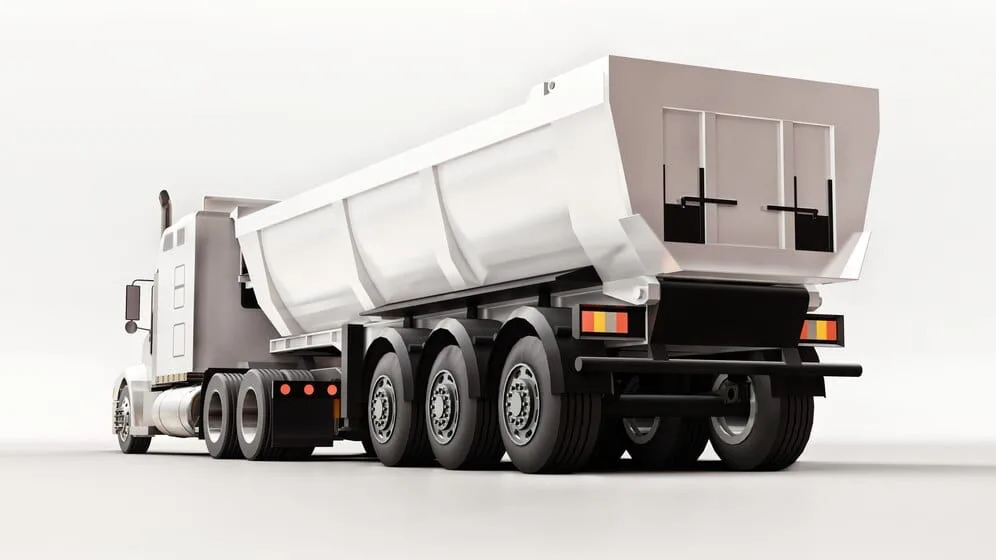
Construction sites are fast-moving, high-pressure environments where visibility and precision can mean the difference between a smooth operation and a costly accident.
Among the often ignored workhorses of these sites are muck trucks, the rugged vehicles that haul away soil, debris, and waste to keep projects running efficiently. Yet despite their strength and reliability, muck trucks operate under some of the most challenging and hazardous conditions imaginable.
That’s where smart camera systems step in, transforming what used to be one of the riskiest parts of construction logistics into a more controlled, data-driven, and safer process.
Let’s take a closer look at how these systems are redefining safety and accountability in muck truck operations.
1. The Hidden Hazards of Muck Truck Operations
Operating muck trucks comes with a unique set of risks. Uneven terrain, poor visibility, and constant movement of heavy equipment create an environment where even a small lapse can lead to an accident. Add in tight deadlines, limited maneuvering space, and long working hours, and it’s clear why safety must be a top priority.
Traditional mirrors and human vigilance alone are no longer enough. Blind spots, reversing accidents, and driver fatigue remain among the most common causes of incidents on construction sites. To tackle these issues head-on, operators are turning to smart video surveillance systems designed specifically for heavy-duty fleets.
2. Seeing Clearly with 360° Awareness
The foundation of modern muck truck safety lies in AHD (Analog High Definition) camera technology. These cameras deliver crystal-clear visuals, allowing drivers and fleet managers to monitor operations in real time. When mounted strategically around the truck, AHD cameras provide a 360° surround view, effectively eliminating blind spots and improving awareness during reversing, loading, and unloading.
With wide dynamic range (WDR) cameras (particularly effective for exterior use) operators can see clearly in harsh lighting conditions, such as when moving between shaded areas and direct sunlight. The ability to maintain visibility under all circumstances ensures that no detail goes unnoticed.
This enhanced visibility has a direct impact on safety. Drivers gain confidence while maneuvering in tight or crowded spaces, and site supervisors can ensure that safety protocols are being followed at every step.
3. AI-Powered Alerts That Prevent Accidents
The newest generation of smart cameras does more than just record; it analyzes. AI-powered video analytics have become an essential layer of safety for muck truck fleets.
By recognizing patterns and detecting irregularities, these systems can identify potential risks before they escalate.
For example:
· Driver Fatigue Detection: Cameras can analyze facial movements and eye blinks to detect signs of drowsiness, issuing alerts to refocus the driver’s attention.
· Collision Warnings: The system can detect nearby objects or personnel in danger zones and trigger audio or visual alerts.
· Unusual Movement Detection: AI can recognize erratic driving patterns or sudden stops, helping fleet managers intervene quickly.
These proactive features reduce the likelihood of accidents and create a culture of accountability and safety awareness among drivers.
4. Real-Time Monitoring Through 4G Connectivity
In an industry where every second counts, 4G-enabled smart cameras provide the real-time connection fleet operators need to stay in control. Through seamless data transmission, managers can monitor their entire fleet remotely, watching live video feeds or reviewing footage immediately after an incident.
This connectivity also allows for instant alerts in case of unexpected events such as a crash, unauthorized access, or unsafe driver behavior. In some cases, automated systems can send a notification directly to the control center, enabling immediate response and assistance.
Beyond safety, this kind of visibility improves operational efficiency. Route optimization, live location tracking, and performance analytics help streamline logistics and minimize downtime.
5. Strength Where It Counts: Built for Harsh Conditions
Muck truck environments are unforgiving, with dust, vibration, and extreme weather pushing equipment to its limits. Smart camera systems designed for this sector need to be equally tough.
MacFaith Co., Ltd., for example, designs its cameras and mobile DVRs with ruggedized housings that resist shock, moisture, and high temperatures. These systems are purpose-built for off-road and construction use, ensuring reliable performance even under the harshest conditions.
6. Accountability Through Data and Evidence
When incidents do occur, having recorded evidence can make all the difference. Smart camera systems provide tamper-proof video and telemetry data, allowing fleet operators to reconstruct events accurately.
This evidence supports fair dispute resolution, insurance claims, and compliance reporting. More importantly, it helps identify the root cause of incidents so that corrective measures can be taken.
For muck truck operators, this kind of transparency fosters a safer workplace culture. Drivers know that their performance is being monitored, encouraging adherence to safety procedures and reducing the temptation to take unnecessary risks.
7. From Monitoring to Management: Smarter Fleet Decisions
Smart cameras also feed valuable data into fleet management systems. With AI-driven analytics, operators gain insights into driver behavior, vehicle usage, idle time, and route efficiency.
Over time, these insights help managers identify patterns that impact productivity and safety. For example:
· Are certain routes leading to higher accident rates?
· Do specific drivers show consistent signs of fatigue or distraction?
· Is equipment being utilized to its fullest potential?
The ability to answer these questions through objective data enables continuous improvement. It also allows companies to train drivers more effectively, reduce maintenance costs, and improve overall operational performance.
The Future of Heavy Vehicle Safety
As AI continues to evolve, smart cameras will become even more capable. We’re already seeing developments in real-time hazard mapping, predictive maintenance alerts, and even vehicle-to-vehicle communication systems that can share safety data across fleets.
For the muck truck industry, these advancements represent an opportunity to make one of construction’s most demanding roles safer, smarter, and more efficient than ever before.
About the Author
This blog was written by an expert at MacFaith Co., Ltd., a company at the forefront of vehicle surveillance innovation. They specialize in designing and manufacturing smart camera systems, AI-driven analytics, and connected safety solutions for commercial and industrial fleets. Their expertise lies in helping businesses enhance safety, efficiency, and accountability across complex operations worldwide.
MacFaith Co., Ltd. Can be contacted here.