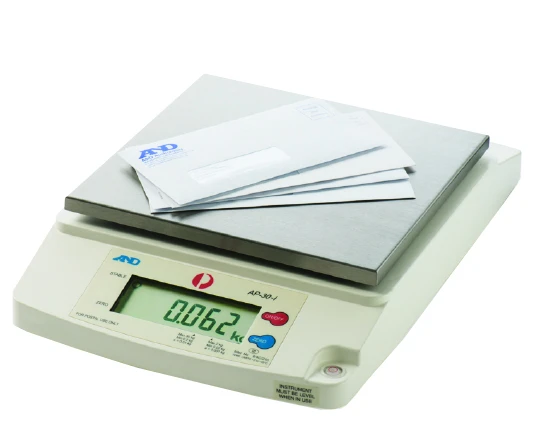
In today’s fast-paced e-commerce and logistics industry, accuracy and efficiency in shipping processes are crucial for businesses to maintain customer satisfaction and minimize operational costs. One of the most critical tools in achieving this precision is the parcel weighing scale. Proper weight measurement not only ensures that customers receive the correct items but also prevents costly errors, reducing customer returns and disputes.
Understanding Parcel Weighing Scales
Parcel weighing scales are specialized devices designed to measure the weight of packages before they are shipped. These scales come in various types, including:
- Digital parcel scales – Provide precise weight readings with easy-to-read digital displays.
- Platform scales – Suitable for handling bulk shipments and larger packages.
- Bench scales – Ideal for small to medium-sized packages in warehouses and shipping stations.
- Pallet scales – Designed for weighing heavy shipments on pallets.
These scales are essential in ensuring that shipping labels, freight charges, and customer expectations align correctly. Any discrepancy in weight measurements can lead to mischarges, incorrect deliveries, and a higher likelihood of returns.
How Parcel Weighing Scales Reduce Errors in Shipping
Errors in package weight measurement can lead to a variety of issues, including inaccurate shipping costs, incorrect deliveries, and dissatisfied customers. Parcel weighing scales help reduce these problems in several ways:
1. Ensuring Accurate Shipping Charges
Shipping carriers calculate costs based on weight and dimensions. If a package is inaccurately weighed, businesses may face unexpected surcharges or undercharge customers, leading to disputes. Parcel weighing scales help businesses:
- Avoid overcharging or undercharging customers.
- Prevent billing disputes with shipping carriers.
- Reduce unnecessary losses due to weight miscalculations.
2. Preventing Order Fulfillment Errors
Incorrect package weights may indicate the wrong items were packed. For instance, if a product’s weight does not match the expected weight in the system, it could be a sign of a missing or extra item. Parcel scales help warehouse staff quickly identify and correct such discrepancies before the package is shipped.
3. Reducing Customer Returns Due to Incorrect Orders
One of the main reasons customers return products is receiving the wrong item. Parcel weighing scales serve as an additional quality control checkpoint to verify that the correct items are packed. By ensuring accurate shipments, businesses can:
- Minimize costly return shipping fees.
- Reduce warehouse labor associated with processing returns.
- Enhance customer trust and satisfaction.
4. Enhancing Inventory Accuracy
Parcel scales contribute to real-time inventory management by ensuring that the right products are being shipped. When weight discrepancies are detected, businesses can investigate and resolve stock inconsistencies before they lead to inventory shrinkage or stockouts.
5. Complying with Carrier and Regulatory Requirements
Shipping carriers and regulatory bodies impose strict guidelines on package weights. Non-compliance can result in penalties, shipment delays, and customer dissatisfaction. Parcel weighing scales ensure that businesses comply with carrier regulations, preventing penalties and delays that could frustrate customers.
Impact on Customer Experience and Retention
A well-managed shipping process leads to fewer errors, improved customer satisfaction, and long-term loyalty. Here’s how parcel weighing scales contribute to a better customer experience:
1. Faster and More Efficient Order Processing
Accurate weight measurements enable businesses to print correct shipping labels instantly, reducing the time spent correcting weight-related errors. Faster processing times result in quicker deliveries, which directly impact customer satisfaction.
2. Transparent Pricing and Fewer Billing Disputes
Customers appreciate transparency when it comes to shipping costs. Unexpected charges due to inaccurate weight measurements can damage a company’s reputation. Parcel scales help ensure customers pay only for the actual shipping cost, reducing complaints and refunds.
3. Lower Return Rates and Increased Customer Confidence
A high return rate can indicate a problem with order accuracy. By using parcel weighing scales as a verification tool, businesses can prevent mistakes and improve order fulfillment accuracy, leading to fewer returns and happier customers.
4. Strengthening Brand Reputation
Reliable deliveries with accurate shipments build trust in a brand. When customers consistently receive the correct items without shipping issues, they are more likely to recommend the business and become repeat buyers.
Choosing the Right Parcel Weighing Scale for Your Business
Selecting the right scale depends on the nature of your shipments. Here are some key factors to consider:
1. Weight Capacity
Choose a scale that accommodates the weight of the packages you typically ship. For small parcels, a digital bench scale is sufficient, while larger shipments may require a platform or pallet scale.
2. Precision and Accuracy
Look for a scale with high precision, especially if your shipments involve lightweight items where even small weight discrepancies matter.
3. Integration with Shipping Software
Many modern parcel scales can be integrated with shipping management systems to automatically update weight measurements, reducing manual data entry errors.
4. Durability and Reliability
If your warehouse handles high shipping volumes, opt for a durable and heavy-duty scale that can withstand frequent use.
5. Legal-for-Trade Certification
If your business charges customers based on package weight, ensure that the scale is certified as Legal for Trade to comply with industry regulations.
Future Trends in Parcel Weighing Technology
The logistics industry is constantly evolving, and so are parcel weighing technologies. Some emerging trends include:
- Automated weighing systems – Integration with conveyor belts for seamless weighing and processing.
- AI-powered scales – Using machine learning to detect weight anomalies and improve accuracy.
- IoT-enabled scales – Real-time data transmission to cloud-based inventory and shipping management platforms.
Conclusion
Parcel weighing scales play a vital role in reducing customer returns and errors by ensuring shipping accuracy, preventing incorrect deliveries, and improving customer satisfaction. By investing in reliable weighing technology, businesses can enhance efficiency, reduce costs, and build long-term customer trust. As e-commerce and logistics continue to grow, adopting precise parcel weighing solutions will remain a critical factor in maintaining competitive advantage and operational excellence.