Interior design has evolved into more than just creating visually appealing spaces. It now plays a critical role in how we interact with environments—whether homes, offices, or commercial areas. As designers continue to push the boundaries of aesthetics and function, the use of innovative materials and techniques has become increasingly popular. Among these, mirror printing is emerging as a standout design feature that blends reflection, creativity, and personalization.
Mirror printing provides designers with the flexibility to transform simple reflective surfaces into unique art pieces or branding statements. By incorporating visual elements directly onto mirrors, this technique brings new depth and dimension to any space. As a result, mirror printing has found its place in modern interior design projects for residential, commercial, and hospitality settings.
What Makes Mirror Printing Special?
Merging Functionality with Art
One of the most distinctive features of mirror printing is its ability to serve both decorative and practical purposes. A printed mirror retains its ability to reflect light and space while showcasing personalized visuals such as patterns, images, or text. This dual function makes it especially useful in compact or design-conscious environments.
High Customization Potential
With mirror printing, designers can achieve a wide range of effects—minimalist logos, elegant motifs, geometric patterns, or even photographic images. This level of customization allows each project to remain unique, catering to client tastes and spatial needs.
Enhancing Visual Depth
Printed mirrors can manipulate light and space, enhancing depth and brightness in interior areas. Whether placed in narrow hallways or cozy living rooms, these mirrors create the illusion of a larger area while also serving as artistic focal points.
Residential Applications of Mirror Printing
Statement Pieces in Living Areas
In living rooms or entrance halls, mirror printing can turn a basic wall mirror into a central decorative feature. For example, an abstract design or family name printed on the mirror can reflect the homeowner’s style and personality.
Customized Bathroom Mirrors
Bathrooms are ideal spaces for mirror printing. Residents can include inspirational quotes, floral designs, or subtle textures that give the room a luxurious, spa-like ambiance without overwhelming the space.
Bedroom Accents
Headboard mirrors or wardrobe door mirrors with soft-printed designs can introduce elegance and creativity into a bedroom. The use of calming visuals helps in creating a serene environment while maintaining the room's function.
Commercial and Office Applications
Branded Office Interiors
Offices can benefit from mirror printing by incorporating company logos, mission statements, or abstract visuals onto mirrors in entryways, meeting rooms, or restrooms. This offers a professional yet welcoming appearance for employees and clients.
Retail Stores
Retail environments often use mirrors to create a sense of space. Printing seasonal graphics, promotional messages, or branding elements on these mirrors enhances the customer experience while maintaining functionality.
Salons and Studios
In places where mirrors are frequently used—like hair salons or yoga studios—mirror printing allows for branding or inspirational messaging that boosts the ambiance without cluttering the space.
Mirror Printing Techniques Used in Design
Direct UV Printing
This method involves printing directly onto the mirror’s surface using ultraviolet light to cure the ink. It ensures vibrant, long-lasting results suitable for permanent installations in high-traffic areas.
Frosted Vinyl Printing
This technique gives a soft, etched-glass appearance and is popular in minimalistic or upscale interior designs. Frosted vinyl is ideal for subtle effects such as borders, patterns, or decorative text.
Reverse Printing
In reverse mirror printing, the image is printed on the backside of the mirror, viewed through the reflective surface. This results in a high-end finish with added protection from wear and tear.
Design Tips for Mirror Printing in Interiors
- Choose complementary colors that blend with existing decor.
- Use soft patterns in intimate spaces to maintain a relaxing vibe.
- Avoid overloading mirrors with text or imagery to retain their reflective function.
- Consider lighting around printed mirrors to enhance visibility and aesthetics.
- Use mirror printing to highlight architectural features or create focal points.
Maintenance and Durability
Proper care ensures mirror printing maintains its beauty and function over time:
- Use non-abrasive, ammonia-free cleaners to avoid damaging the print layer.
- Gently clean with soft, lint-free cloths to preserve clarity and vibrancy.
- For printed vinyl, regularly inspect for lifting or damage in high-moisture areas.
- Avoid excessive heat or direct sunlight for prolonged periods to prevent fading.
Benefits for Designers and Clients
For Designers
Mirror printing offers endless design opportunities that can differentiate their portfolio from competitors. It allows them to merge utility and artistry in a single element while staying aligned with current trends.
For Clients
Clients receive a design solution that is both attractive and practical. Customization ensures the end result matches their tastes, brand identity, or lifestyle. It’s a cost-effective way to enhance interior value without structural changes.
Examples of Stylish Mirror Printing Designs
- A geometric gold pattern printed on a hallway mirror in a luxury condo.
- Motivational quotes on office restroom mirrors to boost employee morale.
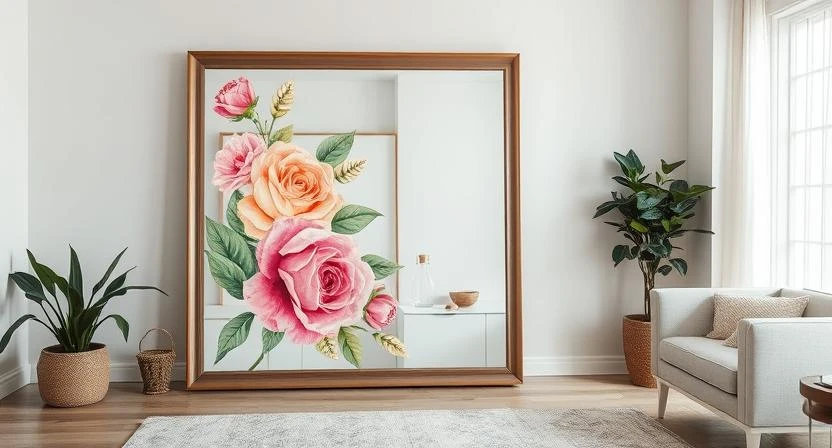
- Floral motifs on bedroom mirrors for a vintage aesthetic.
- Company name and slogan printed on a reception area mirror for brand reinforcement.
Future of Mirror Printing in Interior Design
As printing technologies advance, mirror printing will likely offer even more possibilities, such as metallic inks, 3D textures, or interactive prints. Combined with smart mirror features like lighting and touch control, mirror printing may become a staple in next-generation interiors.
Sustainability is also gaining traction. Eco-friendly inks and materials are being adopted by manufacturers, making mirror printing a responsible choice for environmentally conscious projects.
Conclusion
Mirror printing is transforming the landscape of modern interior design by blending practicality with personal and artistic expression. From luxurious homes to cutting-edge commercial spaces, its versatility makes it a preferred choice among designers and homeowners alike. With the ability to customize, enhance, and elevate, mirror printing is more than a trend—it is a creative solution for design that reflects more than just our image.