Healthcare decisions are rarely based on a single factor. Patients consider the quality of medical services, the experience of healthcare professionals, treatment costs, available technology, and the long-term impact of different options. Healthcare facilities face similar challenges when selecting equipment, maintaining clinical standards, and making services accessible to the communities they serve.
As medical technology continues to develop, understanding how healthcare systems work has become increasingly important. Patients need reliable information to make informed choices, while healthcare providers must balance clinical requirements with practical and financial considerations. From recognising early symptoms to evaluating specialised medical equipment, better awareness can contribute to safer and more effective healthcare decisions.
Why Patient Awareness Should Be a Healthcare Priority
Access to medical information has increased considerably, but not all available information is accurate, complete, or easy to understand. Online searches can introduce patients to unfamiliar medical terms and treatment options, yet they may also expose them to misleading claims or advice that is unsuitable for their circumstances.
Patient awareness should therefore focus on helping people understand their health rather than encouraging them to diagnose or treat themselves. Reliable health education explains common symptoms, available investigations, possible treatment approaches, and situations that require professional attention.
For example, persistent changes in urination, unexplained swelling, recurring pain, or unusual fatigue may deserve medical evaluation. These symptoms can have several possible causes, so a qualified healthcare professional should assess them instead of relying on online descriptions alone.
An informed patient is also better prepared to communicate with a doctor. Keeping a record of symptoms, medications, previous diagnoses, and relevant family medical history can make consultations more productive.
Recognising Kidney-Related Problems Before Complications Develop
Kidney health illustrates why awareness and timely medical assessment matter. The kidneys help remove waste products, regulate fluid levels, and maintain the balance of important minerals in the body. Certain conditions can affect these functions gradually, sometimes without producing obvious symptoms during their early stages.
Kidney stones are one example of a condition that requires appropriate assessment. These solid deposits develop when substances in urine crystallise and accumulate. Their size and location influence whether they pass naturally or require medical intervention.
A condition described as renal concretion refers to the formation of solid deposits within the urinary system. Depending on the circumstances, a person may experience pain in the side or back, blood in the urine, nausea, or discomfort while urinating. However, symptoms alone cannot establish the diagnosis.
Medical professionals may use urine tests, blood investigations, and imaging examinations to understand the problem. Treatment decisions depend on the findings, the patient's overall health, and whether complications such as infection or urinary obstruction are present.
Fever, chills, severe pain, or difficulty passing urine alongside suspected kidney stones should not be ignored. These symptoms may require urgent medical assessment. Early evaluation can help identify the underlying issue and determine an appropriate course of care.
Medical Technology and the Importance of Equipment Selection
Modern healthcare depends on equipment that supports accurate assessment, safe procedures, and effective treatment. However, purchasing medical technology involves more than comparing product specifications or selecting the lowest available price.
Healthcare facilities should evaluate equipment according to its intended clinical use, compatibility with existing systems, maintenance requirements, and the availability of trained operators. These considerations are particularly important for specialised equipment used in procedures that require continuous monitoring.
A practical equipment assessment should include:
- Clinical suitability: Does the equipment meet the actual needs of the department and the patients it serves?
- Safety features: Are appropriate monitoring systems, alarms, and protective mechanisms available?
- Technical support: Can the supplier provide installation, servicing, spare parts, and troubleshooting?
- Operating expenses: What recurring costs will arise from consumables, maintenance, and utilities?
- Staff training: Are qualified personnel available to operate the equipment correctly?
- Long-term reliability: Is there a clear maintenance plan to support consistent performance?
This approach helps healthcare organisations look beyond the initial purchase and consider the full cost of operating equipment throughout its useful life.
Understanding the Financial Side of Medical Equipment
Budget planning is an important part of maintaining sustainable healthcare services. Hospitals and specialised treatment centres must account for equipment purchases, installation, staff training, consumables, servicing, and other operational expenses.
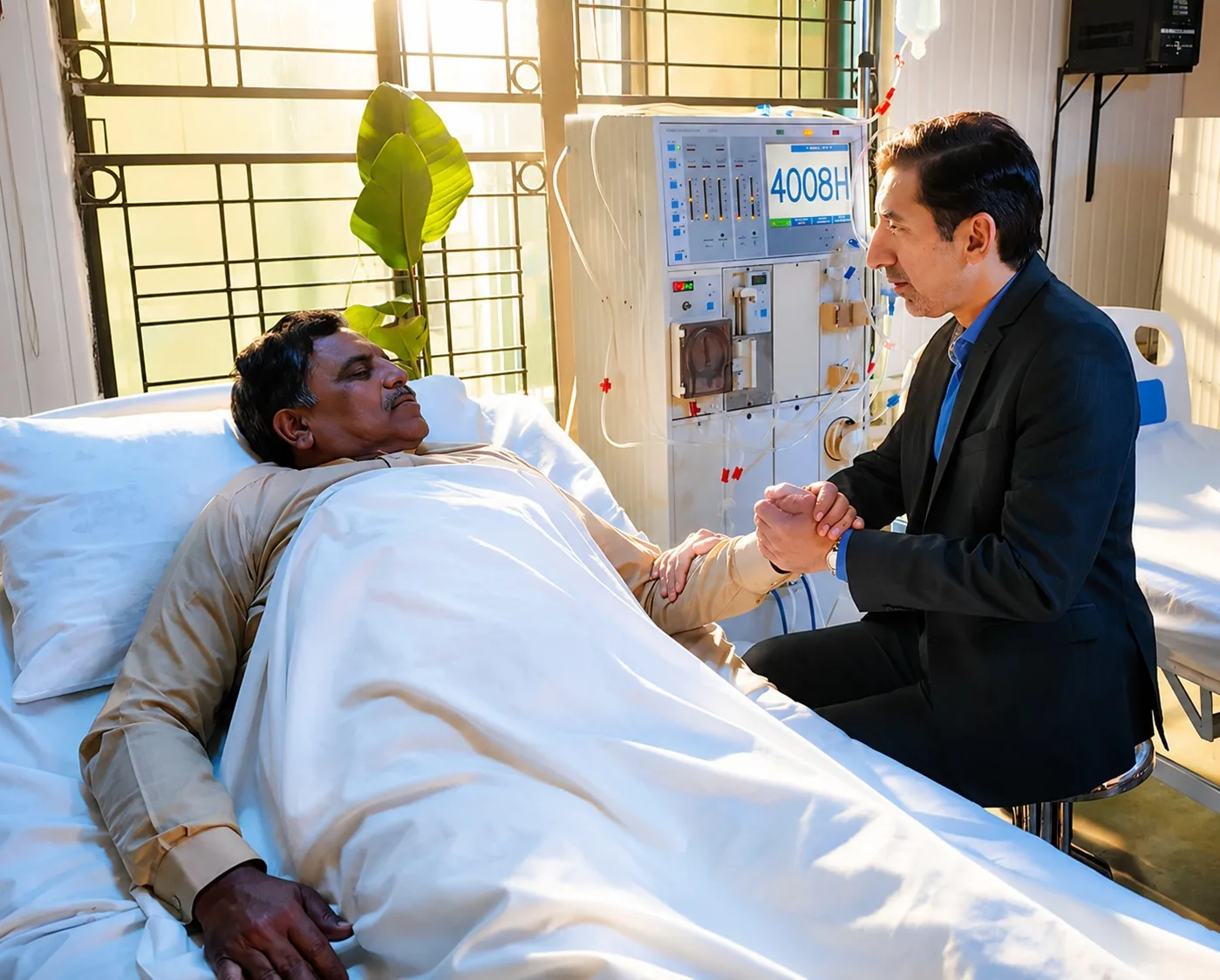
Dialysis services provide a useful example. A dialysis machine supports hemodialysis by circulating blood through a specialised filtering system and monitoring important treatment parameters. However, a functional dialysis service also requires suitable water treatment, dialyzers, bloodlines, trained staff, infection-control procedures, and regular equipment maintenance.
For this reason, anyone researching the dialysis machine price in pakistan should consider the broader financial requirements instead of focusing exclusively on the purchase price. Equipment type, manufacturer, specifications, condition, warranty, and after-sales support can all influence the overall investment.
Healthcare administrators should also distinguish between initial capital expenditure and recurring operating costs. A machine that appears affordable at the time of purchase may become expensive to maintain if spare parts or technical assistance are difficult to obtain.
Obtaining detailed quotations, comparing supplier support, and reviewing maintenance arrangements can help facilities make more responsible purchasing decisions. For specialised medical equipment, decisions should also involve qualified clinical and technical professionals.
The Connection Between Preventive Care and Long-Term Healthcare Costs
Preventive care is often discussed in terms of individual well-being, but it also has implications for healthcare systems. Identifying health risks early may allow professionals to manage certain conditions before they become more complicated.
Regular health assessments can be particularly valuable for people living with diabetes, high blood pressure, or other conditions associated with kidney problems. Depending on individual risk, clinicians may recommend blood pressure monitoring, blood glucose testing, kidney function tests, and urine investigations.
Prevention does not mean that every illness can be avoided. Genetics, existing medical conditions, age, and other factors can influence a person's health. Nevertheless, appropriate monitoring and early professional guidance can support better management.
Some practical steps include:
- Following treatment plans prescribed by qualified healthcare professionals.
- Attending recommended check-ups and screening appointments.
- Maintaining a balanced diet suited to individual health requirements.
- Avoiding unnecessary use of medicines that may affect kidney function.
- Staying physically active within personal medical limitations.
- Seeking advice when new or persistent symptoms appear.
People with diagnosed kidney conditions may require specific dietary and fluid recommendations. General health advice should not replace individual guidance from a doctor or renal dietitian.
Building Trust Through Clear Healthcare Communication
Technology and medical facilities are only part of an effective healthcare system. Communication between patients and healthcare professionals is equally important. People should understand why a test is recommended, what a treatment involves, what alternatives may exist, and which risks or follow-up requirements need consideration.
Healthcare providers can improve communication by using clear language, explaining unfamiliar medical terminology, and allowing patients to ask questions. Written instructions, follow-up plans, and accessible educational resources can also help patients and caregivers manage treatment more confidently.
Healthcare organisations should make information easy to find and update it when clinical guidance or service arrangements change. Content should distinguish between general educational information and personalised medical advice. This helps readers understand the limits of online resources and encourages appropriate professional consultation.
Conclusion
Better healthcare decisions require a combination of patient awareness, reliable medical information, appropriate technology, and responsible financial planning. Recognising potential health concerns early, understanding available investigations, and evaluating treatment equipment carefully can help patients and healthcare organisations make more informed choices.
The wider goal should not simply be access to more medical technology, but access to suitable, properly maintained equipment supported by trained professionals and clear patient communication. When preventive care and informed decision-making become priorities, healthcare systems are better positioned to provide safe, sustainable, and patient-focused services.