
In an era where data is often more valuable than gold, the role of an Information Systems (IS) Auditor has shifted from a "compliance checkbox" to a critical pillar of cybersecurity. While security analysts build the walls, IS Auditors are the ones stress-testing the gates to ensure those walls actually work.
What is an IS Auditor?
An IS Auditor is a specialized professional who evaluates the integrity, availability, and confidentiality of an organization's information technology infrastructure. In the context of cybersecurity, they act as the "Third Line of Defense."
The Three Lines of Defense
- Operations: IT staff implementing security controls.
- Risk Management: Security officers (CISO) setting policies and monitoring threats.
- Internal Audit: The IS Auditor provides independent assurance that the first two lines are performing correctly.
Key Contributions to Cybersecurity
1. Identifying Control Gaps
Auditors look for the "cracks" that automated tools might miss. This includes checking if terminated employees still have access to the server room or if the backup encryption keys are stored in a plain text file.
2. Risk Assessment and Management
They help organizations prioritize where to spend their security budget. By calculating the likelihood and impact of a threat, they ensure that the company isn't spending $10,000 to protect a $100 asset.
3. Compliance and Governance
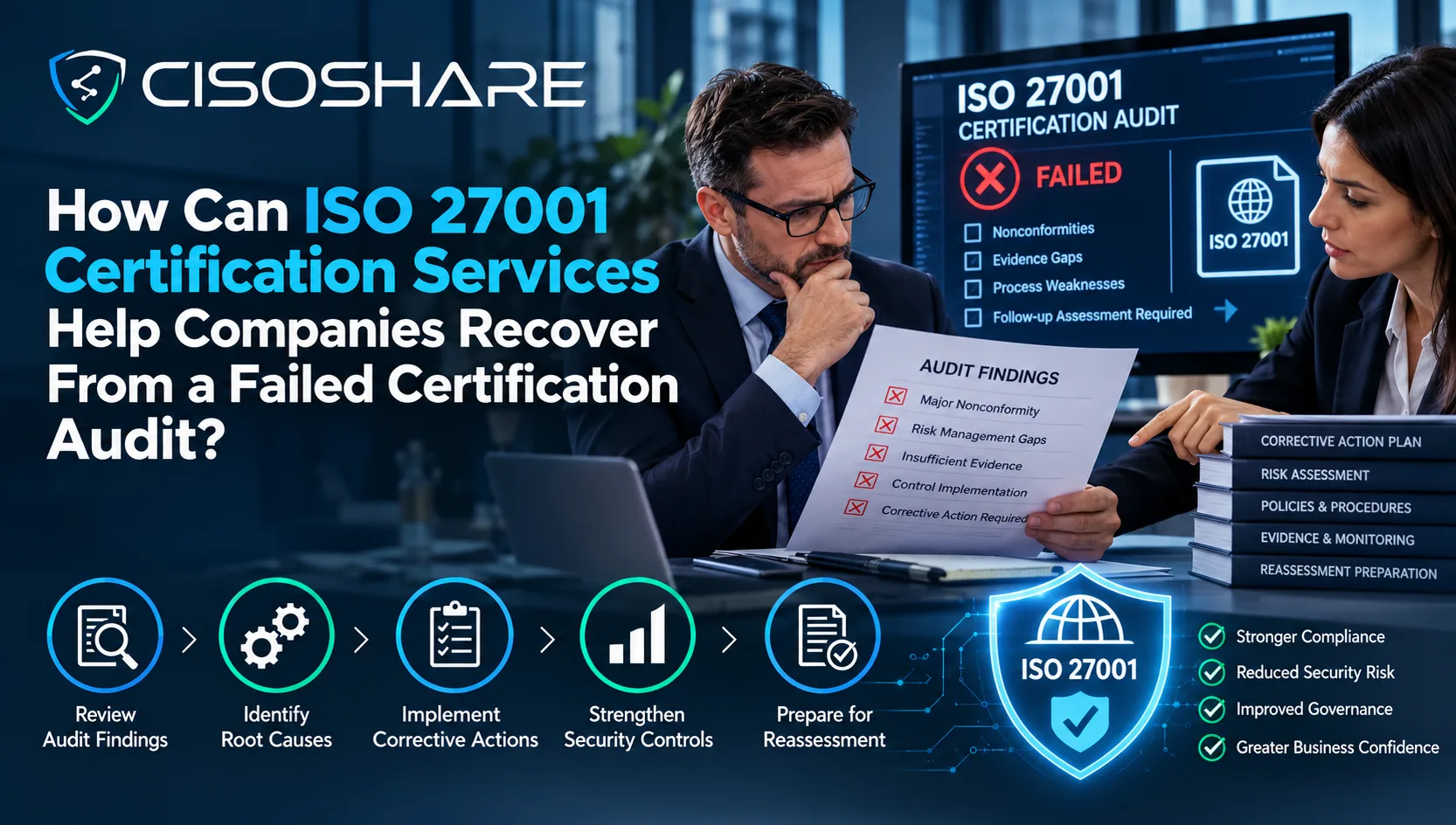
With regulations like GDPR, HIPAA, and PCI-DSS, a failed audit isn't just a security risk—it’s a legal nightmare. Auditors ensure the organization meets these global standards to avoid massive fines and reputational damage.
4. Incident Response Evaluation
When a breach occurs, the IS Auditor reviews the response.
- Did the team follow the protocol?
- Where did the communication break down?
- How can we prevent the exact same entry point from being exploited again?
Essential Skills for the Modern Auditor
To be effective in cybersecurity, an auditor needs more than just a clipboard. They often hold certifications like the CISA (Certified Information Systems Auditor) or CISSP.
Skill Area
Importance in Cybersecurity
Technical Literacy
Understanding cloud architecture, firewalls, and encryption.
Data Analytics
Using software to sift through logs and find anomalies.
Communication
Translating "technobabble" into business risks for the Board of Directors.
Skepticism
Never taking "it’s secured" at face value without seeing the evidence.
The "Check Engine" Light of the Digital World
Think of a cybersecurity program like a high-performance car. The security engineers are the mechanics, but the IS Auditor is the diagnostic system. They might not be the ones changing the oil, but they are the ones telling you that the brakes are about to fail before you hit the highway.
Without the objective eye of an auditor, security often becomes "theatre"—it looks good on the surface, but it won't hold up under a real attack.