
In today’s competitive food industry, maintaining product freshness and quality is more important than ever. Consumers expect safe, fresh, and long-lasting food products — whether it’s snacks, dairy, frozen foods, or ready-to-eat meals.
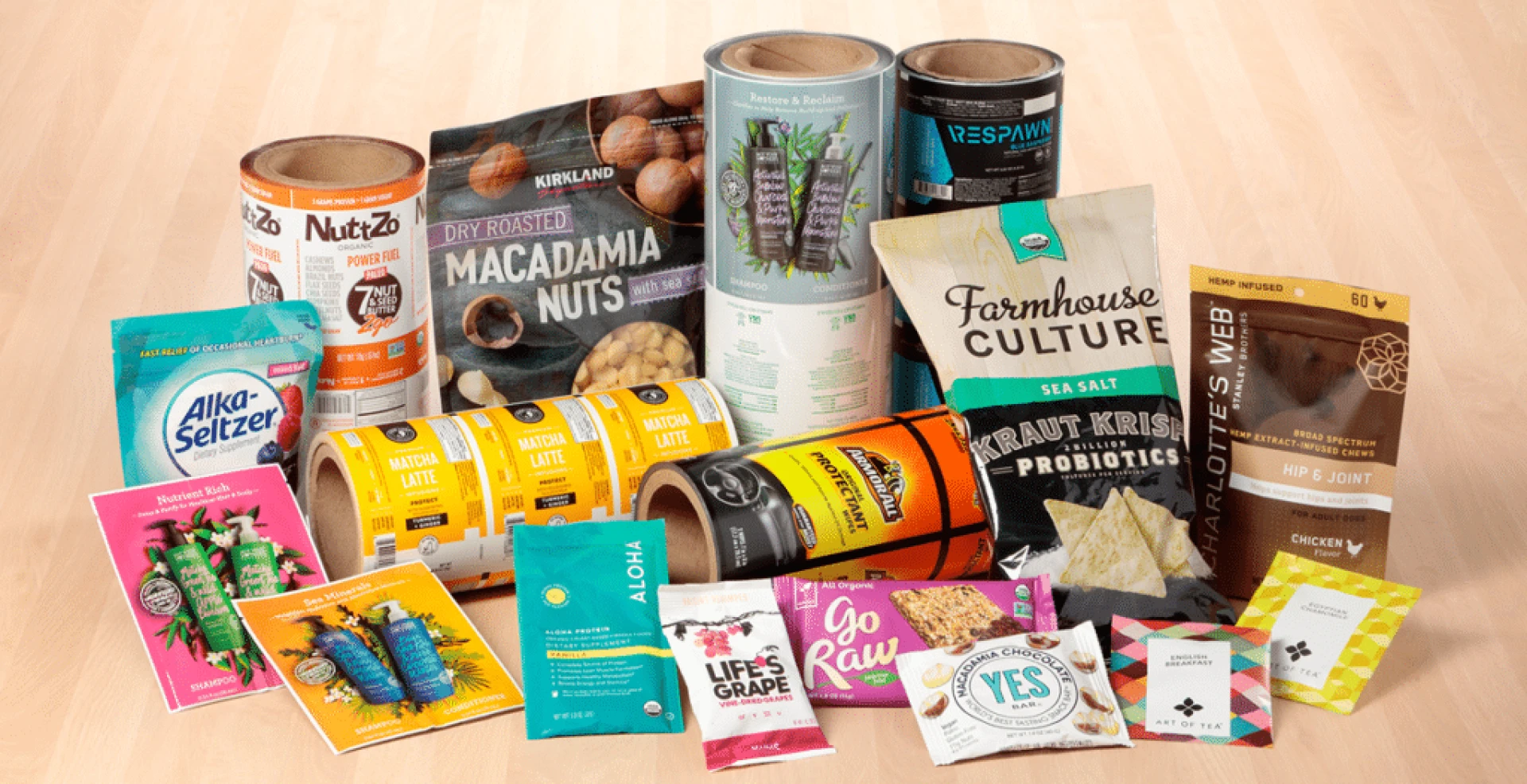
This is where high-barrier packaging plays a crucial role. Advanced packaging technologies, especially modern flexible packaging solutions, help protect food from spoilage and extend its shelf life significantly.
Companies like Whitelotus are leading the way by providing innovative packaging solutions that preserve food quality while maintaining safety and sustainability standards.
Let’s understand how high-barrier packaging works and why it is essential for food products.
What Causes Food Spoilage?
Food spoilage happens when food products lose their freshness, safety, taste, texture, or nutritional value. Several factors contribute to spoilage:
1. Oxygen Exposure
Oxygen can cause oxidation, leading to rancidity in oils and fats. It also supports the growth of aerobic bacteria and mold.
2. Moisture
Too much moisture can lead to bacterial growth, while moisture loss can dry out products like bread and snacks.
3. Light Exposure
UV light can degrade vitamins and alter flavor and color.
4. Microorganisms
Bacteria, yeast, and molds multiply quickly under favorable conditions.
5. Temperature Changes
Improper storage temperatures accelerate chemical reactions and microbial growth.
High-barrier packaging is specifically designed to control or block these factors.
How High-Barrier Packaging Works
High-barrier packaging works by creating a protective shield around food products. It prevents external elements like oxygen, moisture, light, and contaminants from entering the package.
Modern flexible packaging solutions use multiple layers of specialized materials that each serve a specific function:
- Oxygen barrier layer
- Moisture barrier layer
- Light protection layer
- Sealing layer for airtight closure
By combining these layers, manufacturers ensure that food stays fresh for a longer period without excessive use of preservatives.
At Whitelotus, advanced packaging technologies are used to create customized high-barrier structures that meet the specific needs of different food categories.
Types of High-Barrier Packaging Materials
Different materials are used depending on the product’s requirements. Some of the most common high-barrier materials include:
1. Aluminum Foil
- Excellent barrier against oxygen, moisture, and light
- Commonly used in snacks, coffee, and pharmaceutical packaging
2. Metallized Films
- Lightweight alternative to aluminum foil
- Offers good oxygen and moisture protection
- Cost-effective option for many food brands
3. EVOH (Ethylene Vinyl Alcohol)
- Superior oxygen barrier
- Often used in multilayer flexible packaging
4. Polyamide (Nylon)
- Strong and puncture-resistant
- Ideal for vacuum packaging
5. Multilayer Laminates
- Combination of different materials
- Customizable for various food applications
Whitelotus specializes in developing high-performance flexible packaging solutions using multilayer laminates to ensure maximum protection and durability.
Key Benefits of High-Barrier Packaging
High-barrier packaging offers several important benefits for food manufacturers and consumers alike.
1. Extended Shelf Life
By reducing oxygen and moisture exposure, food products stay fresh longer.
2. Reduced Food Waste
Longer shelf life means less spoilage during transportation and storage.
3. Maintained Flavor and Nutrition
Proper barrier protection preserves taste, aroma, and nutritional value.
4. Enhanced Food Safety
Prevents contamination and microbial growth.
5. Cost Efficiency
Less product loss leads to higher profitability.
6. Lightweight and Convenient
Modern flexible packaging solutions are lighter than traditional rigid packaging, reducing transportation costs.
With advanced innovation from companies like Whitelotus, brands can achieve both performance and sustainability goals.
Factors to Consider When Choosing High-Barrier Packaging
Selecting the right packaging solution depends on multiple factors:
1. Type of Food Product
Dry foods, frozen foods, dairy, and liquid products require different barrier properties.
2. Required Shelf Life
Longer shelf life may require higher oxygen and moisture barriers.
3. Storage and Distribution Conditions
Products exposed to high humidity or long transportation need stronger protection.
4. Regulatory Compliance
Food-grade materials must meet safety standards.
5. Sustainability Goals
Eco-friendly and recyclable options are increasingly important.
6. Cost and Branding
Packaging should balance performance, budget, and attractive design.
By partnering with experienced providers like Whitelotus, businesses can access customized flexible packaging solutions tailored to their specific product needs.
Conclusion
High-barrier packaging plays a vital role in protecting food products from spoilage and extending shelf life. By preventing oxygen, moisture, light, and contamination from affecting the product, it ensures better quality, safety, and consumer satisfaction.
With the growing demand for fresh and long-lasting food products, investing in advanced flexible packaging solutions is no longer optional — it’s essential.
Whitelotus continues to support food brands with innovative, high-performance packaging solutions designed to enhance product longevity, reduce waste, and improve overall efficiency.
In a world where freshness matters, high-barrier packaging is the key to delivering quality from production to plate.