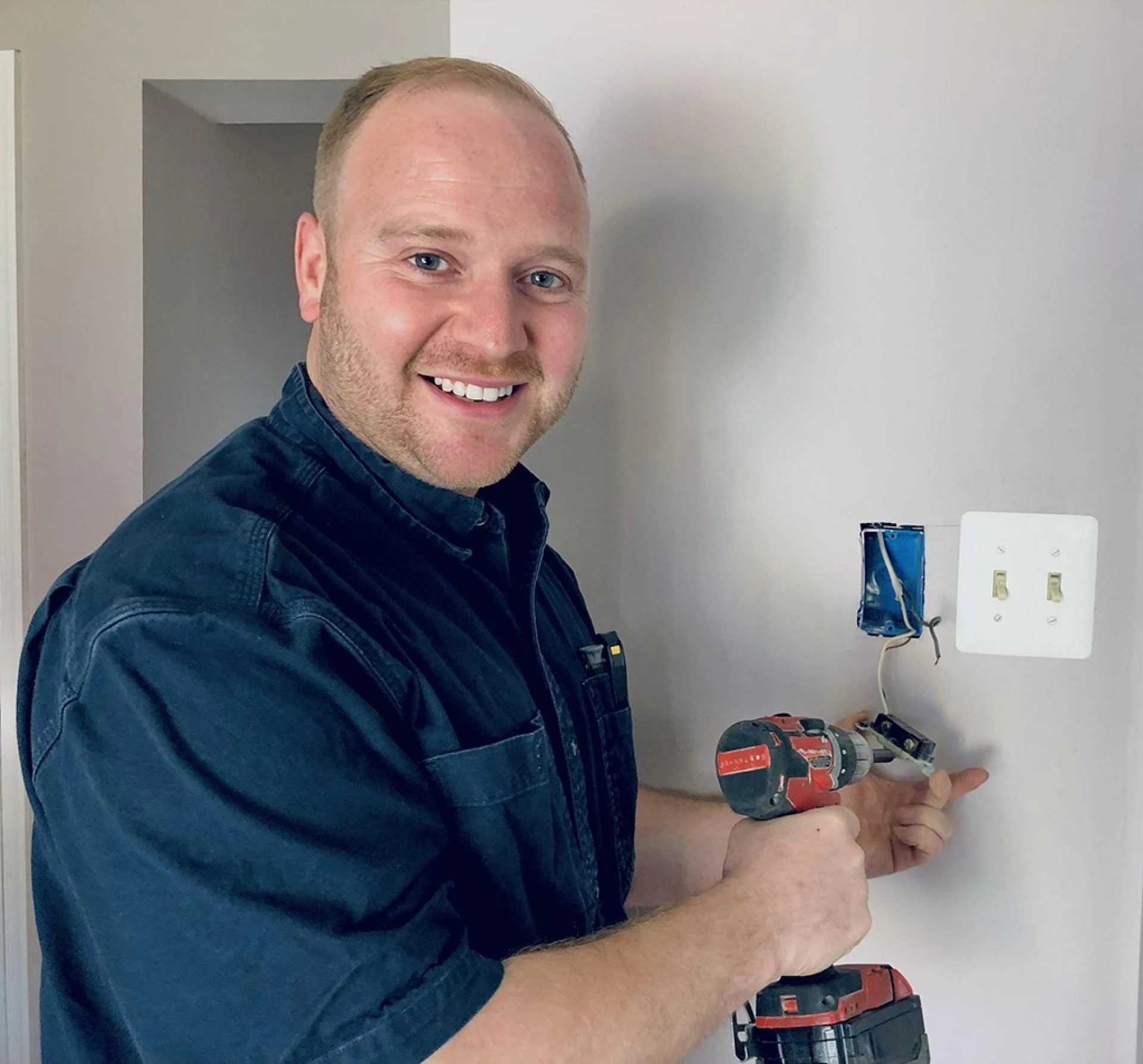
The following post contains detailed information about the leading company that specializes in offering top-notch electrical services.
Whether you're a property owner or a business operator, or a real estate investor, at some point, you will require the services of an adequately trained electrician. Electricians in Washington, DC, and Virginia (VA) ensure that electrical systems are safe, efficient, and up to the required code. Their duties may include anything from rewiring homes to carrying out complex commercial installations.
This guide will helpfully encompass why electricians are essential, their services, what qualifications to look for, the licensing requirements in DC and VA, and much more.
Why It Is Essential to Hire Professional Electricians
Electricity, as we understand it, is the soul of modern living. It energizes our houses, sustains our industry, and links us with the world. It, however, is hazardous when improperly managed. Hence, professional electricians come in. Some of the reasons that stress the need for hiring licensed electricians are:
· Safety First: Fire, electrocution, and other serious hazards. A licensed electrician in Washington DC is trained to work safely and competently within electrical systems.
· Follow Code: Electrical work is regulated by national, state, and local codes. Professionals ensure that all work is compliant with these codes.
· Insurance and Liability: Any unlicensed activity may result in insurance lapses, making you responsible for any damages caused.
· Efficiency: Experts would conduct the work efficiently, lessening the chances of future problems.
· Long-Term Cost Savings: Proper installation and maintenance can prevent costly repairs in the future.
Types of Electrical Services Offered in DC and VA
Professionals provide various services for residential, commercial, and industrial needs. Knowing the breakdown of services will help you narrow down which type of service you need.
1. Residential
Homeowners often call these experts for installations, upgrades, and troubleshooting of many types of electrical equipment.
· Electrical panel upgrades
· Wiring and rewiring
· Installation of Indoor & Outdoor Lighting
· Ceiling fan installation
· Smoke detector installation
· Outlet and switch repairs
· Home automation systems
· EV charging stations
· Electrical inspection
2. Commercial
Unlike the needs of industrial and other commercial premises, these actions include much more in some portions of power distribution and energy management.
· Lighting and power design
· Backup generator systems
· Emergency lighting
· Circuit tracing and load balancing
· Fire alarm systems
· Data and communication cabling
· Energy efficiency upgrades
· Tenant fit-outs
3. Industrial
Hence, industrial and factory sites usually require the heavy-duty design of electrical installations.
· Motor and control wiring
· High voltage installations
· Automation systems
· Machine wiring
· Maintenance contracts
· Energy audits and solutions
General Electric Problems in DC and VA
· Frequent Trip Circuit Breaker
· Flickering Lights or Dim Lights
· Dead Outlets
· Buzzing or Smelling Burn
· Old Wiring
· Power strips and extension cords overloaded
Licensing and Certification Requirements
Experts must meet educational, training, and licensing requirements in DC and VA for legal practice in electrical work. Let us look at each jurisdiction in more detail:
Washington, DC
DCRA administers electrician licensing in the DC area.
· Journeyman License: This license requires the applicant to prove four years' work experience (8,000 hours) and pass a licensing exam.
· Master Electrician License: Requires further experience and passing a more difficult examination.
· Continuing Education: To keep the license active, continuing education is required.
Virginia (VA)
The DPOR administers licensing.
· Journeyman Electrician: Must complete 8,000 hours of practical experience under a master Electrician Fairfax County VA or equivalent education/training.
· Must pass the state exam.
· Master Electrician: Must have 10,000 hours of experience and pass the master electrician exam.
· Contractor License: Required for people who operate as independent businesses or hire other electricians.
How to Choose a Qualified Person
Choosing qualified electricians can save time and money and lessen overwhelming stress. Here are some factors to look at:
License
Always ensure you hire someone with a license and carry liability and worker's compensation insurance.
Experience
Hire someone with experience with the same kind of project you are hiring them for. They'll fit those jobs under residential, commercial, or industrial work.
References and Reviews
Look for reviews online or ask for a list of references from past clients of that electrical service.
Pricing
Designate all written estimates and clearly define the scope of work.
Guarantee
Fairly reliable electricians will guarantee labor performed or match with a warranty for parts and services.
Regular Inspections
Such activities are crucial in maintaining safety and code compliance. They can expose hidden problems, which may not yet cause any visible issues. The important ones are the following:
· Fire Prevention: Aids in identifying faulty wiring before it becomes anything dangerous.
· Compliance to Code: Validating that the installations conform to current regulation standards.
· Home Value: A must for all real estate transactions.
· Energy Efficiency: Helps identify older systems and appliances draining too much energy.
Inspections should preferably be scheduled:
· Before buying or selling a property.
· After major renovations.
· If the residence is over 25 years old.
· If new appliances or equipment are being installed.
Modern Electrical Trends in DC and VA
With the ever-evolving technology, the job of electricians is also altering. Below are some of the contemporary electrical trends that have begun to occupy the attention of electricians:
· Smart Home Systems
· Solar Panel Installations
· EV Charging Stations
· Energy Efficiency Upgrades
Emergency Electrical Services
Power outages and electrical breakdowns do not wait for business hours. Fortunately, many DC and VA electricians provide 24/7 emergency service. Here are some typical emergencies:
· Loss of power to the whole home or building
· Sparks, smoke, or burning smells from outlets
· Water-damaged electrical systems
· Exposed or damaged wiring
In such cases, do not attempt to resolve the matter yourself. Call a licensed professional with the right tools and knowledge to resolve the electrical issue safely.
Conclusion
Electric works in DC and Virginia perform such functions as wiring for new light systems for homes and commercial buildings. Electric work ensures that properties are safe, efficient, and compliant with regulatory codes. Be it emergency work or big planned jobs, taking an essential step towards hiring a licensed, qualified electrician is among the first reasonable steps.
Learning about the kind of services available in your area and the licensing requirements in your area will definitely help you make better choices regarding keeping your electrical systems safe and functional for years to come. Appreciate the skill of professional electrical work; it is your safety, comfort, and peace of mind.