
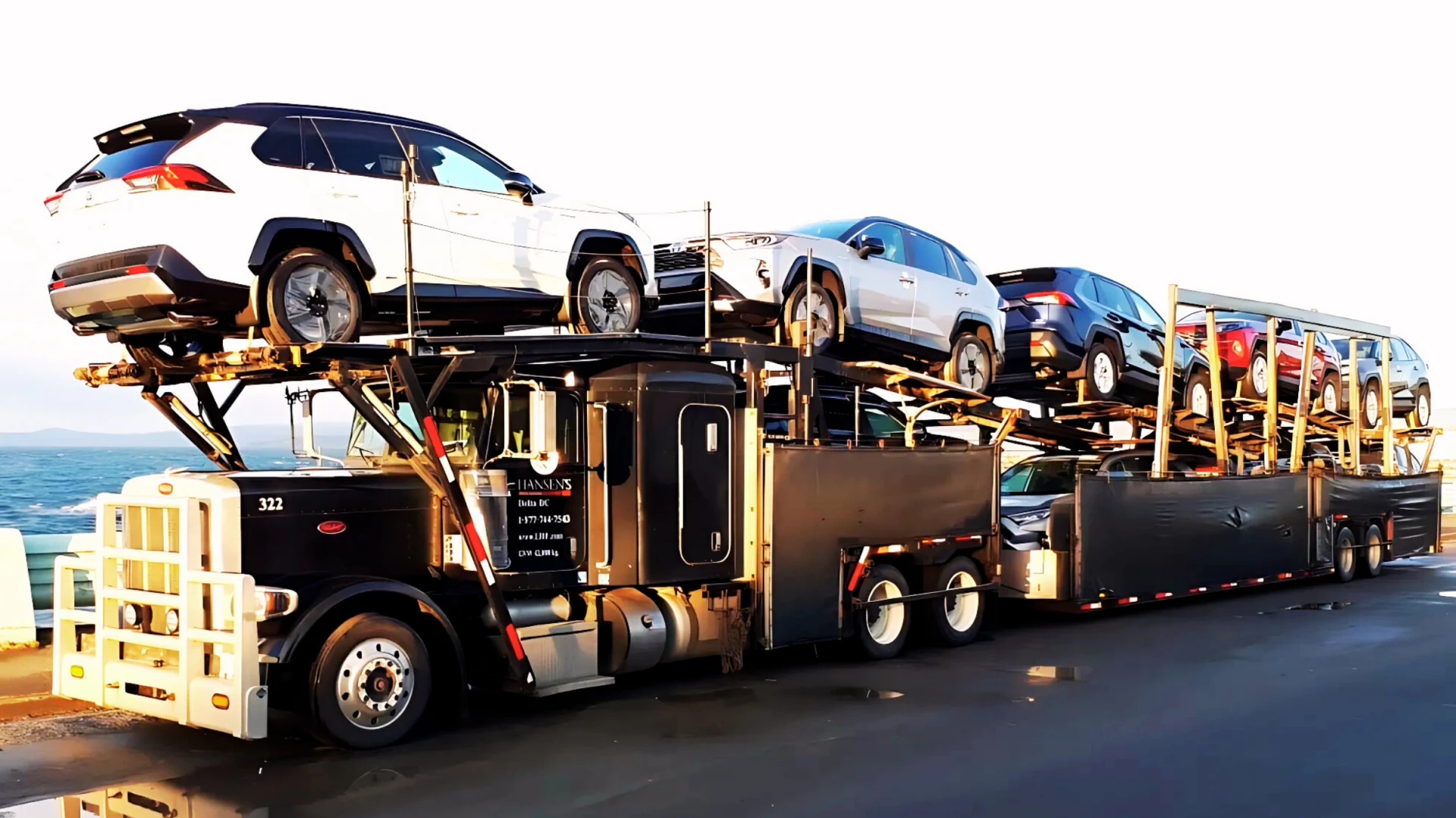
When customers book auto transport pennsylvania to ca, most of the attention goes to pricing, pickup dates, and delivery timelines. But behind every smooth shipment is a critical system many people never see: the dispatch network. This behind-the-scenes operation is what actually connects your vehicle to the right carrier, keeps routes efficient, and ensures your car moves across the country without unnecessary delays.
Understanding how dispatch networks work helps explain why timing, flexibility, and communication matter so much in long-distance auto transport. This guide breaks down the role dispatch networks play in Pennsylvania to California car shipping and why they’re essential to a successful experience in 2026.
What Is a Dispatch Network in Auto Transport?
A dispatch network is the system that matches vehicles needing transport with licensed carriers already operating along specific routes.
In simple terms, dispatch networks:
- Coordinate available carriers
- Match shipments to existing routes
- Optimize timing and logistics
- Balance pricing with carrier demand
Without dispatch networks, auto transport would be slow, inefficient, and far more expensive.
Why Dispatch Networks Matter for Pennsylvania to California Routes
Auto transport pennsylvania to ca covers a massive distance—often 2,600 to 3,000 miles depending on cities involved. Because of this, carriers plan routes carefully to avoid empty miles and wasted fuel.
Dispatch networks help by:
- Identifying carriers already heading west
- Filling available trailer space efficiently
- Reducing unnecessary detours
- Keeping transit predictable
This coordination is what makes coast-to-coast transport possible at scale.
How Dispatch Networks Match Cars to Carriers
Once a shipment is booked, it enters the dispatch system.
Here’s what happens next:
- Shipment details are posted internally
- Carriers review loads along their planned routes
- A carrier accepts the shipment that best fits timing and location
- Pickup coordination begins
This matching process is why flexibility with pickup windows often leads to faster scheduling and better pricing.
The Relationship Between Dispatch Networks and Pricing
Dispatch networks directly influence pricing.
Prices are shaped by:
- Carrier availability on the route
- Fuel costs and distance
- Seasonal demand
- How urgently a shipment needs to move
When dispatch networks have many carriers running Pennsylvania to California routes, pricing tends to stabilize. When carriers are scarce, prices can rise.
Why Quotes Are Estimates, Not Guarantees
One common misunderstanding is why quotes sometimes change.
Dispatch networks operate in real time, meaning:
- Carrier availability fluctuates daily
- Demand shifts based on season and location
- Market conditions affect carrier acceptance
This is why quotes for auto transport pennsylvania to ca are typically estimates until a carrier is assigned.
How Dispatch Networks Reduce Transit Delays
Efficient dispatching minimizes delays by:
- Grouping vehicles by route
- Avoiding unnecessary transfers
- Assigning carriers familiar with long-haul transport
A strong dispatch network keeps shipments moving steadily instead of sitting idle waiting for a carrier.
The Importance of Flexible Pickup Windows
Dispatch networks work best when customers allow flexibility.
Flexible pickup windows help by:
- Giving dispatchers more carrier options
- Allowing carriers to optimize routes
- Reducing last-minute scheduling issues
Rigid pickup requirements limit dispatch options and often slow down the process.
Dispatch Networks and Seasonal Demand
Seasonality plays a major role in long-distance shipping.
Dispatch networks adjust for:
- Summer relocation surges
- End-of-month demand
- College moves
- Snowbird travel
During peak seasons, dispatchers must balance more shipments with limited carrier space, making early booking especially important.
Why Carrier Experience Matters on Long Routes
Not all carriers are suited for coast-to-coast transport.
Dispatch networks prioritize carriers who:
- Regularly run long-haul routes
- Understand cross-country regulations
- Can manage multi-day transit efficiently
This experience helps reduce delays and improves delivery reliability.
How Dispatch Networks Handle Route Changes and Challenges
Unexpected issues can arise during transit.
Dispatch networks help manage:
- Weather-related rerouting
- Traffic congestion
- Mechanical issues
- Delivery access challenges
Because dispatchers stay in communication with carriers, they can adjust plans without disrupting the entire shipment.
Dispatch Networks vs. Direct Driving
Some customers wonder why shipping doesn’t work like driving directly from point A to point B.
Dispatch networks operate differently because:
- Carriers transport multiple vehicles
- Routes are optimized for efficiency
- Safety regulations limit driving hours
This structured approach reduces risk and keeps long-distance shipping predictable.
Why Communication Flows Through Dispatch Systems
Dispatch networks are the communication hub.
They:
- Coordinate between carriers and customers
- Relay pickup and delivery updates
- Adjust schedules when needed
This is why staying reachable after booking is so important—dispatch relies on timely communication.
Common Misconceptions About Dispatch Networks
Many people assume:
- A car is assigned instantly after booking
- Carriers are waiting idle for shipments
- Exact pickup times are always possible
In reality, dispatch networks balance many moving parts to keep everything running efficiently.
How Customers Benefit From Strong Dispatch Networks
When dispatch networks work well, customers benefit from:
- Faster carrier assignment
- More reliable timelines
- Competitive pricing
- Fewer delays
A strong dispatch system is often the difference between a smooth shipment and a stressful one.
What Customers Can Do to Help the Dispatch Process
To support efficient dispatching:
- Provide accurate vehicle details
- Offer flexible pickup windows
- Book early during peak seasons
- Stay reachable for communication
These steps make it easier for dispatch networks to do their job.
Final Thoughts
The success of auto transport pennsylvania to ca depends heavily on dispatch networks working behind the scenes. From matching shipments to the right carriers to managing long-distance routes and adjusting for real-time conditions, dispatch systems are the backbone of modern auto transport.
Understanding their role helps explain why flexibility, timing, and communication matter so much. When dispatch networks operate efficiently—and customers work with them—the result is a smoother, more predictable, and stress-free vehicle shipping experience in 2026.