Composite bonding has become a popular choice in cosmetic dentistry due to its affordability, versatility, and minimally invasive nature. It helps restore or enhance your smile by fixing imperfections like chips, gaps, or discoloration. But how does it work, and is it the right solution for you?
What is Composite Bonding?
A Simple Yet Effective Cosmetic Solution
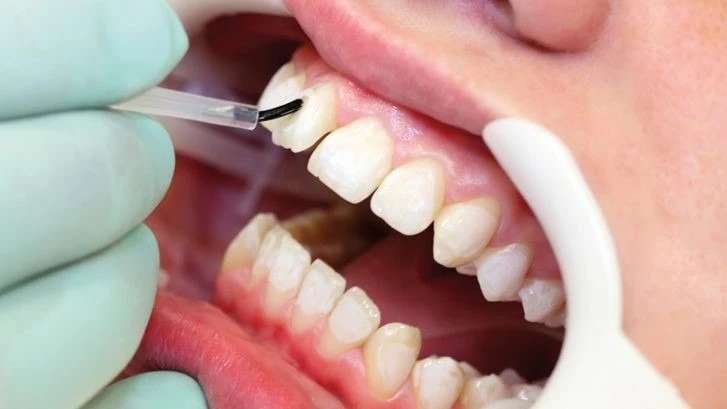
Composite bonding is a cosmetic dental procedure that involves applying a tooth-colored resin material to the surface of your teeth. The material is sculpted and hardened using a special curing light, instantly improving the tooth’s appearance.
Materials Used in Composite Bonding
- Composite Resin: A soft, moldable material that mimics the natural color of teeth.
- Bonding Agent: A dental adhesive that helps resin stick to enamel.
- Curing Light: UV or blue light used to harden the resin in seconds.
How Does the Composite Bonding Process Work?
Step-by-Step Overview
1. Initial Consultation
The dentist examines your teeth and discusses desired improvements (shape, length, or color).
2. Tooth Preparation
Little to no enamel is removed. The tooth is cleaned and lightly etched to help the resin adhere better.
3. Application of Composite Resin
The dentist applies and molds the resin onto the prepared tooth surface.
4. Curing the Resin
A curing light hardens the resin, solidifying the bond within seconds.
5. Shaping and Polishing
The final shape is sculpted and polished to match your natural teeth.
What Cosmetic Issues Can Composite Bonding Fix?
Correcting Aesthetic Imperfections
- Chipped or Cracked Teeth
- Discolored Teeth
- Gaps Between Teeth
- Misshapen Teeth
- Tooth Lengthening
Composite bonding is ideal for minor cosmetic enhancements. For more extensive corrections, veneers or crowns may be better suited.
Benefits of Composite Bonding in Cosmetic Dentistry
Why Patients Prefer It
Non-Invasive Treatment
Minimal drilling and no anesthesia in most cases.
Immediate Results
The entire process usually takes less than an hour per tooth.
Cost-Effective Option
Less expensive than veneers or crowns.
Reversible Procedure
Because there is little enamel removal, it’s often reversible.
Limitations of Composite Bonding
Things You Should Know
- Durability: Not as long-lasting as veneers or crowns (typically lasts 5–7 years).
- Stain Resistance: Can stain over time, especially from coffee, tea, or smoking.
- Not Suitable for Large Restorations: Best for small-to-moderate cosmetic fixes.
Aftercare for Composite Bonding
Tips for Longevity
Maintain Good Oral Hygiene
Brush twice a day, floss daily, and rinse with a non-alcoholic mouthwash.
Avoid Stain-Causing Foods
Limit coffee, tea, wine, and smoking to prevent discoloration.
Wear a Mouthguard if Needed
If you grind your teeth at night, use a mouthguard to protect the bonding.
Regular Dental Visits
Professional cleaning and monitoring ensure the bonding lasts longer.
FAQs About Composite Bonding in Cosmetic Dentistry
Q1: Is composite bonding painful?
A: No, the procedure is usually painless and doesn’t require anesthesia unless combined with other treatments.
Q2: How long does composite bonding last?
A: With proper care, it can last between 5–7 years before needing touch-ups or replacement.
Q3: Can composite bonding be whitened?
A: No. Unlike natural teeth, composite resin does not respond to whitening. It’s best to whiten your teeth before bonding if desired.
Q4: Is bonding better than veneers?
A: Bonding is more affordable and less invasive, but veneers are more durable and stain-resistant. The right option depends on your needs and budget.
Q5: Can I eat normally after bonding?
A: Yes, but avoid hard or sticky foods in the first 24–48 hours, and maintain good oral hygiene to protect the resin.
Conclusion: Is Composite Bonding Right for You?
Composite bonding is an excellent solution for those seeking a fast, affordable, and minimally invasive way to enhance their smile. Whether fixing minor chips or filling small gaps, it delivers noticeable improvements without the need for complex procedures. If you’re looking to boost your confidence with a natural-looking smile, composite bonding could be the perfect option.
For more details: click here