Electric bikes, or e-bikes, have rapidly evolved from niche gadgets to mainstream transportation solutions, transforming urban commuting and outdoor adventures alike. While their popularity is driven by convenience, speed, and eco-friendliness, the real game-changer lies in AI (Artificial Intelligence) and data integration. Modern e-bikes leverage smart technology to enhance performance, safety, and rider experience, making every journey smarter and more efficient.
AI and data are revolutionizing how e-bikes operate, from adaptive motor assistance to predictive maintenance. By collecting real-time ride data, analyzing terrain, and learning user behavior, e-bikes can now provide a seamless, personalized experience that was unimaginable just a few years ago.
How AI Enhances E-Bike Performance
One of the primary ways AI impacts e-bikes is by optimizing motor output. Traditional e-bikes provide fixed pedal-assist levels, which can be inefficient or uncomfortable on varying terrain. AI-enabled e-bikes continuously analyze data from sensors, including rider pedaling, speed, incline, and weight distribution, to adjust motor assistance dynamically.
This results in smoother acceleration, less battery drain, and more efficient power use. Riders experience a natural and responsive ride, regardless of whether they are navigating steep hills, crowded streets, or off-road trails.
Additionally, AI improves energy efficiency by predicting the rider’s needs. For example, if the system detects frequent stops or city traffic patterns, it can adjust power delivery to maximize battery life and overall range.
Data-Driven Insights for Riders
Modern e-bikes collect vast amounts of data during each ride. This data includes metrics like speed, distance, elevation, heart rate (if connected to a wearable), and battery performance. By analyzing this data, riders gain actionable insights that help improve their riding efficiency and safety.
Some e-bike apps also provide route suggestions based on terrain difficulty, traffic, and historical performance data. These predictive capabilities make commuting smarter and recreational rides more enjoyable. For fitness enthusiasts, data analytics also allow tracking of calories burned, distance covered, and overall progress, turning an e-bike into a powerful health companion.
Smart Features and AI Integration
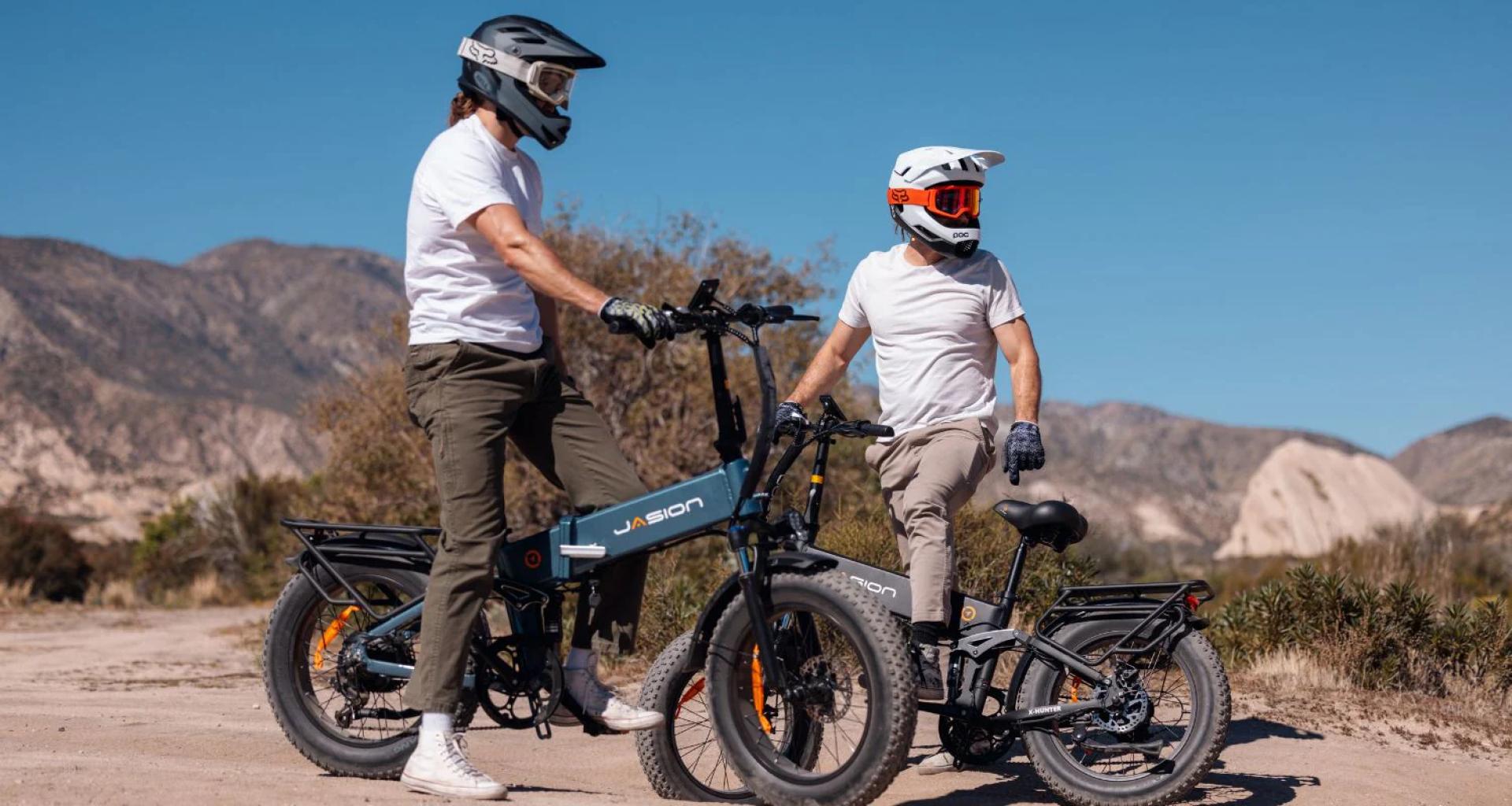
Leading e-bike brands, such as Jasion Bikes, integrate AI-driven features that elevate the overall riding experience. For shoppers looking for deals, Jasion Bike Voucher Codes can make these top-quality rides more affordable, whether you’re eyeing a powerful folding e-bike for city travel or a rugged electric bike for weekend trails.
AI integration also enables features like:
- Smart cruise control: Maintains consistent speed on long rides
- Predictive maintenance alerts: Notifies riders when components need servicing
- Anti-theft detection: Monitors bike location and sends alerts if tampered with
These smart systems work seamlessly in the background, allowing riders to focus solely on enjoying their journey.
Personalization Through AI Learning
AI doesn’t just make e-bikes smarter it makes them adaptive to the individual rider. By learning riding habits over time, e-bikes can adjust assistance levels, suspension settings, and even regenerative braking according to user preferences.
For example, a commuter who prefers faster acceleration in the morning can experience higher pedal-assist during peak hours, while a weekend trail rider might prioritize battery conservation and smoother handling. This personalization enhances comfort, efficiency, and overall satisfaction.
Safety Enhancements Through Data
Safety is another critical area where AI and data play a transformative role. Modern e-bikes can analyze surrounding conditions using onboard sensors, alerting riders to obstacles, steep descents, or hazardous terrain. Some advanced models also integrate with smartphones to provide collision warnings or adaptive lighting systems for better visibility.
Data-driven systems also help prevent mechanical failures by predicting component wear and alerting riders before problems arise. This proactive approach reduces accidents, minimizes repair costs, and ensures that e-bikes remain reliable over time.
AI-Powered Route Optimization
Navigating urban environments efficiently is a major concern for e-bike riders. AI-powered e-bikes can leverage real-time traffic data, GPS, and historical ride patterns to suggest optimal routes. By factoring in elevation, distance, and road conditions, these smart systems reduce travel time while minimizing battery usage.
For recreational riders, route optimization enhances exploration by suggesting scenic paths, avoiding congested roads, and highlighting points of interest. This blend of convenience and adventure makes modern e-bikes suitable for both daily commuting and weekend getaways.
Future Trends in AI and E-Bikes
The future of e-bikes is tightly coupled with AI advancements and data analytics. Upcoming trends include:
- Integration with smart city infrastructure: E-bikes will communicate with traffic lights, sensors, and public transport systems
- Advanced battery management: Predictive AI will further extend battery lifespan and range
- Enhanced rider monitoring: Real-time health and performance tracking for safer, healthier rides
These trends indicate that e-bikes are evolving into intelligent transportation devices, capable of responding dynamically to both riders and the environment.
Environmental Impact and Sustainability
AI-enhanced e-bikes contribute to sustainability by making electric mobility more efficient. Optimized power usage, predictive battery management, and route optimization reduce energy consumption. Compared to traditional vehicles, AI-powered e-bikes significantly cut carbon emissions while promoting eco-friendly commuting.
By encouraging more people to choose e-bikes over cars for short-to-medium trips, AI-driven electric bikes support urban sustainability initiatives, cleaner air, and greener cities.
Choosing the Right AI-Powered E-Bike
When selecting an AI-powered e-bike, consider:
- Battery capacity and motor efficiency
- AI features: Pedal-assist, predictive maintenance, route optimization
- Durability and build quality
- Connectivity: Smartphone apps for ride tracking and customization
Brands like Jasion Bikes offer a variety of high-quality options that suit urban commuters, adventure riders, and beginners alike.
Final Thoughts
AI and data have revolutionized the e-bike industry, making rides smarter, safer, and more enjoyable. From adaptive motor assistance to predictive maintenance and route optimization, AI ensures that every journey is optimized for efficiency, comfort, and sustainability.
Investing in an AI-powered e-bike isn’t just about convenience, it's about embracing a smarter, greener, and more personalized way to travel. With brands like Jasion Bikes offering top-quality options, enhanced by Jasion Bike Voucher Codes, riders can enjoy cutting-edge technology without breaking the bank.