
Introduction: Welcome to the Surreal World of AI Imagination
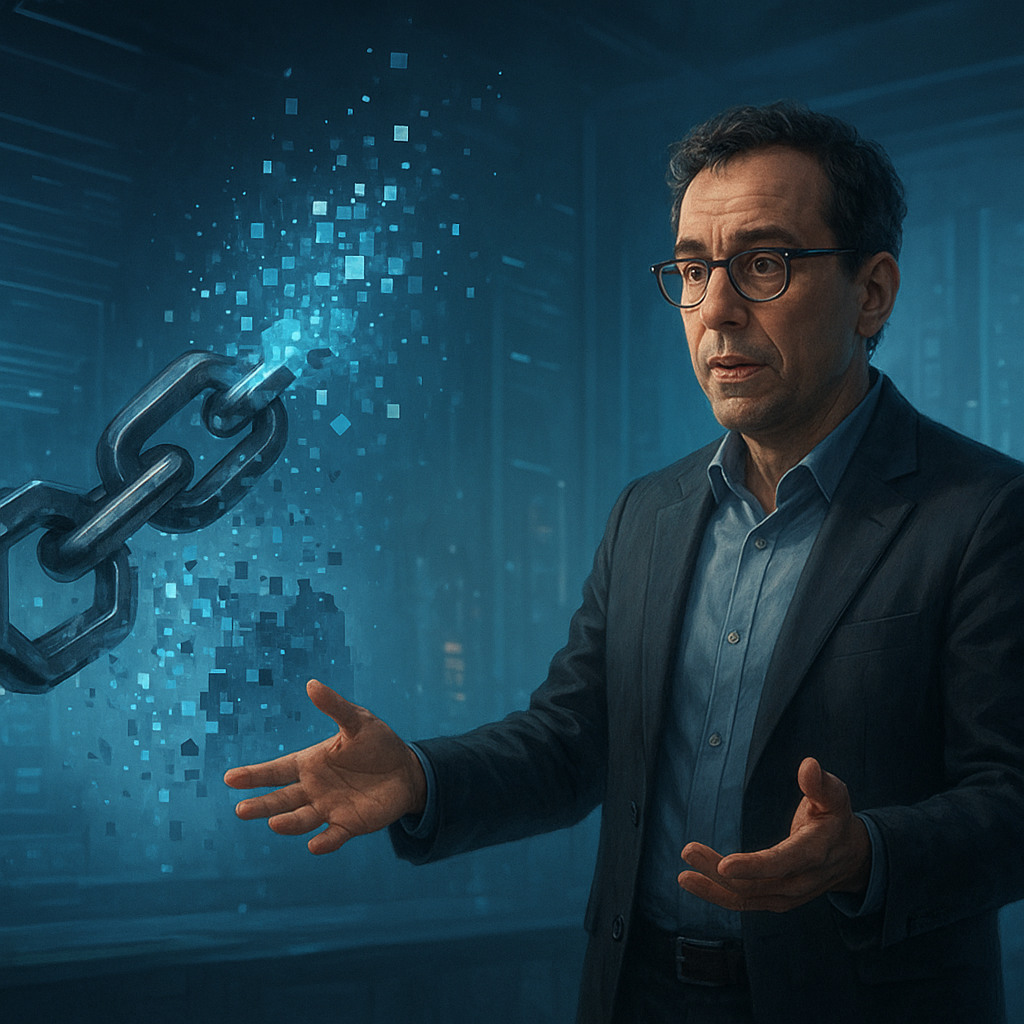
Artificial intelligence has made extraordinary strides—from writing poems to composing music and even designing homes. But one of the most visually intriguing outcomes of this evolution is the emergence of weird AI images. These dreamlike, uncanny visuals—often whimsical, otherworldly, or downright absurd—are captivating not just for their aesthetics, but also for what they reveal about machine logic and creativity.
If you're looking to explore or create your own AI visuals, tools like CLAILA offer intuitive and accessible ways to generate AI images free of charge. Dive into the surreal, and let’s unpack what these bizarre visuals say about the machine mind.
What Exactly Are Weird AI Images?
Weird AI images are visuals generated by machine learning algorithms, often using models like DALL·E, Midjourney, or Stable Diffusion. These images can range from slightly offbeat to downright eerie. Think of a cat with five legs sipping coffee on Mars, or a melting violin playing itself underwater.
These oddities stem from:
- Misinterpretations of prompts: The AI may take a creative leap when faced with vague or abstract instructions.
- Training data limitations: Gaps in the data cause the AI to “improvise” in ways that defy logic.
- Style blending: AI often fuses multiple visual styles, resulting in dreamlike or surreal compositions.
For example, researchers at MIT’s Computer Science and Artificial Intelligence Lab found that even small tweaks in prompt phrasing can yield vastly different and often weird AI images, highlighting how the model "thinks" visually (MIT CSAIL).
The Intersection of Error and Art
While initially dismissed as glitches or failures, these weird visuals are now being re-evaluated as a new form of machine-driven creativity.
Why Do They Matter?
- They show how AI processes information: You can often reverse-engineer the image to see how the model interpreted the input prompt.
- They challenge our understanding of creativity: What once required human intuition can now emerge from statistical patterns and data.
- They provide artistic inspiration: Artists and designers are using these bizarre images to spark original ideas.
A 2023 paper from the University of Amsterdam titled “On Machine Imagination: A Cognitive Framework” suggested that these AI hallucinations could resemble aspects of human imagination, specifically in dreaming and surrealism (UvA AI Research). This puts weird outputs not in the error category, but rather in a space of imaginative exploration.
Are These “Mistakes” Actually Creative Breakthroughs?
There's a growing argument in the AI community that these strange outputs may represent a kind of emergent creativity.
Unlike rigid logic-based programming, generative AI—especially diffusion models—works through probability and pattern matching. It doesn't understand the world but simulates it based on existing data. When it gets something “wrong,” it sometimes lands on something astonishing.
For example, a prompt like “a snail surfing a skyscraper made of spaghetti” might not exist in any training dataset. Yet the model still tries to render it, and the result can be both baffling and brilliant.
In fact, CLAILA provides a playground for these kinds of explorations by letting users generate AI images free with custom prompts. This is one way users are beginning to co-create with algorithms instead of just using them as tools.
What Weird AI Images Reveal About Data Bias and Human Perception
AI models are trained on massive datasets scraped from the internet, including stock images, art, and social media. So what happens when those datasets contain inconsistencies, stereotypes, or simply lack coverage?
Weird outputs can point to:
- Biases in training data (e.g., gender or cultural misrepresentations)
- Overfitting to visual trends (e.g., glossy corporate aesthetics or meme styles)
- Unexpected semantic connections (e.g., associating "nurse" with cartoons or fantasy elements)
A notable 2024 study by Stanford University’s Human-Centered AI Institute found that these strange outputs can actually help identify and correct bias in training datasets (Stanford HAI). This makes weird AI images not just curiosities, but valuable tools for AI ethics and model auditing.
The Role of Prompt Engineering
One major factor behind the generation of these images is prompt engineering—the art and science of crafting inputs to guide AI outputs.
Tips for experimenting:
- Use contradictory or surreal phrases (e.g., “a rainbow singing the blues”)
- Mix visual styles (e.g., “Renaissance cat astronaut”)
- Test emotional tones (e.g., “a lonely toaster at dusk”)
Even with precise prompts, though, the AI’s interpretation can diverge wildly. That’s part of the fun—and part of the insight. Tools like CLAILA allow you to experiment with prompts easily, offering a wide range of AI images free for exploration, no account required.
Informational Resources Worth Exploring
To go deeper into this space, here are a few excellent references:
"AI and the Future of Art" – Harvard Art Review
Explores how machine-generated art is reshaping traditional artistic boundaries.
harvardartreview.com
"A Short History of Generative Visual AI" – Towards Data Science
Offers a chronological overview of how image-generating models have evolved.
towardsdatascience.com
“Weirdness as a Metric” – AI Weirdness Blog by Janelle Shane
A deep dive into the funny, strange, and unexpected outputs from neural networks.
aiweirdness.com
“Multimodal AI and Creativity” – NVIDIA Research
Discusses the combination of text, image, and audio generation in artistic AI models. research.nvidia.com
CLAILA's free AI tools for images, articles, and more
A user-friendly platform to try generating weird (or not-so-weird) images with AI.
FAQs
Q1. Why are AI images sometimes so weird?
AI images become weird when the model encounters abstract or conflicting prompts, or when it extrapolates from incomplete or noisy training data. This often leads to creative, dreamlike results that humans interpret as “weird.”
Q2. Are weird AI images useful?
Absolutely. They’re being used in art, advertising, game design, and even psychology research to explore human perception and algorithmic creativity.
Q3. Where can I generate AI images for free?
Platforms like CLAILA offer users the ability to create AI images free using intuitive templates and prompts. No technical background required.
Q4. Can weird AI images be used commercially?
Yes, but it depends on the licensing terms of the platform and whether the image contains copyrighted data. Always check the usage rights provided by the tool you’re using.
Q5. Do weird AI images mean the AI is broken?
Not at all. These images often reflect the AI working as intended—synthesizing concepts based on pattern recognition. The “weirdness” is usually a feature, not a bug.
Conclusion: From Weirdness to Wonder
In a world where automation and creativity often seem at odds, weird AI images offer a compelling counterpoint. They show us that machines can surprise us—not just with logic and efficiency, but with whimsy and imagination. These visual oddities aren’t just errors; they’re glimpses into the alien mind of artificial intelligence.
Want to explore the quirky, the strange, and the wildly imaginative side of AI? Try generating your own surreal visuals with tools like CLAILA, where you can create AI images free and uncover just how creative machines can be.
CTA
✨ Ready to explore your imagination with AI? Start generating surreal visuals with CLAILA today — it's free, intuitive, and inspiring: www.claila.com