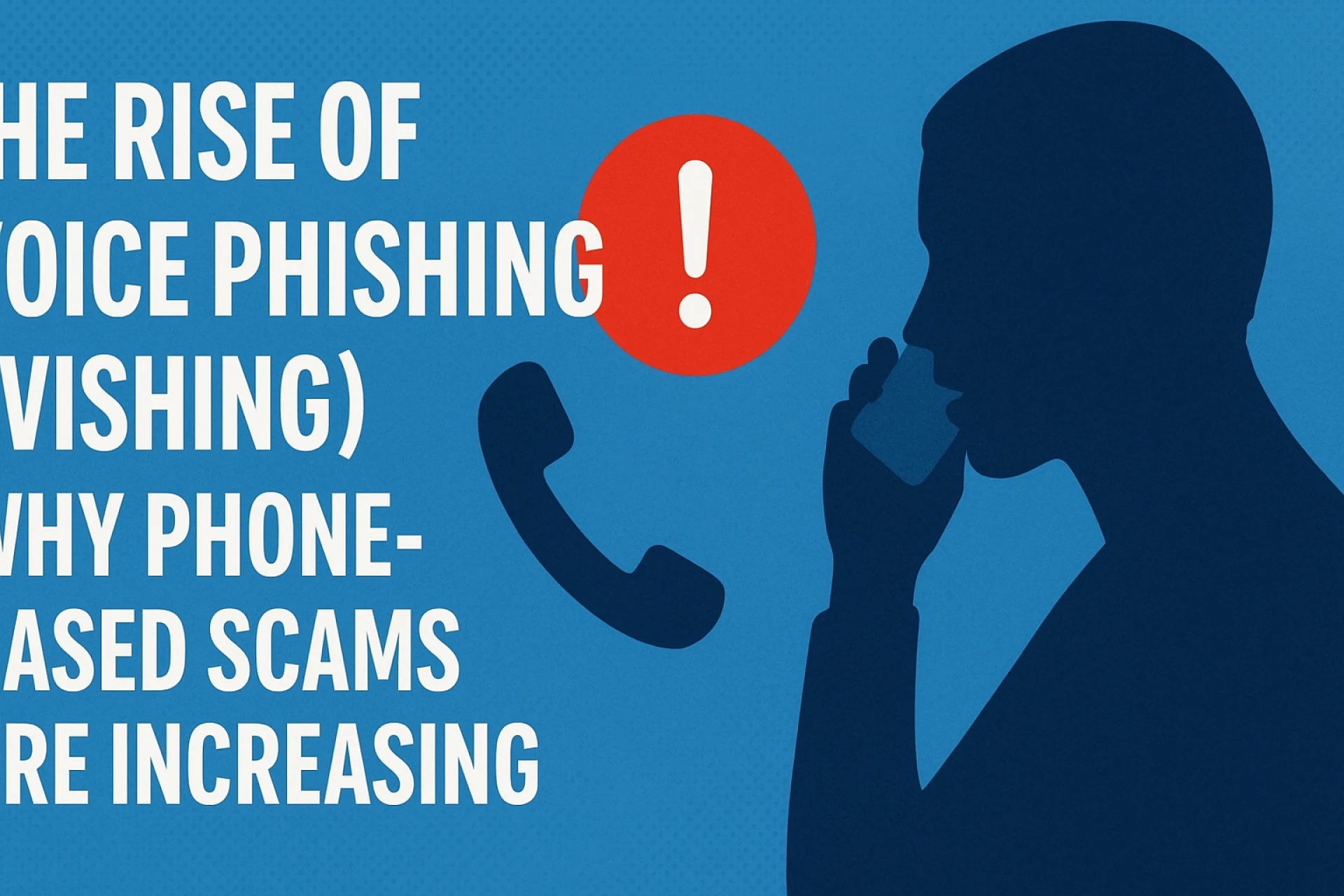
As digital communication evolves, cybercriminals are shifting their tactics to exploit the most trusted channel of all the human voice. Voice phishing, commonly known as vishing, has rapidly become one of the fastest-growing cyber threats worldwide. Unlike email-based phishing, vishing relies on phone calls to manipulate victims into revealing sensitive information, making it harder to detect and easier to fall for.
What Is Vishing and Why Is It So Effective?
Vishing involves attackers impersonating trusted entities such as banks, government agencies, tech support teams, or even company executives. By leveraging urgency, authority, or fear, scammers pressure victims into sharing credentials, one-time passwords, financial details, or approving fraudulent transactions.
What makes vishing especially dangerous is its personal and immediate nature. A live conversation removes the visual cues that might otherwise signal fraud, allowing attackers to adapt their script in real time based on the victim’s responses.
Why Phone-Based Scams Are Increasing
Several factors have contributed to the sharp rise in vishing attacks:
1. Increased Remote Work
With more employees working remotely, phone-based communication has become a primary channel for business operations. Attackers exploit this reliance to impersonate colleagues, vendors, or IT teams.
2. Caller ID Spoofing
Modern scammers can manipulate caller ID information to make calls appear as if they’re coming from legitimate organizations. This false sense of authenticity significantly increases success rates.
3. Automation and AI
Cybercriminals now use AI-driven voice synthesis and automated calling systems to scale attacks quickly. These technologies allow scammers to target thousands of victims with minimal effort.
4. Growing Trust in Voice Channels
While people have become cautious of suspicious emails and messages, phone calls are still perceived as more trustworthy, a misconception attackers eagerly exploit.
The Technology Behind the Threat
Many vishing campaigns exploit weaknesses in internet-based calling systems. Poorly secured communication infrastructures can expose organizations to impersonation and interception risks. In some cases, a single VoIP Security Vulnerability can enable attackers to spoof calls, reroute traffic, or listen in on conversations without detection.
This technical gap, combined with human psychology, creates the perfect environment for large-scale voice-based fraud.
Common Vishing Scenarios to Watch Out For
- Calls claiming suspicious activity on bank or credit card accounts
- Fake tax or legal threats demanding immediate payment
- Impersonated IT support asking for login details
- Executive impersonation requesting urgent fund transfers
- Delivery or subscription-related scams requesting verification
In many cases, attackers rely on urgency and fear to prevent victims from questioning the legitimacy of the call.
How Individuals and Businesses Can Protect Themselves
Defending against vishing requires both awareness and technical safeguards:
- Verify Before You Trust: Always confirm unexpected calls through official channels.
- Limit Information Sharing: Legitimate organizations rarely ask for sensitive details over the phone.
- Train Employees: Regular security awareness training helps staff recognize social engineering tactics.
- Secure Communication Systems: Implement authentication, encryption, and monitoring for business call infrastructure.
- Use Call Analytics: Detect unusual calling patterns that may signal fraudulent activity.
Conclusion
The rise of vishing highlights a critical shift in cybercrime, attackers are targeting human trust as much as technology. As phone-based scams become more sophisticated and widespread, both individuals and organizations must stay vigilant.
Understanding how these scams work and strengthening communication security are essential steps toward staying protected. In an age where a single phone call can lead to devastating consequences, awareness is your first line of defense.