Stone has always been seen as a premium surface. It adds texture along with presence. But stone is also heavy, expensive, and slow to work with. Many homes and offices avoid stone due to installation time or long-term care.
Decorative laminates that are intended to transfer stone texture have taken that gap. These laminates are realistic and quick to apply. They are applied in panels, counters, shelves and shutters.
The idea behind the popularity of stone-texture laminates in 2026:
Individuals desire neutral surfaces that are detailed. Stone finish is not distracting and it is calm. It is efficient in the living, dining, and mixed-use environments. Stone is hard to use completely.
Textured laminates give similar feel without carrying weight. That is why more architects now use these panels for vertical and horizontal surfaces.
Where decorative laminates with stone texture are being applied:
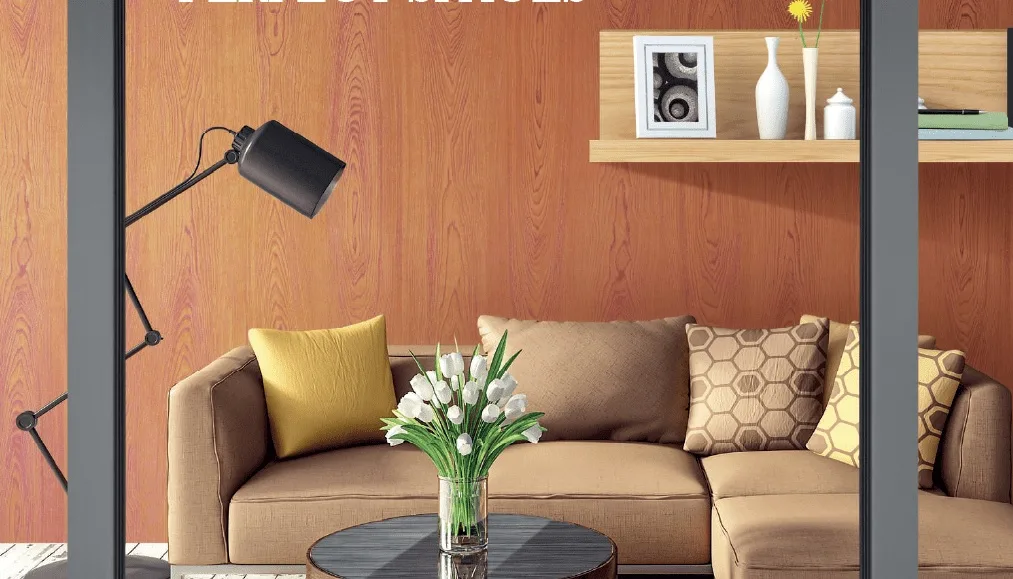
Stone laminates are used on wardrobe shutters, side tables, open racks, and TV panels. These areas require soft tone and lasting finish. The texture brings quiet structure.
Textured laminates are also placed inside office zones, studio walls, and meeting cabins. These spaces need less gloss and more grounding. That is where the stone
finish works better than plain colours.
Key reasons why textured laminates work well in compact spaces:
• Textured laminates carry tone without making the room look heavy.
• Decorative laminates support polish-free surface across daily cleaning.
• Stone-finish sheets are easy to cut using regular board tools.
• The panels hold tone under indoor light without fading.
• The sheet stays smooth without chipping at the corners.
How real stone and laminate textures compare in interior use:
Stone slabs give depth but also carry bulk. Decorative laminates are lighter. That helps in cabinets, shutters, and floating racks. Real stone may need polish. Laminates do not.
Textured laminates carry raised grain. That makes them feel more natural during touch. They also clean faster and need no sealing across time.
Why stone-texture works across both commercial and home spaces:
The finish supports lighting contrast. Stone tone reflects less. That improves photo backdrops, screen clarity, and mood lighting. These points matter in offices and living areas that carry mixed-use tasks.
Decorative laminates are also used to connect multiple rooms with one finish. Stone texture runs across doors, panels, and backdrops without looking forced.
Where designers use stone-texture laminates in real projects:
In homes, the finish appears on foyer walls, media units, dining ledges, and study shelves. In workspaces, it is used on reception counters, display racks, and seating zones.
Textured laminates can be paired with wood, glass, or metal. They stay neutral while allowing stronger elements to stand out.
Why finish type matters more than surface shine:
Stone finish is mostly matte. That suits modern needs. Gloss creates glare. It also shows scratches faster. Matte textures hide dust better.
Decorative laminates with stone tone are now made in multiple base shades. These include warm grey, ash white, sand beige, and slate brown. That gives more freedom during planning.
How laminate sheets are easier to maintain than natural stone:
Stone chips at corners. It also absorbs oils and shows patch marks over time. Laminates avoid these issues. The sheet stays clean with dry or damp cloth.
Textured laminates do not need polish. The finish stays stable across indoor temperature changes. That makes them a better fit in small apartments or rental spaces.
What makes 2026 different for decorative laminates:
Earlier, most decorative laminates followed wood grain. That limited surface variation. Stone-texture expanded this field. It gave designers a new visual layer to work with.
Now, furniture brands are also using textured laminates in readymade products. These include study desks, bedside tables, and wall-mounted storage. That makes the finish more accessible across budgets.
Conclusion:
Textured laminates shaped around stone finish are rising in use because they offer balance. Decorative laminates with raised grain give material feel without stone weight. These panels support fast fabrication and low care. The finish looks calm without looking plain. That is why 2026 marks a shift where textured laminates take centre space across homes and work areas alike.